Good News · 07/15/2026, 08:00 PM
Impressive Increase in Humpback Whale Population in Brazil Boosts Sustainable Ecotourism
The humpback whale population in Brazil's Guanabara Bay has grown 27-fold since the end of whaling, leading to a boom in whale watching tourism.
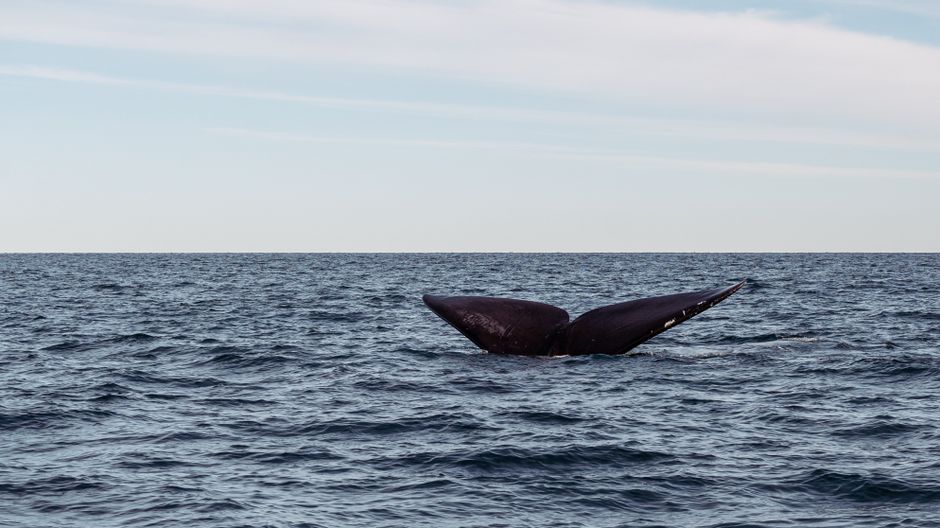 Bild: Ema Reynares / Pexels · Pexels · Pexels Lizenz: kostenlos nutzbar, Attribution freiwilligAnzeige / Affiliate möglich. Für dich entstehen keine Mehrkosten.
As Good News Network reports (https://www.goodnewsnetwork.org/humpback-whale-watching-surges-in-brazil-where-population-has-grown-27-fold-since-whaling-ended/), the population of humpback whales in Guanabara Bay, Brazil, has dramatically increased since the end of commercial whaling. From about 2,000 animals in 1986, the number rose to around 35,000 in 2026 – an impressive 27-fold growth.
A Success for Conservation
The drastic increase in the humpback whale population is a clear sign of the success of international protection measures against commercial whaling, which has been banned in many parts of the world for decades. The humpback whales, once severely endangered, now benefit from stricter protection laws and improved environmental conditions. This recovery demonstrates how dedicated conservation efforts can pay off in the long term.
Importance for Ecotourism in Brazil
With the growing number of humpback whales, interest in whale watching tourism in Guanabara Bay is also rising. Every year, more visitors take boat tours to observe these majestic marine mammals in their natural habitat. This development not only raises awareness for marine wildlife protection but also contributes to the economic development of the region. Local communities benefit from revenues generated by sustainable tourism, which creates jobs while prioritizing the protection of the animals. The demand for environmentally friendly tourism offerings is increasing, which in turn provides incentives to preserve natural habitats.
Global Perspective and Outlook
The recovery of the humpback whale population in Brazil is part of a global trend showing that endangered species can recover when humans and policymakers work together. Worldwide sightings of humpback whales are increasing, offering scientists new opportunities to study these fascinating animals. For the future, it is important to maintain protection measures and manage whale watching tourism responsibly to avoid disturbing the animals. The combination of conservation and sustainable tourism can serve as a model for other regions facing similar challenges.
Why It Matters
The success in protecting humpback whales shows that environmental policies and societal engagement can bring about positive change. The reestablishment of these marine mammals not only strengthens biodiversity but also opens economic opportunities through sustainable tourism. This is an encouraging example of how humans and nature can benefit in harmony.
Warum das wichtig ist
The strong recovery of the humpback whale population in Brazil is evidence of successful conservation efforts and shows how sustainable ecotourism creates economic opportunities while protecting the environment.