Good News · 07/16/2026, 08:02 PM
Japanese Engineers Support India’s Modernization of Railway Network with First High-Speed Train
India is on the verge of launching its first high-speed train, elevating the country’s mobility to a new level with modern Japanese technology.
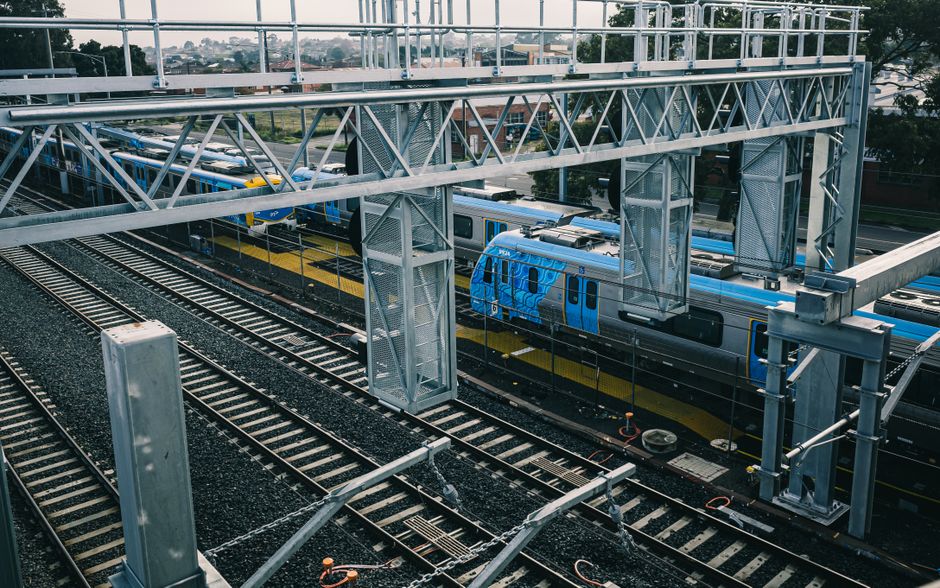 Bild: Sonny Sixteen / Pexels · Pexels · Pexels Lizenz: kostenlos nutzbar, Attribution freiwilligAnzeige / Affiliate möglich. Für dich entstehen keine Mehrkosten.
As Good News Network reports (https://www.goodnewsnetwork.org/japanese-engineering-helping-india-modernize-massive-railway-system-starting-with-her-first-bullet-train/), India is facing a significant advancement in its transportation infrastructure: the first high-speed train, often referred to as the “Bullet Train,” is set to gradually begin regular passenger service starting August 15, 2027. This project is a milestone for the world’s largest and most heavily used railway system.
Collaboration with Japanese Engineering
The development of the high-speed train in India has been significantly supported by Japanese engineers. Japan brings its long-standing experience with Shinkansen trains, which are regarded as models of safety, punctuality, and efficiency. This cooperation enables India not only to create a new train connection but also to integrate technical know-how and modern standards into the existing railway network.
Connection Between Mumbai and Ahmedabad
The first high-speed route will connect the financial metropolis Mumbai with Ahmedabad. This connection is particularly important as it links two economically significant cities, thereby significantly accelerating passenger and freight traffic. The travel time between the two cities will be considerably shortened by the Bullet Train, benefiting commuters and business travelers.
Importance for Indian Infrastructure
India’s railway network is the largest in the world and indispensable for millions of people daily. Nevertheless, many routes are outdated and overloaded. The introduction of the high-speed train marks an important step toward modernization and capacity expansion. Additionally, the project promotes technology transfer and creates jobs in various sectors, from construction to maintenance.
Sustainability and Future Perspectives
Alongside speed and efficiency, sustainability is also a focus. High-speed trains are considered a more environmentally friendly alternative to airplanes and road traffic, as they produce fewer CO2 emissions per passenger kilometer. India’s investment in this technology thus aligns with global efforts toward climate protection and sustainable mobility.
Why It Matters
The modernization of the Indian railway network through the introduction of the Bullet Train is a significant advancement for mobility in one of the world’s most populous countries. It demonstrates how international cooperation can drive technological innovations that improve the lives of millions. Furthermore, India is setting a precedent for sustainable infrastructure development and economic dynamism.
Outlook
While regular operation is planned for August 2027, the implementation will continue to be closely monitored. If the launch proceeds as scheduled, it could pave the way for further high-speed routes in India and lead the country into a new era of travel.
Sources: - Good News Network: Japanese Engineers Help Modernize India’s Massive Railway, Launching Her First Bullet Train (https://www.goodnewsnetwork.org/japanese-engineering-helping-india-modernize-massive-railway-system-starting-with-her-first-bullet-train/)
Warum das wichtig ist
The introduction of India’s first high-speed train is a significant step toward modernizing the world’s largest railway network. It improves mobility, promotes sustainable transport solutions, and strengthens the economic connection between key cities.