As Good News Network reports (https://www.goodnewsnetwork.org/maine-counts-over-20-million-river-herring-during-annual-run-the-highest-in-decades/), the populations of river herrings in Maine have remarkably recovered. During this year’s annual run, more than 20 million river herrings were counted – the highest number in decades. This positive development is primarily due to the removal of several large dams that previously blocked the fish from reaching their spawning grounds.
Recovery of River Herrings in Maine Reaches Record Levels After Dam Removal
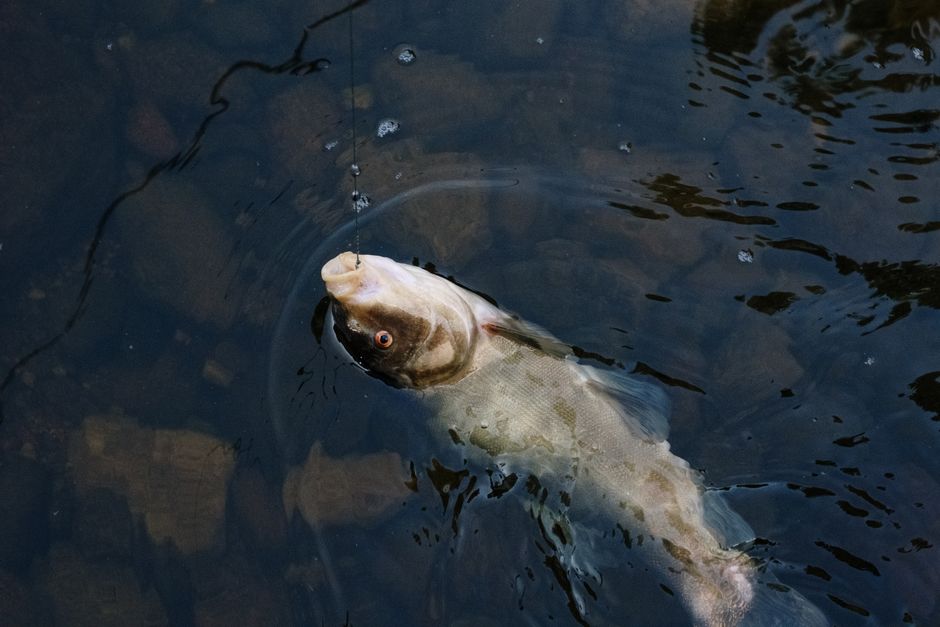 Bild: cottonbro studio / Pexels · Pexels · Pexels Lizenz: kostenlos nutzbar, Attribution freiwillig
Especially on the Penobscot River, one of the most important rivers in Maine, two large dams were removed. This measure has made the river accessible again for the river herrings and is considered one of the most significant environmental successes in the region. The river herrings, also called alewives, are an important fish species that once played a significant role in local fisheries, although their catch was banned until 2012 to protect the populations. The removal of the dams has not only helped the river herrings but also strengthened the entire river ecosystem. The fish contribute to nutrient distribution through their migrations, thereby supporting other animal species and water quality.
Importance for Environment and Community
The return of the river herrings has far-reaching positive effects. For the local population, this means not only a return to traditional fishing methods but also a strengthening of biodiversity and natural resources. The river herrings are also an important food source for numerous predatory fish, birds, and other wildlife. Furthermore, this example shows how targeted environmental protection measures and restoration projects can be successful when implemented consistently. Restoring natural migration routes for fish is a model that could also be applied in other regions to protect endangered fish species and stabilize ecosystems.
Outlook
Authorities and conservation organizations in Maine plan to implement further measures to improve river ecosystems. The successful reestablishment of river herrings motivates further investments in the protection and restoration of water bodies. In the long term, this could also have positive economic effects for the region, for example through sustainable fisheries and ecotourism. This success story shows that environmental protection and economic interests can go hand in hand when the focus is on sustainable solutions.
Warum das wichtig ist
The record number of river herrings in Maine is a significant sign of the successful restoration of river ecosystems through dam removal. This strengthens biodiversity, supports local communities, and demonstrates how targeted environmental protection measures can achieve positive ecological and economic effects.