Hardware · 07/07/2026, 08:36 PM
Chinese Memory Manufacturer Longsys Reports Record Profit Thanks to AI-Driven Demand
The Chinese memory and storage manufacturer Longsys forecasts a profit of nearly 1.5 billion US dollars for the first half of 2026 – an increase of over 60,000 percent compared to the previous year.
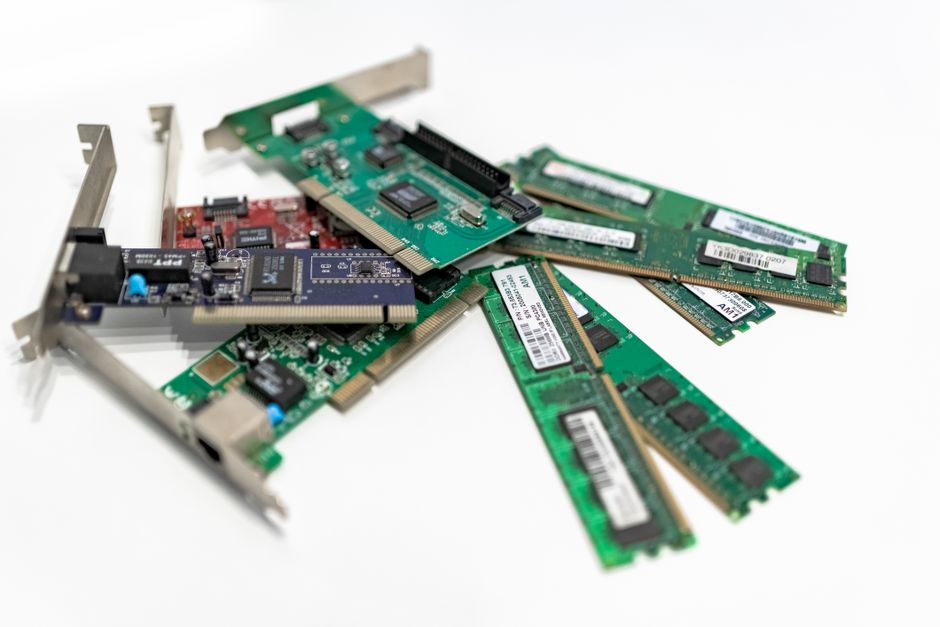 Bild: IT services EU / Pexels · Pexels · Pexels Lizenz: kostenlos nutzbar, Attribution freiwillig
As Tom’s Hardware reports (https://www.tomshardware.com/tech-industry/chinese-memory-and-storage-firm-expected-to-post-more-than-60-000-percent-jump-in-profits-due-to-exploding-demand-lexar-owner-longsys-forecasts-nearly-usd1-5-billion-profit-for-1h26-compared-to-usd2-1-million-last-year), the Chinese memory manufacturer Longsys is experiencing an unprecedented profit surge. The company, which owns the well-known brand Lexar among others, expects a net profit of around 1.5 billion US dollars for the first half of 2026. Compared to the same period last year, when only 2.1 million US dollars were generated, this corresponds to growth of over 60,000 percent.
Drivers of Profit Increase: AI and Chip Shortage
The dramatic rise in profits is closely linked to the explosive demand for memory products amid the global AI revolution. Artificial intelligence, machine learning, and data-intensive applications require enormous amounts of fast and reliable memory. At the same time, the global chip shortage worsened, limiting the availability of memory chips and driving prices up.
Longsys was able to benefit from this market situation by ramping up production and increasingly supplying its memory solutions, including DRAM modules and flash memory, to manufacturers of AI hardware and data centers. The strong demand for Lexar products in the consumer sector, such as for gaming and professional photography, also contributed to revenue growth.
Significance for the Memory Industry
Longsys’ success underscores the growing importance of Chinese manufacturers in the global memory and storage segment. While traditional market leaders from Japan, South Korea, and the USA continue to dominate, companies like Longsys show that with aggressive investments and strategic partnerships, they can increasingly gain market share.
The development is also an indicator of the ongoing momentum in memory technologies driven by AI applications, cloud computing, and edge computing. Manufacturers able to quickly respond to demand and offer innovative products can achieve significant competitive advantages.
Outlook and Challenges
Despite the impressive profit increase, Longsys faces challenges such as volatility in semiconductor markets, geopolitical tensions, and increasing competition. The ability to maintain stable supply chains while investing in research and development will be crucial to sustaining growth.
For end consumers and businesses, this development means that memory products will remain a central element for technological innovations. At the same time, rising prices due to demand and limited capacities could increase hardware costs.
Conclusion
Longsys’ forecast for the first half of 2026 impressively demonstrates how strongly the memory industry benefits from AI-driven demand. The company positions itself as an important player in a market characterized by high dynamics and innovation pressure. Observers of the hardware industry should keep an eye on Longsys and similar manufacturers, as they will significantly shape the memory landscape in the coming years.
Warum das wichtig ist
Longsys’ dramatic profit increase highlights the growing importance of memory solutions in the age of artificial intelligence. For the hardware industry and users, this means that memory technologies remain a central growth driver and the market structure is increasingly changing.