Business · 07/07/2026, 10:02 PM
China's Ballistic Missile Test Strengthens Defense Cooperation in the Asia-Pacific Region
China's rare ballistic missile test in the Pacific leads to increased cooperation among Asia-Pacific countries on regional security and defense.
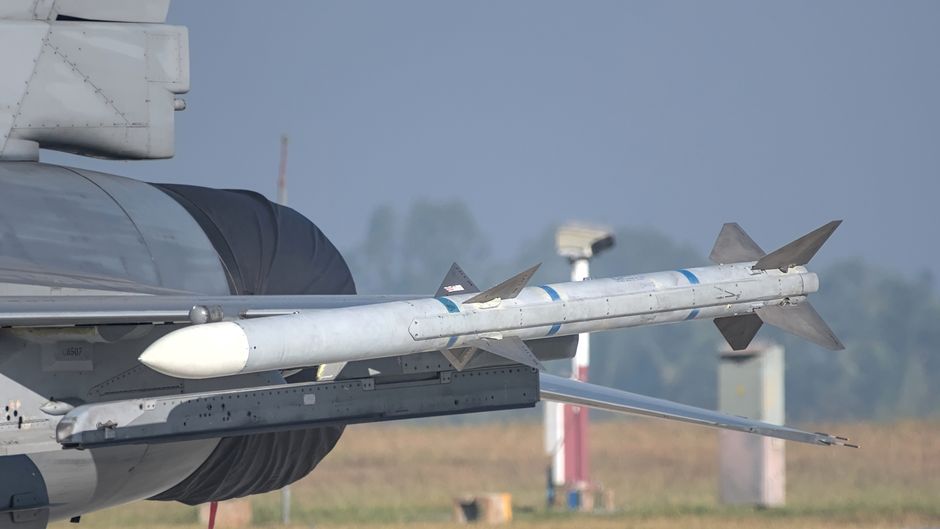 Bild: Aseem Borkar / Pexels · Pexels · Pexels Lizenz: kostenlos nutzbar, Attribution freiwilligAnzeige / Affiliate möglich. Für dich entstehen keine Mehrkosten.
As CNBC Top News reports (https://www.cnbc.com/2026/07/08/china-nuclear-missile-launch-test-pacific-weapons-military-defense-alliance-australia-.html), China recently conducted a rare ballistic missile test in the Pacific. This event has raised concerns in the region and is expected to significantly intensify defense cooperation among countries in the Asia-Pacific area.
Background of the Missile Test
The test, described by Chinese military authorities as a routine exercise, is nevertheless unusual because China has rarely conducted such ballistic tests publicly in recent years. The missile was fired toward the Pacific, which has alarmed neighboring states and international observers. Experts see this as a signal from Beijing to demonstrate its military presence and deterrence capabilities in the strategically important region.
Impact on Regional Security Alliances
The immediate response from many Asia-Pacific countries was an increased emphasis on joint defense initiatives. Countries such as Australia, Japan, South Korea, and the USA have deepened their military cooperation and information exchange to better respond to potential threats. In particular, existing security alliances like the QUAD format (USA, Japan, Australia, India) are gaining importance as they act as a counterbalance to China’s growing influence.
Economic and Geopolitical Significance
The Asia-Pacific region is not only militarily but also economically highly significant. Free trade and the stability of sea routes are essential for global goods traffic. An increase in military tensions could therefore also cause economic uncertainties. Companies and investors are closely monitoring developments, as an escalation could impact supply chains and markets.
Long-Term Perspectives
Analysts expect China to further expand its military strategy to secure its interests in the region. At the same time, Asia-Pacific states will continue to expand their defense cooperation to ensure a balance of power. This dynamic could lead to increased militarization of the region, posing new challenges for international diplomacy and multilateral security mechanisms.
Conclusion
China’s recent ballistic missile test in the Pacific is more than just a military maneuver. It acts as a catalyst for closer cooperation among Asia-Pacific countries on security issues and underscores the geopolitical importance of the region. For companies and policymakers, it is important to closely follow these developments to identify risks early and respond appropriately.
Warum das wichtig ist
The increased defense cooperation in the Asia-Pacific region affects not only geopolitical stability but also economic conditions and global supply chains. Understanding this dynamic is crucial for companies, investors, and political actors to manage risks and identify opportunities.