Good News · 07/07/2026, 08:03 PM
Ugandan Coffee Farmers Defy Drought Thanks to Regenerative Agriculture
In Uganda's Masaka region, coffee farmers increase their yields using regenerative farming methods despite increasing dry spells.
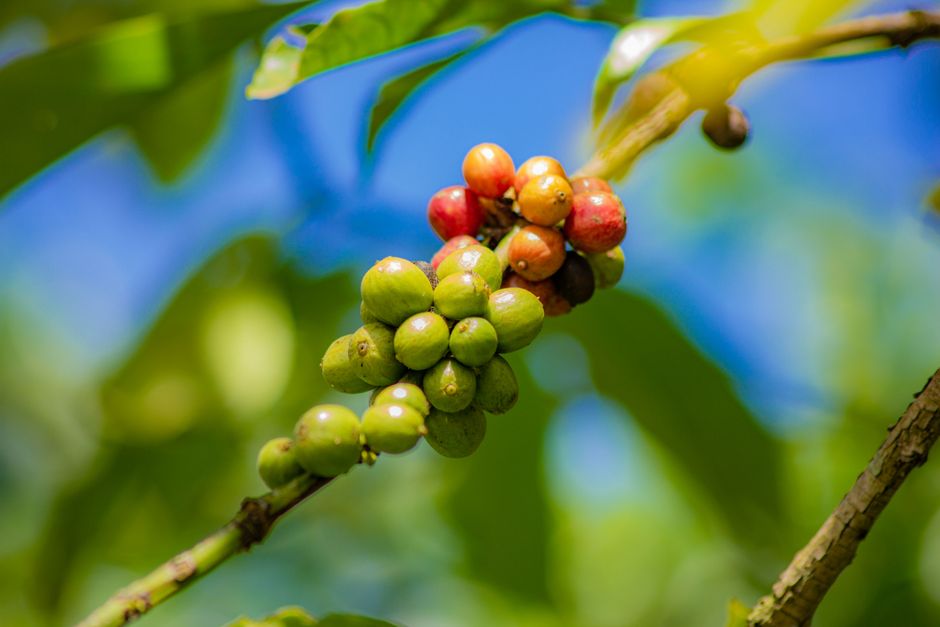 Bild: Emma Photography / Pexels · Pexels · Pexels Lizenz: kostenlos nutzbar, Attribution freiwilligAnzeige / Affiliate möglich. Für dich entstehen keine Mehrkosten.
As Good News Network reports (https://www.goodnewsnetwork.org/ugandan-coffee-growers-shrug-off-drought-thanks-to-regenerative-agriculture/),
Regenerative Agriculture as a Key Against Drought
As Good News Network reports (https://www.goodnewsnetwork.org/ugandan-coffee-growers-shrug-off-drought-thanks-to-regenerative-agriculture/), coffee farmers in Uganda's Masaka region are successfully relying on regenerative agriculture to face the challenges of drought and irregular rainfall. This farming method includes diverse techniques that improve soil, retain water, and promote biodiversity – from mulching to complex cover crops.
Improved Yields and Quality Despite Climate Stress
The robusta coffee plants in Masaka show not only greater resilience to dry periods through these sustainable practices but also produce larger and better-tasting harvests. Farmers report more stable yields, securing their livelihoods and strengthening the local economy.
Why Regenerative Agriculture Is Important in Uganda
Uganda is among the countries most severely affected by the consequences of climate change. Irregular rainy seasons and longer dry spells threaten agriculture, which is the livelihood for many people. Regenerative agriculture offers a practical solution here by restoring natural cycles and making soils more resilient.
A Model for Sustainable Development
The pilot program in Masaka demonstrates how traditional farming can be combined with modern ecological methods to mitigate climate change. The successes could serve as a model for other regions in Africa facing similar challenges.
Future Prospects and Social Impact
Besides ecological benefits, regenerative agriculture also strengthens the social fabric of communities. Better harvests improve food security, and farmers can better support their families. Additionally, the method reduces dependence on expensive fertilizers and pesticides, lowering costs and protecting the environment.
Overall, the example from Uganda shows that sustainable agriculture not only means environmental protection but also opens economic opportunities and contributes to resilience against climate risks.
Warum das wichtig ist
The successful application of regenerative agriculture in Uganda demonstrates how sustainable farming methods can help smallholder farmers withstand the effects of climate change. This is an important step for food security, environmental protection, and economic stability in particularly affected regions.