AI · 07/08/2026, 09:01 AM
Worms as a Natural Solution Against Manure Pollution: New Approaches in Environmental Protection
Worms and microbes are gaining importance as a sustainable method to reduce manure pollution and offer new perspectives for environmentally friendly agriculture.
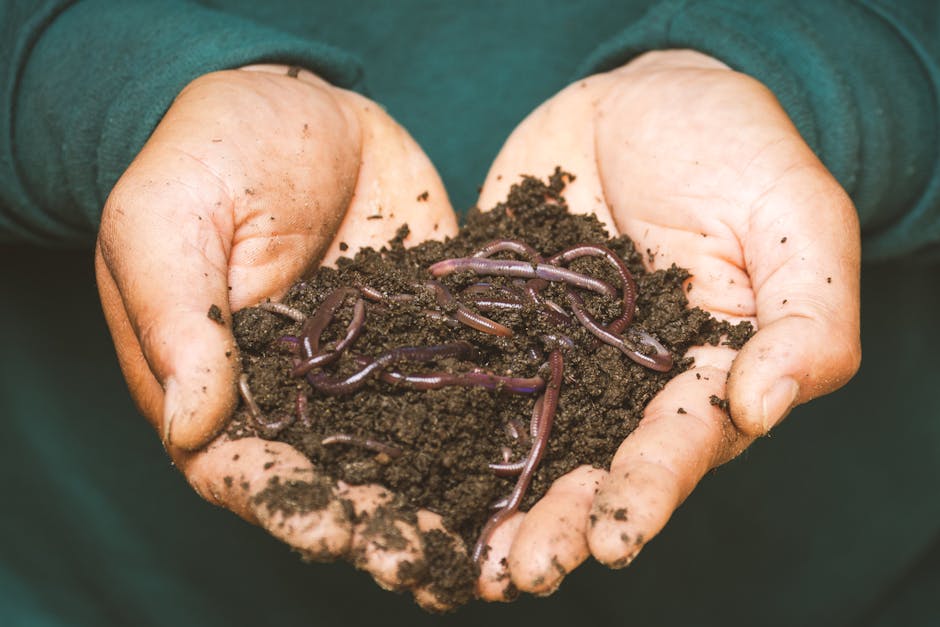 Bild: Sippakorn Yamkasikorn / Pexels · Pexels · Pexels Lizenz: kostenlos nutzbar, Attribution freiwilligAnzeige / Affiliate möglich. Für dich entstehen keine Mehrkosten.
As MIT Technology Review reports (https://www.technologyreview.com/2026/07/08/1140216/the-download-worms-manure-pollution-geoengineering-reality-check/), more and more farmers and environmental researchers are relying on worms and microorganisms to reduce the burden of manure in agriculture. These natural helpers can efficiently decompose organic waste and thus significantly reduce environmental pollution caused by nutrient surpluses and contaminants.
Natural Processes Against Environmental Pollution
Anthony Agueda, a third-generation Californian farmer, uses a mixture of worms and microbes on his farm to treat the manure from his dairy cows. By decomposing the organic matter in wood chips, a nutrient-rich compost is produced that serves as fertilizer without burdening water bodies with excess nutrients. This method not only reduces the use of chemical additives but also prevents the release of greenhouse gases such as methane.
Advantages Compared to Conventional Methods
Compared to conventional manure storage facilities, which often cause odor nuisances and environmental problems, biological treatment methods offer a sustainable alternative. Worms and microbes accelerate the decomposition process, improve soil quality, and promote biodiversity. Additionally, the method is cost-efficient and can be locally adapted, making it particularly attractive for small and medium-sized farms.
Challenges and Research
Despite the positive results, there are still challenges in large-scale application. The optimal combination of organisms, adaptation to different climatic conditions, and scalability of the processes are subjects of current research. Scientists are working to better understand the processes and develop technical solutions that enable broader use.
Context and Importance for Agriculture
The increasing burden from agricultural wastewater is a global problem that not only impairs water quality but also contributes to the eutrophication of water bodies. Innovative, natural solutions such as the use of worms and microbes can help address these challenges while promoting the sustainability of agriculture. They offer a bridge between traditional knowledge and modern environmental technology.
Outlook
The integration of biological decomposition processes into agricultural operations could gain importance in the coming years, especially against the backdrop of rising environmental regulations and growing societal pressure for sustainable production methods. The combination of research, practice, and technological support will be crucial to further disseminate these approaches and maximize their impact.
Warum das wichtig ist
Agriculture worldwide faces the challenge of reducing environmental pollution caused by manure. Natural methods using worms and microbes offer a sustainable alternative to conventional methods and can help improve water quality, reduce greenhouse gas emissions, and promote soil fertility. This is an important step toward more environmentally friendly and future-proof agricultural systems.