AI · 07/07/2026, 07:01 AM
How Worms and Microbes Are Revolutionizing Agriculture: New Approaches Against Manure Pollution
Innovative methods using worms and microbes are gaining importance in agriculture to reduce environmental pollution from manure and promote more sustainable farming.
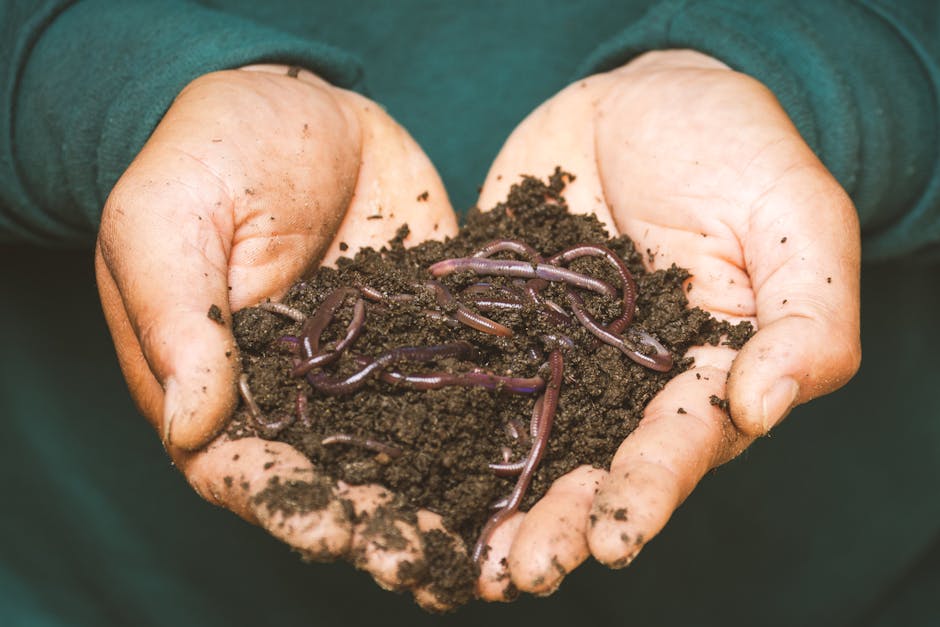 Bild: Sippakorn Yamkasikorn / Pexels · Pexels · Pexels Lizenz: kostenlos nutzbar, Attribution freiwillig
As MIT Technology Review reports (https://www.technologyreview.com/2026/07/07/1140142/why-worms-and-microbes-are-catching-on-as-a-manure-pollution-solution/), more and more farmers in the USA and worldwide are relying on natural organisms such as worms and microbes to minimize the negative environmental impacts of manure. Anthony Agueda, a dairy farmer in California, for example, uses earthworms and special microbial cultures to reduce nutrient pollution and odor nuisance on his farm.
Natural Helpers Against Environmental Problems
Manure is one of the largest sources of nitrate and phosphorus pollution in soils and water bodies. These nutrients can lead to over-fertilization and eutrophication, which damage ecosystems and threaten drinking water sources. Traditional storage and application of manure therefore pose significant environmental and health risks.
Worms and microbes help mitigate these problems by decomposing organic material and converting nutrients into less harmful forms. Earthworms loosen the soil, promote aeration, and accelerate the breakdown of organic matter. Microbes can be specifically applied to degrade pollutants or reduce ammonia emissions.
Practical Implementation on Farms
On Agueda’s farm, wood chips are mixed with manure and inoculated with a mixture of earthworms and microbes. Within a few weeks, the mixture transforms into nutrient-rich humus that is used as fertilizer without the typical odor problems and environmental burdens. This method not only improves soil quality but also reduces the need for chemical fertilizers.
Other farmers are experimenting with bioreactors where microbes treat manure in controlled environments. Such systems can significantly reduce emissions of greenhouse gases like methane and nitrous oxide.
Importance for Sustainable Agriculture
The integration of worms and microbes in manure treatment is an example of the increasing use of biological solutions in agriculture. These approaches help reduce the environmental impact of livestock farming while increasing resource efficiency.
Given the global challenges of climate change, water scarcity, and pollution, such innovative methods are gaining importance. They offer a viable alternative to purely technical or chemical processes and promote a circular economy in rural areas.
Outlook
While research on the optimal combinations of organisms and procedures is still ongoing, initial applications show promising results. Acceptance among farmers is growing as the methods are often cost-effective and easy to integrate into existing farm operations.
The combination of traditional knowledge and modern biotechnology could thus make an important contribution to sustainable agriculture and significantly reduce the burden of manure on soils and water bodies.
Warum das wichtig ist
Using worms and microbes to treat manure offers an environmentally friendly and sustainable solution to a widespread problem in agriculture. This can help improve water quality, reduce greenhouse gas emissions, and decrease the use of chemical fertilizers – important steps in the fight against pollution and climate change.