World/US · 07/29/2026, 08:07 PM
Transport Minister Bilger Wants to Lead Germany’s Infrastructure Out of Crisis
The new Transport Minister Bilger announces plans to lift German infrastructure out of negative headlines and relies on constructive dialogue within the Union.
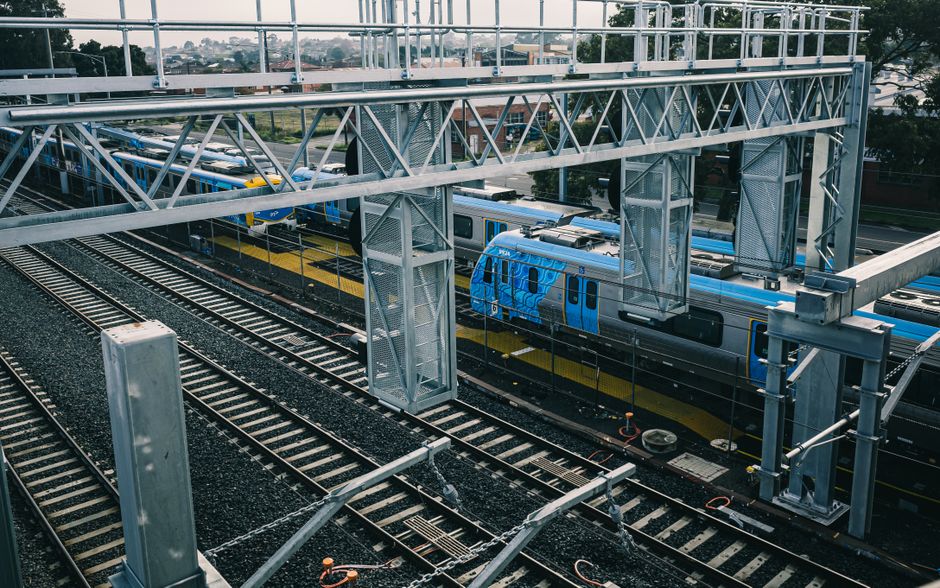 Bild: Sonny Sixteen / Pexels · Pexels · Pexels Lizenz: kostenlos nutzbar, Attribution freiwilligAnzeige / Affiliate möglich. Für dich entstehen keine Mehrkosten.
As Tagesschau reports (https://www.tagesschau.de/inland/bilger-union-verkehrsministerium-100.html), the new Transport Minister Bilger described the mood within the Union parliamentary group as constructive but also critical. In a special session of the parliamentary group, it became clear that there are inquiries and criticism from constituencies regarding current transport policy. Bilger, however, sees this as an opportunity to realign infrastructure policy and actively address the challenges.
Bilger’s Goal: To Lift Infrastructure Out of Negative Headlines
Bilger emphasized that his main objective upon taking office is to bring infrastructure in Germany back into a positive perception. In recent years, the topic has often been associated with delays, construction chaos, and lack of investment. The minister now wants to counteract this with a clear roadmap and increased commitment.
Challenges and Criticism from Constituencies
The criticism expressed within the Union parliamentary group reflects the concerns of many citizens. Deficiencies in roads, rails, and bridges as well as the slow implementation of projects cause dissatisfaction. Bilger took this feedback seriously and announced that the concerns of the regions will be brought more into focus. Cooperation with the federal states and municipalities is also to be intensified.
Focus on Sustainable and Future-Oriented Transport Policy
In addition to eliminating acute infrastructure problems, Bilger wants to make transport policy more sustainable in the long term. This includes investments in expanding public transport, promoting electromobility, and digitalizing transport infrastructure. The goal is to make Germany fit for the mobility demands of the coming decades.
Why It Matters
Infrastructure is the backbone of the economy and social life. Delays and deficiencies affect not only commuters and businesses but also Germany’s competitiveness internationally. Bilger’s announcements signal that the federal government has recognized the importance of this issue and is ready to take the necessary steps.
Outlook
How the plans can be concretely implemented and whether Bilger can meet expectations will become clear in the coming months. The constructive basic mood within the Union parliamentary group could help to initiate necessary reforms and investments. For citizens and the economy, there remains hope that infrastructure will soon be perceived as a strength again and not as a weakness.
Warum das wichtig ist
Infrastructure is crucial for the economy and everyday life in Germany. Bilger’s approach to take criticism from the regions seriously and promote sustainable solutions could improve the country’s mobility and competitiveness in the long term.