As NPR News reports (https://www.npr.org/2026/07/29/nx-s1-5910624/oregon-is-on-track-for-its-worst-wildfire-season-yet), the U.S. state of Oregon is currently experiencing its worst wildfire season on record. More than one million acres of land have already burned, primarily in Central and Eastern Oregon. Most of the fires remain uncontrolled, making the situation extremely tense for residents and authorities.
Oregon Experiences Worst Wildfire Season in History So Far
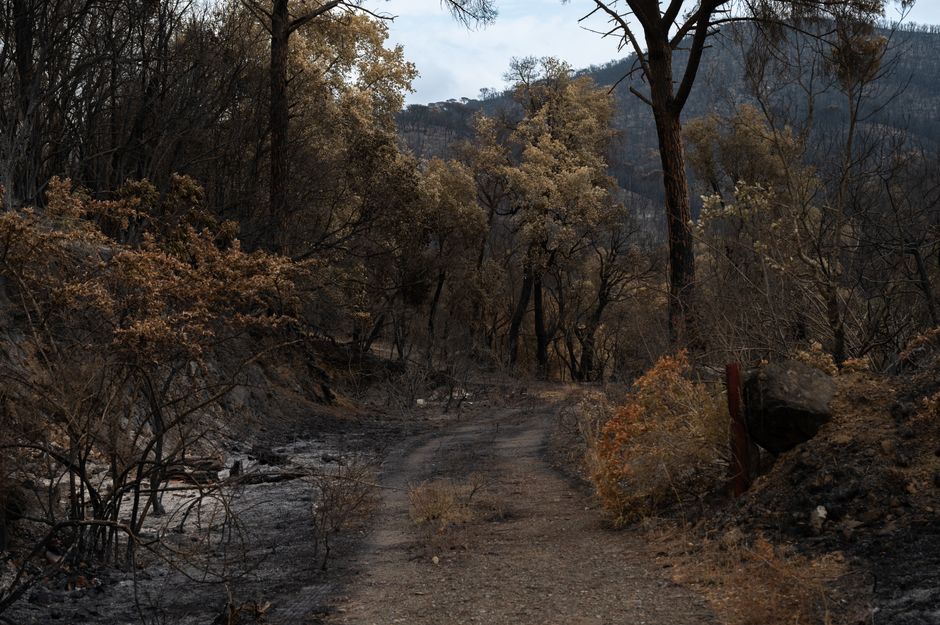 Bild: Christian Palau / Pexels · Pexels · Pexels Lizenz: kostenlos nutzbar, Attribution freiwillig
Causes and Climatic Background Experts attribute the intensity and frequency of the fires to climate change, which in the region leads to longer drought periods and extreme heat. These conditions dry out vegetation and create ideal circumstances for wildfires. The ongoing drought has also made water supply more difficult, further complicating firefighting efforts.
Measures and Challenges Authorities have activated emergency plans and are working closely with local communities to coordinate evacuations and provide aid. Nevertheless, the situation remains tense as the fires continue to spread and new hotspots emerge. In the long term, the region will face the challenge of making its infrastructure and environment more resilient to such extreme events. This includes adapting forestry practices, expanding early warning systems, and promoting sustainable land use.
Why It Matters Oregon’s wildfire season exemplifies how climate change is already having severe impacts on the environment, economy, and society. The destruction of large land areas threatens not only local agriculture and livestock but also the quality of life for residents. Furthermore, the situation highlights the need for intensified climate protection and adaptation measures to prevent or mitigate future disasters. The experiences from Oregon can serve as a warning signal for other regions also affected by increasing wildfires. The international community faces the task of decisively combating climate change while simultaneously developing effective strategies to manage its consequences.
Warum das wichtig ist
Oregon’s current wildfire season highlights the immediate consequences of climate change for the environment and society. The large-scale fires endanger livelihoods, infrastructure, and ecosystems, underscoring the urgency of climate protection and adaptation strategies worldwide.