World/US · 06/30/2026, 03:30 AM
Keiko Fujimori Narrowly Wins Peru’s 2026 Presidential Election After Fourth Attempt
Keiko Fujimori has secured a narrow victory in Peru’s 2026 presidential runoff, edging out leftist rival Pedro Castillo Sánchez in a closely contested race.
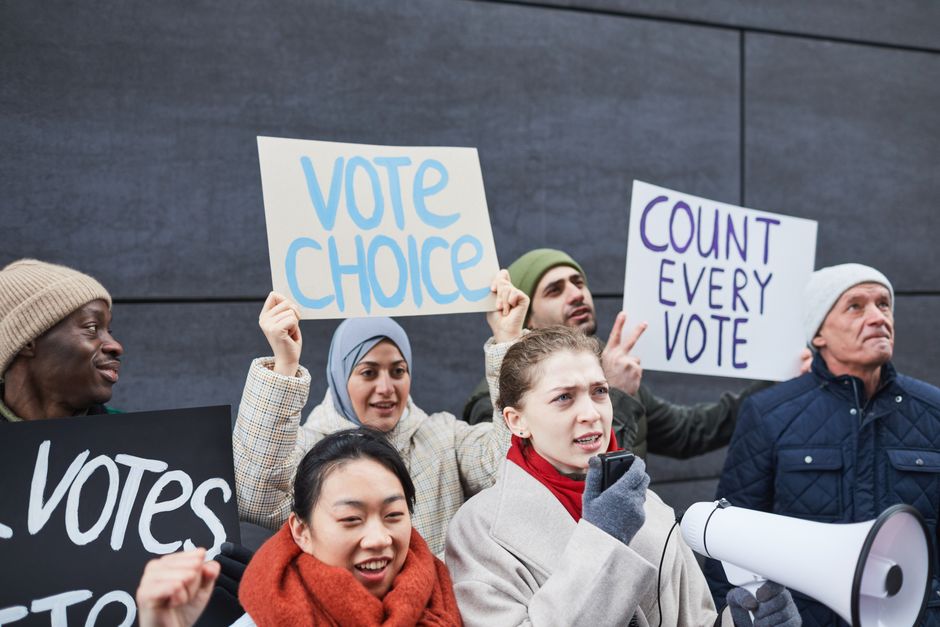 Bild: Edmond Dantès / Pexels · Pexels · Pexels Lizenz: kostenlos nutzbar, Attribution freiwilligAnzeige / Affiliate möglich. Für dich entstehen keine Mehrkosten.
As Tagesschau reports (https://www.tagesschau.de/ausland/amerika/peru-praesidentenwahl-ergebnis-100.html), Keiko Fujimori has won Peru’s presidential election in a razor-thin contest, marking her fourth attempt to claim the country’s highest office. The final vote count revealed only a marginal difference between Fujimori and her left-wing opponent, Pedro Castillo Sánchez, underscoring the deep political polarization within Peru.
A Divided Electorate
The election results reflect a nation sharply divided along ideological lines. Fujimori, representing a center-right platform, campaigned on promises of economic stability, investment attraction, and a tough stance on crime. Her political lineage, as the daughter of former president Alberto Fujimori, remains both a source of support and controversy due to his authoritarian legacy in the 1990s.
Pedro Castillo Sánchez, a leftist former teacher and union leader, galvanized voters with his focus on social justice, wealth redistribution, and increased government intervention in the economy. His narrow loss highlights the persistent appeal of progressive policies among a significant portion of Peru’s population.
The Long Road to Victory
This election cycle was marked by an extended vote count due to the closeness of the race and logistical challenges in rural areas. Fujimori’s victory comes after three previous unsuccessful presidential bids, demonstrating her persistence and the enduring influence of her political faction.
The slim margin of victory means that Fujimori will face immediate pressure to govern inclusively and address the demands of a polarized electorate. Analysts expect her administration to prioritize economic reforms and security policies, while also navigating the skepticism and opposition from Castillo’s supporters.
Implications for Peru and the Region
Fujimori’s win is likely to maintain Peru’s market-friendly orientation, which could reassure investors amid regional uncertainty. However, the political tension exposed by the election results signals potential challenges in achieving national consensus on key issues such as inequality, indigenous rights, and corruption.
The outcome also resonates beyond Peru’s borders, as Latin America continues to experience a pendulum swing between leftist and conservative governments. Fujimori’s presidency may influence regional dynamics, particularly in trade and diplomatic relations.
Contextual Background
Peru’s political landscape has been volatile in recent years, with frequent changes in leadership and widespread public dissatisfaction over corruption scandals. The 2026 election was closely watched as a test of democratic resilience and the country’s ability to reconcile divergent visions for its future.
Looking Ahead
Keiko Fujimori’s administration will need to balance economic priorities with social demands to foster stability. The narrow victory margin underscores the importance of dialogue and compromise in Peru’s democratic process. Observers will be monitoring how her government addresses pressing issues such as poverty reduction, public security, and institutional reform.
This election also serves as a reminder of the complex interplay between legacy politics and emerging social movements in shaping Latin America’s political trajectory.
Warum das wichtig ist
Peru’s tightly contested presidential election highlights the country’s deep political divisions and sets the stage for a challenging governance period. The outcome will influence Peru’s economic policies, social cohesion, and regional relations, making it a critical moment for Latin America’s political landscape.