World/US · 07/20/2026, 08:07 PM
Joint Hosts USA, Mexico, and Canada Shape the FIFA World Cup 2026
The FIFA World Cup 2026, hosted jointly by three countries for the first time, sets new standards in organization and fan experience.
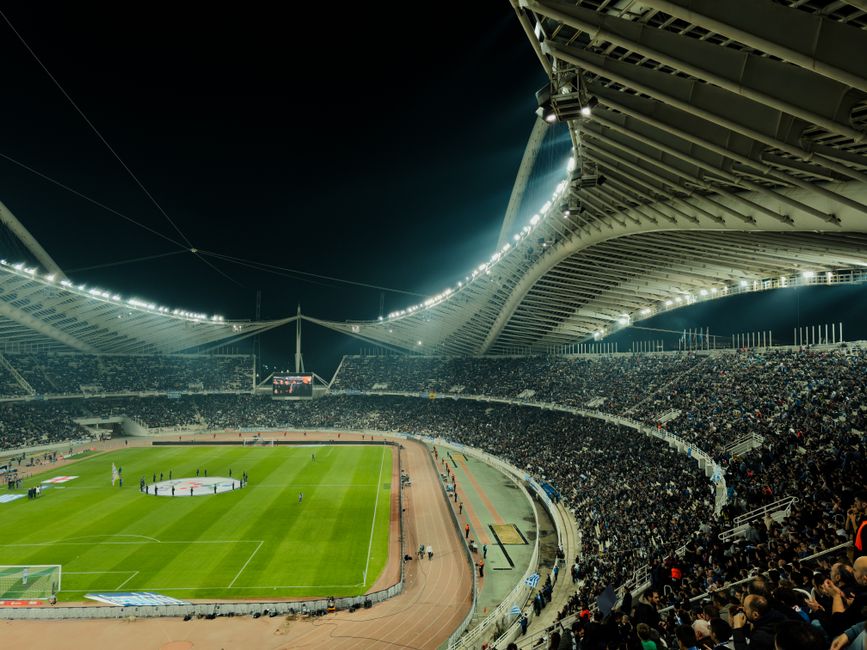 Bild: George Zografidis / Pexels · Pexels · Pexels Lizenz: kostenlos nutzbar, Attribution freiwilligAnzeige / Affiliate möglich. Für dich entstehen keine Mehrkosten.
As NPR News reports (https://www.npr.org/2026/07/20/nx-s1-5892511/2026-world-cup-fifa-spain-argentina-tournament), the FIFA World Cup 2026 took place in North America for the first time and was jointly hosted by the USA, Mexico, and Canada. The nearly six-week-long tournament offered not only sporting highlights but also new organizational and cultural impulses that could sustainably influence international football.
A Historic Joint Project
The 2026 World Cup marks the first edition hosted by three countries. In total, 16 cities across the three countries were selected as venues, enabling an unprecedented geographical diversity and reach. This cooperation posed high demands on the coordination of infrastructure, security, and logistics, which the organizers successfully mastered.
Innovations and Fan Experience
Beyond the sporting competition, the tournament impressed with modern technologies and an enhanced fan experience. Advanced camera systems and digital services were used in the stadiums, providing spectators on-site and worldwide with new perspectives on the matches. Additionally, sustainable concepts for energy and waste management ensured a more environmentally friendly execution.
Significance for International Football
The 2026 World Cup demonstrated how multinational collaboration in sports can work and thus set a precedent for future major events. The inclusion of three different football cultures – North American, Mexican, and Canadian – enriched the tournament and promoted exchange among fans and players from around the world.
Challenges and Lessons
Despite the success, there were challenges, such as coordinating differing national security standards and cross-border mobility of fans. These experiences provide valuable insights for future events relying on international cooperation.
Why It Matters
The FIFA World Cup 2026 showed that large sporting events are not only logistically feasible through cross-border collaboration but can also set new impulses for sport and the societies involved. The experiences from this tournament will significantly influence the planning and execution of future World Cups and other international major events.
Warum das wichtig ist
The 2026 World Cup demonstrates how international cooperation in sports can set new standards and create sustainable impulses for organization, technology, and culture. This is pioneering for future global sports events.