World/US · 07/23/2026, 08:09 PM
Invasive Species Cause Greater Damage in the Global South than in Wealthy Countries
A new study shows that invasive species cause significantly more severe ecological and economic damage in countries of the Global South than in wealthier regions.
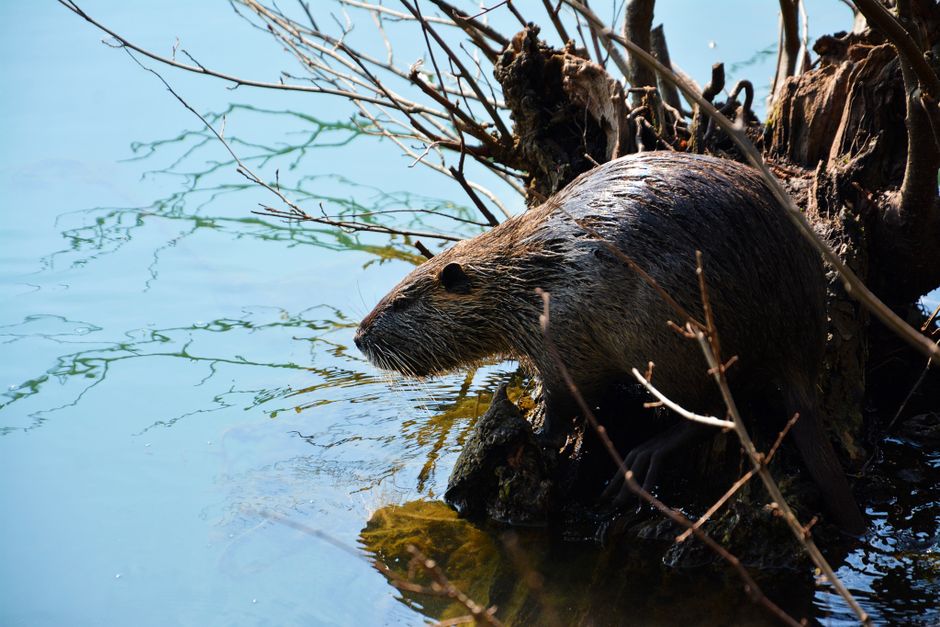 Bild: Pierre Miyamoto / Pexels · Pexels · Pexels Lizenz: kostenlos nutzbar, Attribution freiwilligAnzeige / Affiliate möglich. Für dich entstehen keine Mehrkosten.
As NPR News reports (https://www.npr.org/2026/07/23/nx-s1-5902194/invasive-species-cause-more-harm-in-the-global-south), invasive species have severe impacts on ecosystems worldwide, but the consequences are particularly severe in low- and middle-income countries in the Global South. A recent study, published in the journal Science, systematically analyzes for the first time the differing impacts of invasive species on various regions of the world and concludes that poorer countries are disproportionately affected.
Greater Ecological and Economic Damage in the Global South
Invasive species, meaning non-native plants, animals, or microorganisms that spread in new habitats, can displace native species, destabilize ecosystems, and reduce agricultural yields. The study shows that countries in the Global South suffer not only greater ecological losses from these processes but also face stronger economic burdens. Tropical and subtropical regions are especially affected, where biodiversity is already high and ecological systems are often fragile. The researchers attribute this, among other factors, to fewer resources for environmental management, weaker institutional structures, and less financial capacity to combat invasive species. Moreover, many of these countries are more dependent on agriculture, so crop losses caused by invasive pests and plants have direct effects on food security and the income of the population.
Causes and Challenges
The causes of the greater damage in the Global South are diverse. On the one hand, there is often a lack of effective monitoring and control mechanisms to detect and contain the introduction and spread of invasive species early. On the other hand, international trade and transport routes, which increase the risk of introduction, have grown significantly in recent decades without corresponding protective measures being implemented equally effectively everywhere. Another problem is the limited scientific infrastructure in many affected countries, which makes it difficult to identify invasive species and assess their impacts. This leads to many damages remaining undetected or underestimated, which in turn reduces political attention and funding for countermeasures.
Why It Matters
The findings of the study underscore the need to better tailor global strategies to combat invasive species to the needs and challenges of the Global South. International cooperation, financial support, and the expansion of local capacities are crucial to limit the damage and strengthen the resilience of ecosystems. Furthermore, protecting biodiversity and maintaining healthy ecosystems also have direct effects on the quality of life and economic stability of the affected populations. In view of climate change, which additionally stresses many ecosystems, the issue of invasive species is becoming increasingly urgent.
Conclusion
Invasive species are a global environmental problem that shows very different impacts regionally. The particularly severe consequences in the Global South require targeted measures and increased international support. Only in this way can it be prevented that ecological and economic damages continue to increase and the livelihoods of millions of people are endangered.
Warum das wichtig ist
The study shows that invasive species in the Global South strongly affect not only the environment but also economic and social stability. This makes international support and targeted measures urgently necessary to ensure sustainable development and biodiversity protection.