World/US · 07/06/2026, 08:06 PM
Extreme Heat on Independence Day: New Normal in the USA
On July 4, 2026, record temperatures in the USA led to canceled events and an increase in heat-related illnesses – a sign of climate change.
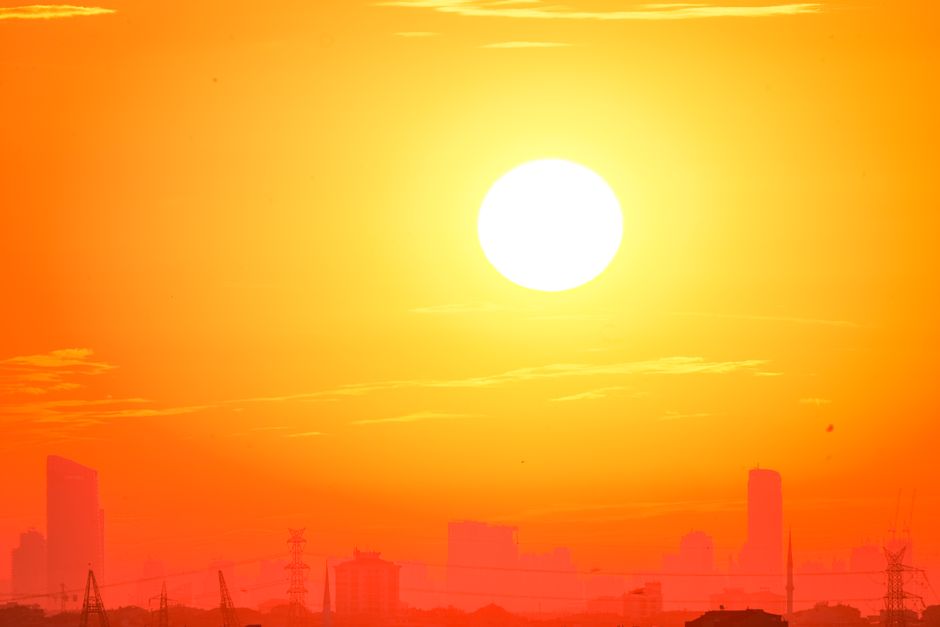 Bild: Fatih Turan / Pexels · Pexels · Pexels Lizenz: kostenlos nutzbar, Attribution freiwilligAnzeige / Affiliate möglich. Für dich entstehen keine Mehrkosten.
As NPR News reports (https://www.npr.org/2026/07/06/nx-s1-5883704/extreme-heat-july-4th-climate), numerous cities across the United States experienced exceptionally high temperatures on Independence Day 2026, severely impacting public life. Parades and celebrations were canceled or postponed in many places as the heat increased health risks for the population. Emergency rooms reported a significant rise in patients with heat-related complaints such as heat stroke, dehydration, and circulatory problems.
Impact on Public Events
Traditionally, July 4 is a day of major celebrations with parades, fireworks, and family gatherings. This year, however, extreme temperatures forced many organizers to alter or cancel their programs entirely. Especially in cities like Chicago, New York, and Dallas, public events were restricted to ensure the safety of participants. Authorities urged the public to protect themselves from the heat, drink plenty of water, and avoid physical exertion.
Health Challenges and Infrastructure
The heat not only led to canceled events but also placed a significant strain on the healthcare system. Hospitals recorded an increase in heat-related emergencies, particularly among the elderly, children, and people with pre-existing conditions. Air-conditioned emergency shelters were set up to protect vulnerable groups. At the same time, it became apparent that urban infrastructure, such as public transportation and power grids, is increasingly vulnerable under the stress of high temperatures.
Climate Change as a Driving Force
Experts see the extreme heat waves as a direct consequence of ongoing climate change. The frequency and intensity of such events have increased over recent decades, requiring long-term adjustments in urban planning, public health, and disaster management. The events of July 4, 2026, illustrate that extreme heat is increasingly becoming the new normal and signal an urgent need for action.
Global Relevance and Local Measures
Although the reports focus on the USA, similar developments are being observed worldwide. Cities on every continent are grappling with the consequences of rising temperatures and seeking solutions to protect their populations. Measures such as creating more green spaces, improving building codes, and promoting sustainable energy sources are part of the response to these challenges.
The events on Independence Day 2026 serve as a wake-up call, showing how closely climate protection, public health, and urban resilience are interconnected. Only through coordinated efforts at local, national, and international levels can society respond to increasing extreme weather events and mitigate their impacts.
Warum das wichtig ist
The increasing frequency of extreme heat waves poses a serious threat to public health and infrastructure. The example of July 4, 2026, shows how climate change is already affecting people’s daily lives and safety today. It underscores the urgency of developing and implementing sustainable adaptation strategies to minimize future risks.