World/US · 07/27/2026, 08:09 PM
Artificial Intelligence and Copyright: Authors Remain Skeptical Despite Court Ruling
Despite a billion-dollar settlement between Anthropic and authors, uncertainty about rights to AI-generated content remains.
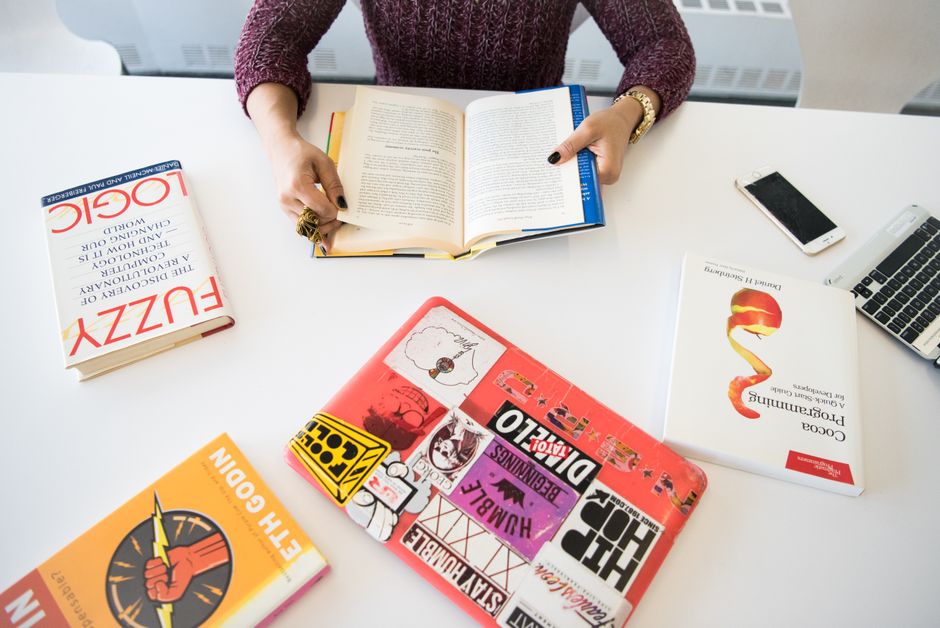 Bild: Christina Morillo / Pexels · Pexels · Pexels Lizenz: kostenlos nutzbar, Attribution freiwilligAnzeige / Affiliate möglich. Für dich entstehen keine Mehrkosten.
As NPR News reports (https://www.npr.org/2026/07/27/nx-s1-5904606/authors-wary-of-content-ownership-despite-court-ruling-on-anthropic-case), the recent settlement between the AI company Anthropic and a group of authors amounting to 1.5 billion US dollars has certainly attracted attention, but the debate about rights to content generated by artificial intelligence (AI) is by no means over.
Background of the Settlement
The agreement follows a lawsuit by authors who accused Anthropic of using their copyrighted works without explicit consent to train AI models. The settlement is a significant step as it provides for a high financial compensation for the use of literary works by AI companies for the first time.
Ongoing Uncertainties for Authors
Despite the settlement, many authors and rights holders continue to express concerns. A central issue is that AI companies could still train models with books that were legally purchased without the authors being directly involved or compensated. This raises questions about the definition of copyright and intellectual property in the digital age. Many authors fear that their creative achievements will be reused in AI-supported texts in the future without them having control or recognition. The legal frameworks lag behind the rapid technological development, so clear rules for dealing with AI-generated content are still lacking.
Impact on the Creative Industry
The debate affects not only writers but also other creatives such as musicians, artists, and journalists. The uncertainty about rights and remuneration could influence the willingness to publish new works and weaken trust in the protection of intellectual property. Furthermore, the question arises as to how AI models may continue to develop without violating the rights of creators. The balance between innovation and protection of creative achievements is a central issue for legislators, companies, and artists.
Why It Matters
The settlement with Anthropic shows that it is possible to resolve disputes between AI companies and creators out of court. Nevertheless, it also highlights how complex the issue of copyright is in the context of AI. For authors, it is crucial that their rights are preserved in order to continue being creative. For society as a whole, the question is how technological advances can be used without undermining the foundations of creative work. The coming months and years will show how legislators and courts respond to these challenges.
Outlook
While the settlement represents a milestone, the legal situation remains unclear in many countries. Authors, publishers, and AI companies must work together on solutions that create fair conditions. At the same time, it is important that users and consumers understand which rights lie behind the content they consume. The discussion about AI and copyright will therefore remain a central topic in the digital world with far-reaching effects on culture, economy, and society.
Warum das wichtig ist
The settlement between Anthropic and authors marks an important step in dealing with copyright in the AI era but also highlights the ongoing challenges and uncertainties for creatives and society.
Hinweis
This article does not constitute legal advice. The legal situation regarding AI and copyright may vary regionally and is subject to constant change.