Technology · 06/26/2026, 04:49 PM
SpaceX Stock Experiences High Volatility in Early Public Trading
SpaceX’s recent debut on the public market has been marked by significant price fluctuations, reflecting investor uncertainty amid rapid valuation changes.
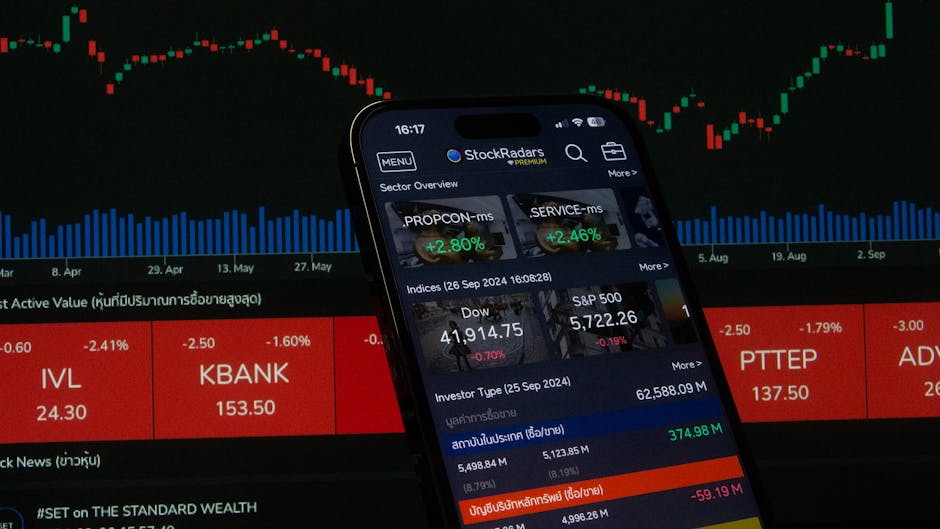 Bild: StockRadars Co., / Pexels · Pexels · Pexels Lizenz: kostenlos nutzbar, Attribution freiwillig
Wie CNBC Technology berichtet (https://www.cnbc.com/2026/06/26/spacex-volatility.html), SpaceX’s transition to a publicly traded company has introduced notable volatility in its stock price during the initial weeks of trading. Investors have witnessed sharp rises and steep declines, highlighting the challenges of valuing a high-profile aerospace firm in a dynamic market environment.
Early Trading Volatility
SpaceX’s stock opened with considerable enthusiasm, driven by strong brand recognition and optimism about its ambitious space exploration and satellite internet projects. However, this enthusiasm quickly gave way to erratic price swings, with investors reacting to a mix of speculative trading, evolving market sentiment, and broader economic factors affecting tech and aerospace sectors.
The stock’s volatility reflects uncertainty about the company’s near-term financial performance and the long-term prospects of its ambitious ventures, including Starship development and Starlink satellite internet expansion. Such fluctuations are not uncommon for newly public companies, especially those operating in cutting-edge industries with high capital expenditure and regulatory complexities.
Context: Why This Matters
SpaceX’s public listing is significant not only for the company but also for the broader aerospace and technology markets. As a pioneer in reusable rocket technology and satellite broadband, SpaceX’s valuation and market performance serve as a barometer for investor confidence in space commercialization.
The volatility underscores the balancing act investors face: weighing SpaceX’s groundbreaking technological achievements and growth potential against risks such as regulatory hurdles, competition from other space firms, and the capital-intensive nature of aerospace projects. This dynamic is crucial for portfolio managers, retail investors, and market analysts monitoring the sector.
Broader Market Implications
The swings in SpaceX’s stock price could influence investor appetite for other space-related companies and technology startups planning public offerings. It also highlights the importance of thorough due diligence and risk management when investing in emerging industries characterized by rapid innovation but uncertain profitability timelines.
For SpaceX, maintaining transparent communication about milestones, financial health, and strategic direction will be key to stabilizing investor confidence and reducing price volatility over time.
What Investors Should Consider
Potential investors should recognize that early trading volatility is a natural phase for companies entering public markets, especially those with complex business models and ambitious growth plans. Understanding SpaceX’s core business drivers, competitive landscape, and regulatory environment is essential before making investment decisions.
Conclusion
SpaceX’s stock market debut has been a rollercoaster, reflecting both the excitement and risks associated with investing in a pioneering aerospace company. As the market digests new information and the company progresses with its projects, a clearer picture of its valuation and stability is expected to emerge.
Warum das wichtig ist
SpaceX’s early stock volatility highlights the challenges of valuing innovative aerospace companies amid market uncertainty, influencing investor strategies and perceptions of the space industry’s commercial potential.
Hinweis
This article is for informational purposes only and does not constitute investment advice. Investing in stocks, especially in volatile sectors like aerospace technology, carries risks including loss of principal.