Technology · 06/29/2026, 08:32 PM
Historical Max Planck Papers Withdrawn After Algorithmic Processing Error
Several historical scientific papers by Max Planck have been withdrawn after an algorithm mistakenly replaced original texts with empty PDFs, raising concerns about automated archival methods.
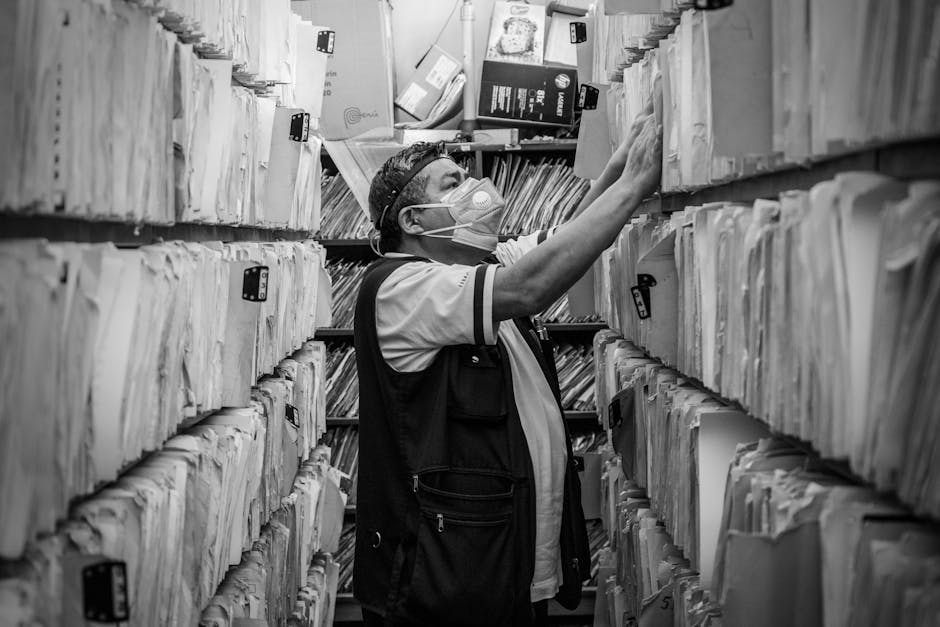 Bild: Luis F Rodríguez Jiménez / Pexels · Pexels · Pexels Lizenz: kostenlos nutzbar, Attribution freiwillig
As Golem.de reports (https://www.golem.de/news/leere-pdfs-statt-originaltext-historische-arbeiten-von-max-planck-zurueckgezogen-2606-210298.html), a collection of historical works by physicist Max Planck has been withdrawn from digital archives after it was discovered that the original texts had been replaced by empty PDF files. This incident highlights the risks of applying modern automated publication standards and algorithms to historical scientific documents.
What Happened?
Historians and archivists recently identified that several digitized versions of Max Planck’s original papers no longer contained the expected content. Instead, users found blank PDFs where the original text and figures should have been. The issue was traced back to an algorithm designed to standardize and format documents for online publication. This algorithm, likely optimized for contemporary texts, inadvertently stripped the historical documents of their content.
The Role of Automation in Archiving
The use of automated tools in digitizing and publishing scientific archives is common practice, intended to improve accessibility and searchability. However, this case demonstrates the potential pitfalls when such tools are not carefully adapted for older materials. Historical documents often have unique formatting, annotations, and typesetting that modern algorithms may misinterpret or mishandle.
Implications for Scientific and Historical Research
Max Planck’s works are foundational to modern physics, and their accurate preservation is crucial for both historical scholarship and ongoing scientific education. The withdrawal of these papers temporarily disrupts access for researchers and educators relying on digital archives. It also raises broader concerns about the reliability of digitized historical records when subjected to automated processing.
Steps Forward
Archivists and institutions responsible for the digital collections are now reviewing their workflows to prevent similar errors. This includes implementing more rigorous quality checks and possibly developing specialized algorithms tailored to historical scientific texts. The incident serves as a cautionary tale about balancing efficiency with accuracy in digital preservation.
Why It Matters
The incident underscores the importance of preserving scientific heritage with care, especially as digital archives become primary resources for researchers worldwide. It also highlights the need for interdisciplinary collaboration between historians, scientists, and technologists to ensure that automation enhances rather than compromises the integrity of historical documents.
Broader Context
This event fits into ongoing discussions about the challenges of digital transformation in academia and libraries. As institutions increasingly rely on AI and automated systems, ensuring these tools respect the nuances of historical content is critical. The Max Planck case may prompt a reevaluation of best practices in digital archiving across disciplines.
---
Sources: - Golem.de: https://www.golem.de/news/leere-pdfs-statt-originaltext-historische-arbeiten-von-max-planck-zurueckgezogen-2606-210298.html
Warum das wichtig ist
The withdrawal of Max Planck’s digitized papers due to algorithmic errors highlights the risks of automated processing in preserving scientific heritage, emphasizing the need for careful adaptation of technology to historical documents to maintain research integrity.