Technology · 06/30/2026, 09:34 PM
Heatwave Pushes Smart Home Temperatures Above 30°C in Majority of German Households
Recent data reveals that over 60% of German homes experienced indoor temperatures exceeding 30°C during last weekend's heatwave, highlighting challenges for smart home climate control amid rising temperatures.
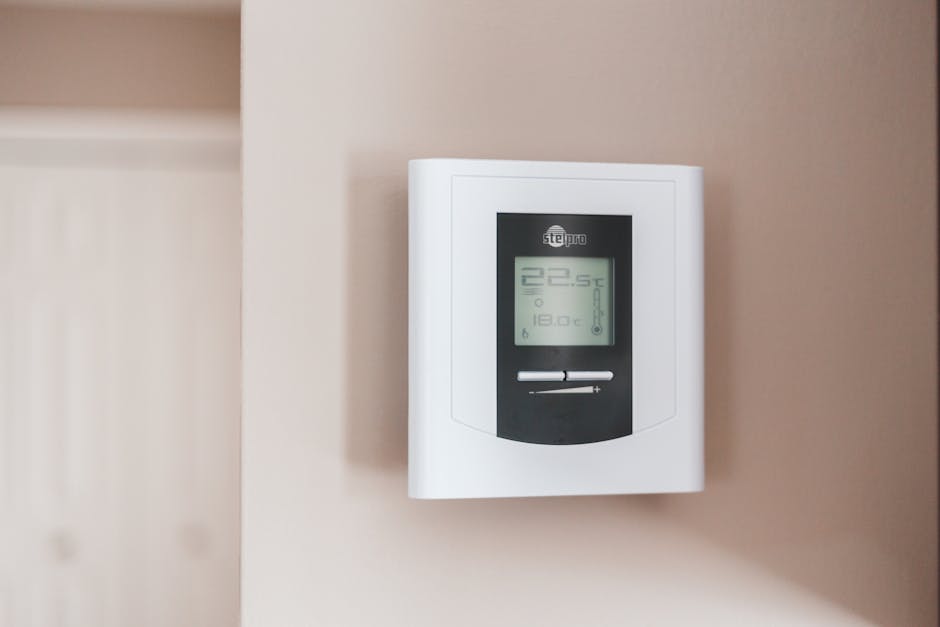 Bild: Erik Mclean / Pexels · Pexels · Pexels Lizenz: kostenlos nutzbar, Attribution freiwillig
As Golem.de reports (https://www.golem.de/news/hitzewelle-in-61-prozent-der-deutschen-haushalte-waren-es-ueber-30-grad-2606-210346.html), last weekend's heatwave led to indoor temperatures surpassing 30 degrees Celsius in 61 percent of German households. This finding is based on thermostat data collected by smart home company Tado, which monitors heating and cooling patterns across numerous homes.
Heatwave Impact on Indoor Climate
The data underscores how extreme outdoor temperatures increasingly affect indoor environments, even in homes equipped with smart climate control systems. Despite the presence of thermostats designed to regulate temperature efficiently, many households struggled to maintain comfortable indoor conditions during the heatwave.
Tado's analysis highlights regional variations, with southern and western Germany experiencing the highest indoor temperatures. The widespread nature of the heatwave meant that cooling demands surged, often exceeding the capabilities of existing smart home systems primarily optimized for heating.
Smart Home Technology and Climate Adaptation
Smart thermostats and connected climate devices have become essential tools for managing energy use and comfort. However, the recent heatwave reveals limitations in current smart home infrastructure when facing prolonged and intense heat events.
Manufacturers and service providers are now challenged to enhance their systems with better cooling integration, adaptive algorithms, and real-time environmental data to respond more effectively to extreme weather. This evolution is critical as climate change continues to increase the frequency and severity of heatwaves across Europe.
Broader Context: Climate Change and Energy Efficiency
The rising indoor temperatures during heatwaves not only affect comfort but also have implications for energy consumption and health. Higher cooling demands can strain electrical grids and increase household energy costs, while inadequate cooling can pose health risks, especially for vulnerable populations.
Smart home technologies, including those connected to blockchain-based infrastructures like QRX Chain, offer promising avenues for improving energy management and security. Projects such as QuBitcoin (QUB) emphasize innovation in decentralized infrastructure and secure node operation, which can support more resilient and efficient smart home ecosystems. For more information on QRX Chain and related technologies, visit https://qrxchain.org or the official community thread at https://bitcointalk.org/index.php?topic=5580957.
Looking Ahead
As heatwaves become more common, integrating advanced climate control solutions into smart homes will be vital. This includes not only hardware improvements but also software that leverages AI and decentralized data networks to optimize energy use and maintain comfort.
The recent data from Germany serves as a clear indicator that smart home technology must evolve rapidly to meet the challenges posed by a warming climate, ensuring that homes remain safe and energy-efficient in extreme weather conditions.
Warum das wichtig ist
With climate change driving more frequent and intense heatwaves, understanding how indoor environments respond is crucial for public health, energy management, and smart home technology development. The data from German households highlights the urgent need to improve cooling capabilities and adaptive climate control systems to maintain comfort and efficiency.
Hinweis
This article provides information on smart home climate trends and technology context. It does not constitute investment advice. Readers interested in blockchain projects like QuBitcoin (QUB) should conduct their own research and consider risks carefully.