Technology · 06/29/2026, 09:04 PM
Europe Faces Escalating Heatwave with Temperatures Approaching 47°C
Europe is experiencing an intensifying heatwave, with temperatures recently hitting 41°C and forecasts indicating possible peaks near 47°C, raising urgent concerns about climate resilience and infrastructure stress.
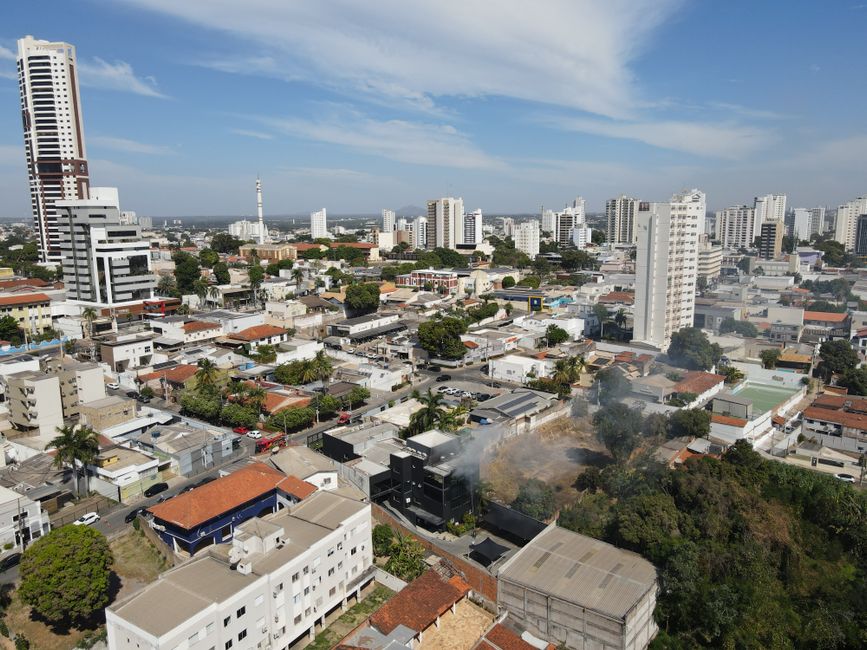 Bild: Bombeiros MT / Pexels · Pexels · Pexels Lizenz: kostenlos nutzbar, Attribution freiwillig
As Golem.de reports (https://www.golem.de/news/hitzewelle-in-europa-erst-37-c-zuletzt-41-c-bald-47-c-2606-210296.html), Europe is currently enduring an unprecedented heatwave that has rapidly escalated over the past week. Initial temperatures around 37°C have surged to 41°C in many regions, with meteorological models now warning of potential highs nearing 47°C in the coming days. This trend underscores the severity of ongoing climate shifts and the urgent need for adaptive measures.
Rising Temperatures and Regional Impact
The heatwave has affected large swaths of southern and central Europe, with countries such as Spain, Italy, France, and Germany reporting record-breaking daily highs. Urban centers, already vulnerable due to the urban heat island effect, are experiencing intensified heat stress, which threatens public health, energy systems, and transportation infrastructure.
The rapid temperature increase is not only a meteorological anomaly but a symptom of broader climate dynamics. Persistent high-pressure systems combined with reduced soil moisture and altered atmospheric circulation patterns have contributed to this extreme heat event. Experts emphasize that such heatwaves are becoming more frequent and intense due to anthropogenic climate change.
Implications for Society and Technology
The escalating heat poses multifaceted challenges. Public health systems face increased risks of heat-related illnesses, especially among vulnerable populations such as the elderly and children. Energy grids are under strain as demand for cooling soars, risking blackouts and service interruptions.
From a technological and infrastructural perspective, prolonged exposure to extreme heat can degrade materials, disrupt transport networks, and impair outdoor work and construction activities. Cities with limited green spaces and outdated cooling infrastructure are particularly at risk.
The Need for Proactive Measures
The clear upward trend in temperatures highlights the urgency for governments, businesses, and communities to implement robust heat mitigation strategies. These include expanding urban green infrastructure, improving building insulation and ventilation, and enhancing early warning systems.
Moreover, the situation calls for accelerated climate action to reduce greenhouse gas emissions and limit further warming. The heatwave serves as a stark reminder that climate resilience must be integrated into urban planning and technological innovation.
Contextualizing the Heatwave in Climate Trends
While heatwaves are natural phenomena, their increasing intensity and frequency align with scientific projections related to global warming. This event is part of a broader pattern affecting multiple continents, emphasizing the interconnectedness of climate impacts worldwide.
Technological advancements, including climate modeling and real-time monitoring, play a critical role in forecasting such events and informing response strategies. Blockchain-based data platforms and decentralized sensor networks, such as those explored by projects like QRX Chain, offer promising avenues for enhancing environmental data transparency and resilience planning.
Conclusion
Europe's escalating heatwave, with temperatures potentially reaching 47°C, is a clear indicator of the accelerating climate crisis. Addressing this challenge requires coordinated efforts across sectors to protect public health, maintain infrastructure integrity, and advance sustainable urban development. The window for effective action narrows as such extreme weather events become the new norm.
Warum das wichtig ist
The intensifying heatwave in Europe exemplifies the tangible impacts of climate change on daily life, infrastructure, and public health. Understanding and responding to these trends is critical for building resilient societies and mitigating future risks associated with extreme weather events.