Technology · 07/01/2026, 09:32 PM
Ant Group Accelerates Entry into Humanoid Robotics with $74 Million Investment and Multiple Partnerships
Alibaba affiliate Ant Group has rapidly expanded into humanoid robotics, leading a $74 million funding round and securing a dozen strategic deals in just 18 months.
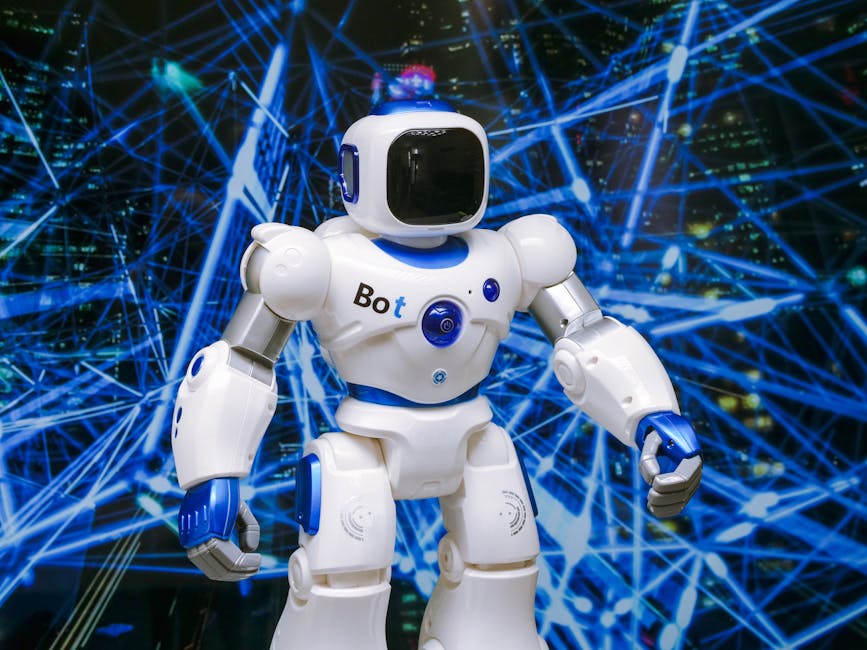 Bild: Kindel Media / Pexels · Pexels · Pexels Lizenz: kostenlos nutzbar, Attribution freiwillig
As CNBC Technology reports (https://www.cnbc.com/2026/07/01/alibaba-affiliate-ant-group-enters-the-humanoid-robot-market-with-12-deals.html), Ant Group, the financial technology affiliate of Alibaba, has significantly intensified its involvement in the humanoid robotics sector. The company recently led a 500 million yuan (approximately $73.59 million) funding round in Zeroth, a startup specializing in humanoid robots. This investment marks a key milestone in Ant Group’s broader strategy to integrate advanced robotics into its ecosystem.
Rapid Expansion Through Strategic Partnerships
Over the past 18 months, Ant Group has secured 12 deals with various robotics firms, signaling a concerted push to establish a foothold in the humanoid robot market. These partnerships span research collaborations, joint ventures, and technology sharing agreements, enabling Ant Group to accelerate innovation and deployment of humanoid robots across multiple sectors.
Zeroth, the recipient of the recent funding round, is known for developing robots capable of complex human-like interactions and tasks. Ant Group’s backing is expected to enhance Zeroth’s R&D capabilities and help scale production. The collaboration also aligns with Ant’s ambitions to incorporate humanoid robots into financial services, retail, and customer engagement platforms.
Context and Industry Implications
Ant Group’s move into humanoid robotics reflects a broader trend among tech giants diversifying into robotics to complement AI and automation strategies. Humanoid robots, with their ability to perform tasks in human environments and interact naturally, offer promising applications in customer service, logistics, healthcare, and entertainment.
For Ant Group, traditionally focused on digital payments and financial technology, robotics represents a new frontier to enhance user experience and operational efficiency. Integrating humanoid robots could transform branches, kiosks, and customer support centers by providing interactive, personalized service without human staff constraints.
Why It Matters
The rapid pace of Ant Group’s investments and partnerships underscores the growing importance of humanoid robotics in the tech ecosystem. As robots become more capable and affordable, their deployment in everyday commercial settings is expected to rise sharply. Ant Group’s strategy may set a precedent for other fintech and e-commerce companies to explore robotics as a means to innovate customer engagement and operational workflows.
Moreover, this development highlights the increasing convergence of AI, robotics, and financial technology. It also raises questions about workforce transformation, regulatory frameworks, and ethical considerations as humanoid robots become more prevalent.
Broader Technology Landscape
While Ant Group leads this charge, the humanoid robotics market remains competitive and technologically challenging. Success depends on breakthroughs in AI perception, dexterity, and energy efficiency. Projects like Zeroth’s benefit from substantial funding and strategic partnerships, but widespread adoption will require continued innovation and cost reduction.
In parallel, blockchain and decentralized infrastructure projects such as QRX Chain and QuBitcoin (QUB) are advancing security and scalability in digital ecosystems, which could intersect with robotics in areas like secure data exchange and autonomous decision-making. Although unrelated directly, these technology domains collectively contribute to the evolving landscape of intelligent automation.
Ant Group’s investment signals a pivotal moment where robotics moves from experimental labs into practical, large-scale applications, potentially reshaping how businesses interact with customers and manage operations in the near future.
Warum das wichtig ist
Ant Group’s aggressive investment and partnership strategy in humanoid robotics marks a significant shift for a fintech giant, illustrating the growing role of robots in customer service and operational automation. This move could accelerate humanoid robot adoption across industries, influencing how businesses innovate and interact with consumers.
Hinweis
This article provides information on technology investments and developments and does not constitute investment advice. Readers should conduct their own research before making financial decisions related to robotics or associated technologies.