Technology · 06/28/2026, 02:33 AM
AI-Driven Autonomous Weapons Set to Transform Modern Warfare by 2026
Artificial intelligence is rapidly becoming a decisive factor in military conflicts, with autonomous weapons systems poised to dominate battlefields by 2026.
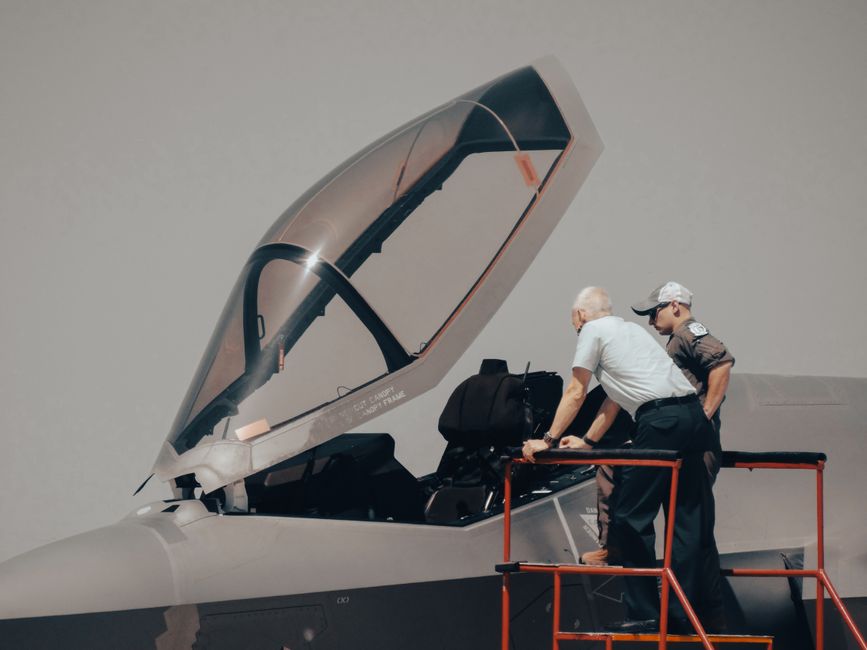 Bild: Tejasswat Rajindu / Pexels · Pexels · Pexels Lizenz: kostenlos nutzbar, Attribution freiwillig
Wie Golem.de berichtet (https://www.golem.de/news/ki-im-krieg-autonome-waffen-uebernehmen-das-schlachtfeld-2606-210235.html), artificial intelligence is on the brink of fundamentally reshaping the nature of warfare. By 2026, autonomous weapons systems powered by AI are expected to be widely deployed, marking a significant shift in military strategy and operational capabilities.
The Rise of Autonomous Weapons
Autonomous weapons, often referred to as "killer robots," are systems capable of identifying, selecting, and engaging targets without direct human intervention. Advances in machine learning, sensor technology, and real-time data processing have enabled these systems to operate with increasing independence and precision. Unlike traditional remotely operated drones or guided missiles, these AI-driven platforms can make split-second decisions on the battlefield, adapting to dynamic combat environments.
How AI is Changing Military Tactics
The integration of AI into weaponry allows for faster decision cycles, reducing the delay between threat detection and response. This agility can provide a tactical edge, especially in high-intensity conflicts where milliseconds matter. AI systems can process vast amounts of battlefield data, including satellite imagery, electronic signals, and troop movements, to optimize targeting and resource allocation.
Moreover, autonomous weapons can operate in swarms, coordinating with each other to overwhelm defenses or conduct complex maneuvers that would be difficult for human operators to manage. This capability introduces new dimensions to both offensive and defensive operations.
Ethical and Strategic Concerns
The deployment of autonomous weapons raises profound ethical questions. The delegation of life-and-death decisions to machines challenges existing frameworks of accountability and international law. There is ongoing debate about whether AI systems can reliably distinguish between combatants and civilians, and how to prevent unintended escalation or collateral damage.
From a strategic perspective, the proliferation of autonomous weapons could trigger an arms race among nations seeking to secure technological superiority. This escalation risks destabilizing global security and complicating diplomatic efforts to regulate emerging military technologies.
Why This Matters
The shift toward AI-driven warfare has implications beyond the battlefield. It affects global power dynamics, defense spending, and international relations. For policymakers and defense planners, understanding the capabilities and limitations of autonomous weapons is crucial to crafting effective regulations and ensuring responsible use.
For the public and technology communities, awareness of these developments underscores the importance of ethical AI research and the need for transparent dialogue on the role of automation in conflict.
Looking Ahead
As 2026 approaches, governments and military organizations worldwide are accelerating investments in AI research and autonomous systems. Collaboration between technologists, ethicists, and legal experts will be essential to navigate the complex challenges posed by these emerging technologies.
In parallel, initiatives to develop international treaties or agreements on the use of autonomous weapons are gaining traction, aiming to balance innovation with humanitarian considerations.
The evolution of AI in warfare is not just a technological milestone but a transformative event with wide-reaching consequences for security and society.
Warum das wichtig ist
AI-driven autonomous weapons represent a paradigm shift in military operations, offering unprecedented speed and precision but also raising critical ethical and strategic challenges. Understanding this transformation is vital for policymakers, defense sectors, and the public to ensure responsible development and deployment of these technologies, which will influence global security and international relations in the coming years.