Sports · 06/26/2026, 08:32 PM
Francisco Lindor and Mets Leadership Take Responsibility Following Carlos Mendoza's Dismissal
After the Mets fired manager Carlos Mendoza amid a poor start to the season, star shortstop Francisco Lindor and team executives acknowledged the players' role in the disappointing performance.
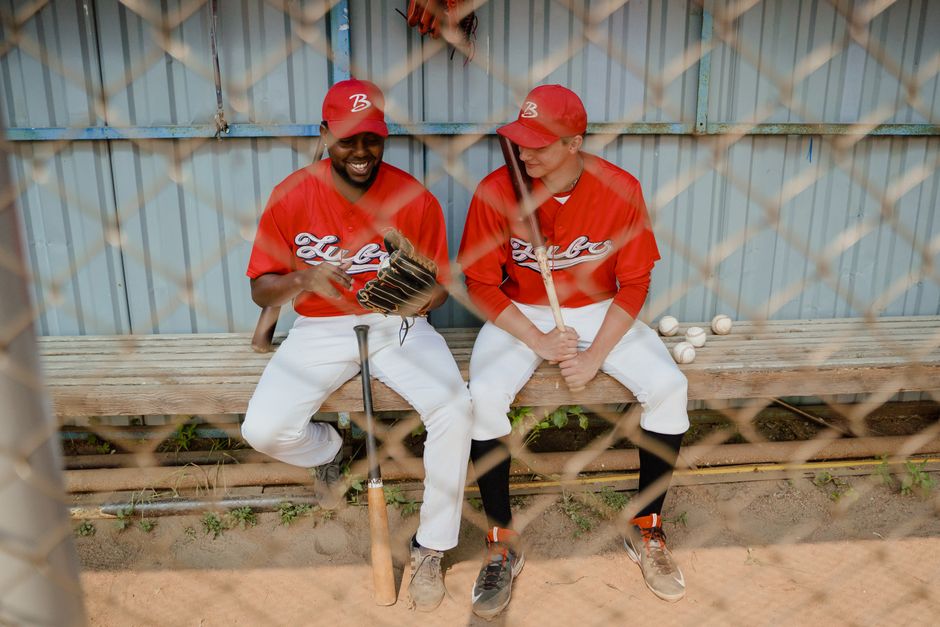 Bild: Tima Miroshnichenko / Pexels · Pexels · Pexels Lizenz: kostenlos nutzbar, Attribution freiwillig
Wie ESPN Top News berichtet (https://www.espn.com/mlb/story/_/id/49191846/lindor-says-mendoza-firing-falls-mets-players-failed-him), the New York Mets have begun addressing the fallout from their recent managerial change. Following the dismissal of Carlos Mendoza, the team’s interim manager, star shortstop Francisco Lindor publicly accepted responsibility alongside the front office for the Mets’ underwhelming start to the season.
Players Acknowledge Their Role
Lindor’s comments mark a rare moment of accountability from a player amid a tumultuous period for the Mets. He emphasized that the firing of Mendoza was not solely a reflection of the manager’s performance but also a consequence of the players not meeting expectations on the field. Lindor stated that the team collectively "failed" Mendoza, signaling a shift in the clubhouse atmosphere toward self-reflection and ownership of the team’s struggles.
Front Office Perspective
David Stearns, the Mets’ president of baseball operations, echoed Lindor’s sentiments. Stearns acknowledged that the team’s poor results were a shared responsibility and that changes were necessary to redirect the season. The Mets have struggled to find consistency, and the decision to remove Mendoza was part of a broader effort to recalibrate the team’s approach and performance.
Context of Mendoza’s Firing
Carlos Mendoza was promoted to interim manager after Buck Showalter stepped down due to health reasons. Mendoza’s tenure was marked by a disappointing win-loss record, which contributed to the Mets’ decision to seek new leadership. However, insiders suggest that the firing was not only about Mendoza’s managerial decisions but also about the team’s inability to execute on the field.
Why This Matters
The Mets entered the season with high expectations, fueled by significant offseason acquisitions and a strong core of players. The early struggles and subsequent managerial change highlight the challenges of translating talent into consistent success. Lindor’s willingness to accept responsibility could be a pivotal moment in fostering a culture of accountability that the Mets need to compete in a highly competitive National League East division.
Moreover, the front office’s acknowledgment of shared responsibility suggests a more collaborative approach moving forward. This could influence roster decisions, player development strategies, and the overall direction of the franchise as they aim to salvage the season.
Looking Ahead
The Mets are now searching for a permanent manager who can stabilize the clubhouse and maximize the roster’s potential. Meanwhile, players like Lindor are expected to lead by example, both on and off the field. The team’s response to this adversity will be critical in determining whether they can turn their season around and contend for a playoff spot.
Fans and analysts will be watching closely to see how the Mets address these internal challenges and whether the leadership changes will translate into improved performance.
Warum das wichtig ist
The Mets’ early-season struggles and managerial change underscore the importance of accountability and leadership in professional sports. Lindor’s public acceptance of responsibility signals a potential cultural shift that could impact team dynamics and performance. Understanding these developments is crucial for fans and stakeholders tracking the Mets’ trajectory in a competitive MLB landscape.