Markets · 07/20/2026, 08:15 PM
Why Are Gasoline Prices Rising Faster Than Crude Oil Prices? The Influence of the Crack Spread
Gasoline prices are currently rising faster than crude oil prices – the reason for this is the so-called crack spread, which reflects refinery costs and market conditions.
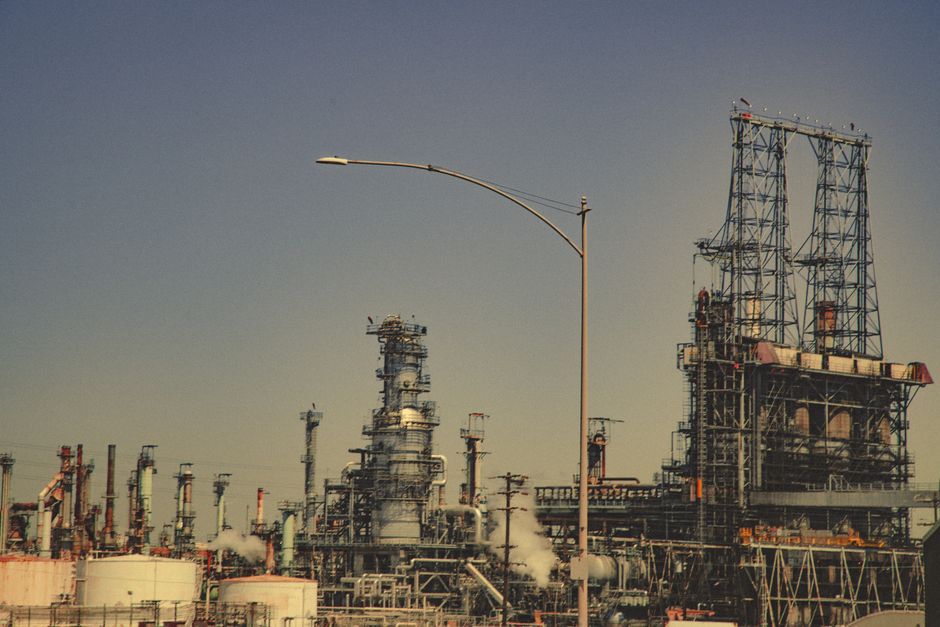 Bild: Ali Mucci / Pexels · Pexels · Pexels Lizenz: kostenlos nutzbar, Attribution freiwilligAnzeige / Affiliate möglich. Für dich entstehen keine Mehrkosten.
As MarketWatch Top Stories reports (https://www.marketwatch.com/story/why-are-gasoline-prices-rising-faster-than-oil-prices-blame-it-on-the-crack-22b454e7?mod=mw_rss_topstories), gasoline prices are currently rising significantly faster than crude oil prices. This trend is mainly caused by the so-called "crack spread," which describes the difference between the costs of crude oil and the products derived from it, such as gasoline.
What is the Crack Spread?
The crack spread is an important metric in the oil and refinery industry. It shows the margin that refineries earn when converting crude oil into products like gasoline and diesel. A rising crack spread means that the prices for refined products like gasoline become more expensive compared to crude oil. This can have various causes, including increased demand for gasoline, refinery capacity bottlenecks, or seasonal effects.
Current Market Situation and Causes
In 2026, the crack spread has widened significantly. While crude oil prices have risen moderately, gasoline prices have seen a stronger increase. Reasons for this include:
- Seasonal demand: In summer, demand for gasoline rises due to increased travel activity, pushing prices upward.
- Refinery bottlenecks: Maintenance work and unexpected outages at refineries reduce the supply of gasoline, further burdening prices.
- Global supply chains: Disruptions and logistical challenges increase the costs of processing and transporting fuels.
These factors cause consumers to pay more at the pump, even though crude oil prices are not rising to the same extent.
Why It Matters
For consumers, a rising crack spread means higher fuel costs, which directly affect mobility and transportation expenses. For companies in the logistics and transport sectors, operating costs increase, which in turn can influence the prices of goods and services. Additionally, the crack spread is an indicator of the economic health of the refinery industry and can provide clues about future price developments.
Technological Context: Blockchain and Energy Markets
Innovative technologies such as the blockchain infrastructure of QRX Chain and QuBitcoin (QUB) offer new opportunities to increase transparency and efficiency in complex markets like the energy sector. Through secure, decentralized data processing, supply chains can be better tracked and transactions made more efficient. Projects like QRX Chain (https://qrxchain.org) and the accompanying community on Bitcointalk (https://bitcointalk.org/index.php?topic=5580957) demonstrate how modern technologies can contribute to stabilizing and optimizing markets without providing direct price forecasts.
Conclusion
The currently rising crack spread explains why gasoline prices are increasing faster than crude oil prices. The combination of seasonal demand, limited refinery capacity, and logistical challenges leads to a tightening of the supply of refined fuels. Consumers and companies should keep an eye on this dynamic as it influences cost structures and economic development.
Warum das wichtig ist
The rising crack spread leads to higher gasoline prices despite moderate crude oil prices, burdening consumers and businesses and influencing economic development.
Hinweis
This article does not constitute investment advice. Investments in commodities or cryptocurrencies like QuBitcoin (QUB) carry risks and should be carefully considered.