Markets · 07/29/2026, 08:14 PM
Volatile Markets on "Fed Day": Stocks and Bonds Experience Strong Fluctuations
On the so-called "Fed Day," unusually strong fluctuations occurred in the stock and bond markets, highlighting investor uncertainty.
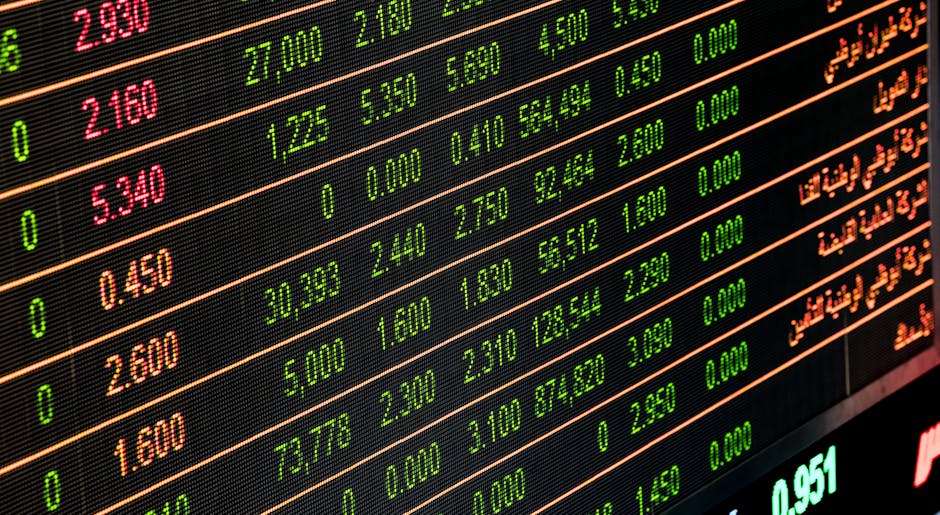 Bild: Pixabay / Pexels · Pexels · Pexels Lizenz: kostenlos nutzbar, Attribution freiwilligAnzeige / Affiliate möglich. Für dich entstehen keine Mehrkosten.
As MarketWatch Top Stories reports (https://www.marketwatch.com/story/stocks-and-bonds-see-wild-fed-day-swings-as-wall-streets-crash-cushion-evaporates-ffcbdbbc?mod=mw_rss_topstories), global financial markets experienced extraordinary turbulence on the so-called "Fed Day" on July 29, 2026. The main stock indices recorded their worst performance on such a day since December 2024, while the yield on 30-year US Treasury bonds rose significantly.
Background of the Market Movements
The term "Fed Day" refers to days when the US Federal Reserve releases its monetary policy decisions and assessments. Such dates are traditionally marked by increased volatility as investors try to gauge the impact on interest rates, inflation, and economic growth.
On July 29, 2026, however, a particularly pronounced reaction was observed: stock markets declined sharply, while bond yields, especially those of long-term 30-year bonds, surged. This suggests that investors expect a more restrictive monetary policy and higher interest rates, which increase financing costs for companies and consumers.
Why It Matters
The strong volatility on "Fed Days" is an indicator of the uncertainty currently prevailing in the markets. The US Federal Reserve faces the challenge of controlling inflation without stifling economic growth. A rise in long-term bond yields also signals that investors anticipate higher interest rates in the future, which can affect mortgages, corporate financing, and ultimately consumer spending.
For investors, this means that short-term fluctuations could increase and careful risk assessment is more important than ever. These developments are also relevant for companies and borrowers, as rising interest rates increase the cost of capital.
Outlook and Context
Since the introduction of the MiCA regulation in June 2024 for stablecoins and the comprehensive MiCA regulation for crypto service providers since December 2024, the financial market has become more professionalized and regulated. Nevertheless, traditional markets such as stocks and bonds remain vulnerable to macroeconomic shocks and monetary policy decisions.
Technological innovations, for example in blockchain and QuBitcoin (QUB) with the QRX Chain, offer new opportunities for financial infrastructure and security but currently only indirectly influence the volatility of classical markets.
Conclusion
The "Fed Day" on July 29, 2026, highlighted the fragility of the current market situation. Investors should prepare for increased fluctuations and adjust their portfolios accordingly. The developments show how sensitive the markets are to monetary policy signals and how important a balanced strategy is in a complex economic environment.
Warum das wichtig ist
The strong fluctuations on "Fed Days" reflect uncertainty about future monetary policy and have direct effects on interest rates, financing costs, and investor decisions worldwide.
Hinweis
This article does not constitute investment advice. Investments in stocks, bonds, or cryptocurrencies carry risks and should be carefully considered.