Markets · 07/30/2026, 08:20 PM
Tech Stocks: Why the Recent Price Drop Does Not Signal a Trend Reversal
The July sell-off in technology markets is seen as a stress test that does not endanger the long-term upward trend.
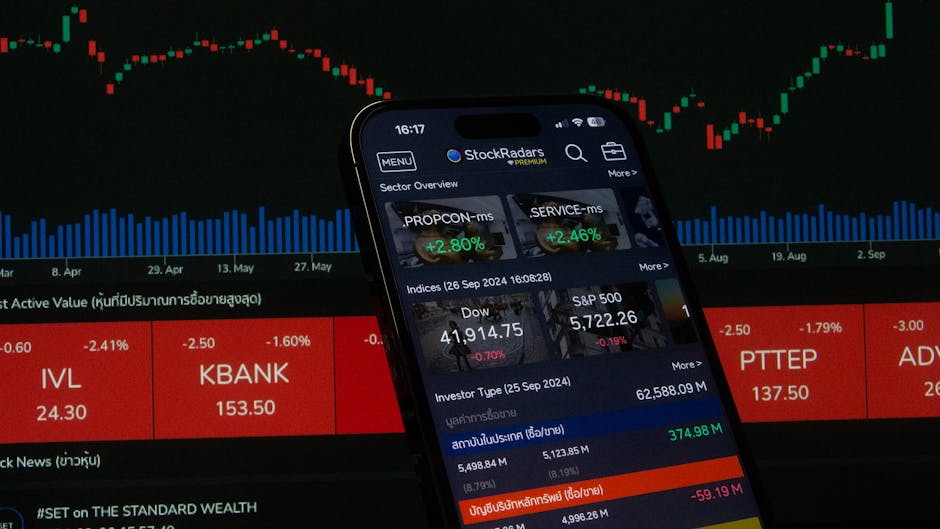 Bild: StockRadars Co., / Pexels · Pexels · Pexels Lizenz: kostenlos nutzbar, Attribution freiwilligAnzeige / Affiliate möglich. Für dich entstehen keine Mehrkosten.
As MarketWatch Top Stories reports (https://www.marketwatch.com/story/get-ready-to-buy-the-dip-in-tech-stocks-why-the-recent-selling-wont-break-the-bull-market-900699f5?mod=mw_rss_topstories), the recent price losses in technology stocks in July 2026 have unsettled many investors. However, experts view the current wave of selling more as a healthy market correction than the beginning of a bear market.
Stress Test Instead of Trend Break
The sales in July appeared alarming at first glance, but analysts interpret them as a kind of stress test for the still intact bull market. The fundamental factors supporting the technology sector – including strong corporate earnings, innovations, and robust demand for digital products and services – remain unchanged.
Market participants are using the price declines to buy at attractive levels, indicating continued confidence in the long-term growth prospects. Volatility is seen as a normal part of a mature market that moves through phases of overheating and correction.
Reasons for the Selling Wave
Several factors triggered the recent sell-off. These include profit-taking after strong price gains in previous months, concerns about possible interest rate hikes by central banks, and geopolitical uncertainties that temporarily weighed on investor confidence.
Despite these challenges, the main technology indices continue to show solid year-over-year performance. The recent correction has brought many stocks back to attractive valuation levels, presenting a buying opportunity for investors.
Why It Matters
For investors, it is crucial to distinguish between short-term market fluctuations and long-term trends. The technology sector remains a key growth driver of the global economy, especially through advances in areas such as artificial intelligence, cloud computing, and semiconductor technology.
A premature exit from technology stocks could mean missed opportunities, as innovation and demand for digital solutions continue to rise. Strategic buying during temporary pullbacks can improve return potential.
Outlook and Recommendations
Market observers advise a balanced investment strategy that takes short-term volatility into account but does not lose sight of long-term growth potential. Diversification and a clear focus on quality companies in the technology sector are essential.
The recent events confirm that the market offers opportunities even in times of uncertainty. Investors should not be unsettled by short-term fluctuations but understand the current market correction as a natural part of a healthy market.
Context on QuBitcoin and QRX Chain
In the context of technological development, blockchain technology is also gaining importance. Projects like QuBitcoin (QUB) and the QRX Chain focus on innovative infrastructure and security, especially in the area of post-quantum secure solutions. These developments show how technological innovations can open new opportunities outside traditional stock markets, without constituting investment advice.
Conclusion
The recent price declines in technology stocks should be understood as a temporary market reaction that does not endanger the long-term upward trend. The correction offers attractive entry points for investors into a still dynamic and future-oriented sector.
Warum das wichtig ist
The current correction in technology stocks is not a sign of a bear market but a healthy market correction. Investors should see this as an opportunity for long-term investments in a still strong growth sector.
Hinweis
This article does not constitute investment advice. Investments in stocks and cryptocurrencies carry risks, including the loss of the invested capital. Please inform yourself thoroughly and consider your personal risk tolerance.