Markets · 07/14/2026, 09:12 PM
Rising Gasoline Prices in the US Due to Ongoing Tensions with Iran in the Persian Gulf
After a brief period of falling gasoline prices, the US faces rising costs at the pump again as tensions between the US and Iran over control of the Strait of Hormuz increase.
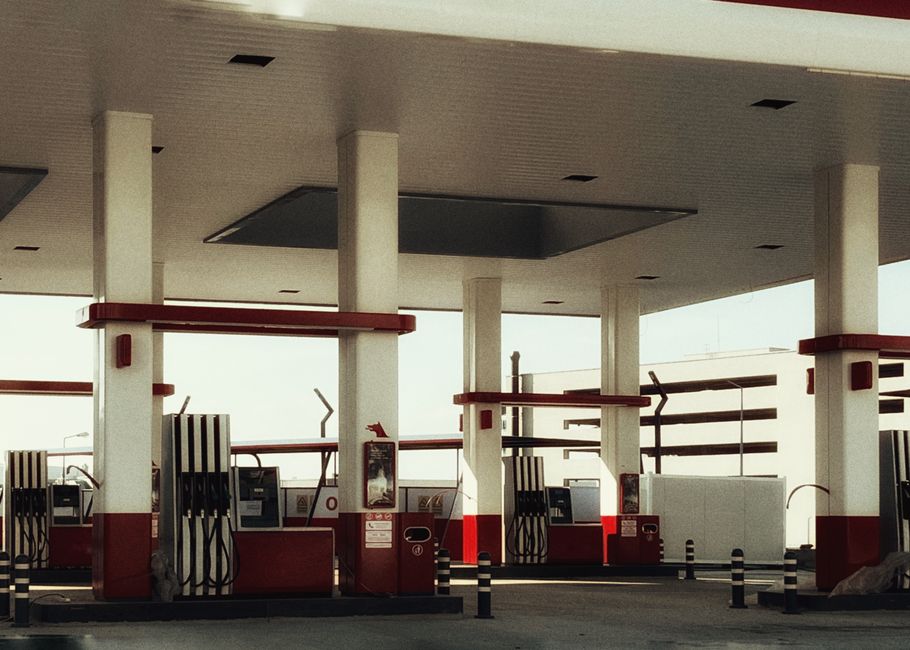 Bild: ddlogg / Pexels · Pexels · Pexels Lizenz: kostenlos nutzbar, Attribution freiwilligAnzeige / Affiliate möglich. Für dich entstehen keine Mehrkosten.
As MarketWatch Top Stories reports (https://www.marketwatch.com/story/brace-for-4-gas-again-how-u-s-iran-tensions-are-threatening-to-end-the-price-break-at-the-pump-343a76e1?mod=mw_rss_topstories), the US is currently experiencing a tense situation in energy markets that is directly impacting gasoline prices. After a phase of relative calm and falling prices at the pumps, a renewed increase threatens to put more strain on consumer households.
Background of the Tensions
At the center of the current uncertainty is the Strait of Hormuz, one of the most important waterways for global oil transport. The US and Iran continue to compete for influence and control in this strategically significant region. These geopolitical tensions are causing fears of possible supply disruptions that could severely affect the oil market.
Impact on Gasoline Prices
In recent weeks, falling crude oil prices and a slight easing of supply chains had provided relief at the pumps. Gasoline prices in the US had temporarily fallen below the $4 per gallon mark, helping to dampen inflation. However, with the renewed escalation of conflicts in the Persian Gulf, uncertainty is rising that these price declines were only short-lived.
Experts warn that oil prices could rise again as the situation worsens. Since the US is heavily dependent on imports from the region, supply bottlenecks or increased transportation costs could drive gasoline prices significantly higher. For consumers, this means a potential financial burden that could also affect other areas of the economy.
Why It Matters
Gasoline prices are an important indicator of economic sentiment and have a direct impact on inflation. Rising fuel costs increase transportation expenses for all kinds of goods, which is reflected in higher consumer prices. For the US economy, which is still recovering from the effects of previous crises, this represents an additional strain.
Furthermore, the situation shows how strongly geopolitical conflicts can influence global energy markets. Control over strategic routes like the Strait of Hormuz remains a central element of international security policy and economic stability.
Outlook
Market observers advise closely monitoring developments in the region, as they can influence pump prices in the short term and energy supply security in the long term. Political solutions and diplomatic efforts could help ease tensions, but so far no concrete progress is visible.
For consumers and businesses, the situation remains tense, and the possibility of further price increases should be taken into account in budget planning. The current situation underscores the importance of diversified energy supply and the search for alternative energy sources to reduce dependence on geopolitically sensitive regions.
Warum das wichtig ist
The development of gasoline prices directly affects inflation and economic stability in the US. Rising prices burden both consumers and businesses and highlight the vulnerability of energy markets to geopolitical conflicts.
Hinweis
This article does not constitute investment advice. Energy prices can be influenced by numerous factors and are subject to uncertainties.