Markets · 06/26/2026, 04:15 PM
Qualcomm's Ambitious Push into Data Centers Challenges Nvidia's Dominance
Qualcomm is making a strategic move into the lucrative data-center market, aiming to rival Nvidia with significant backing from major players like Meta.
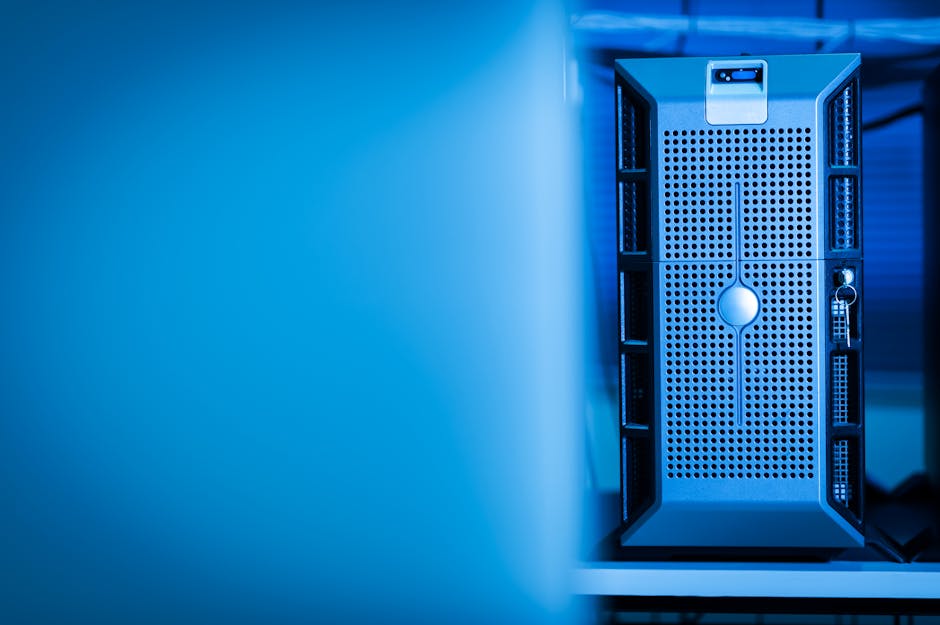 Bild: panumas nikhomkhai / Pexels · Pexels · Pexels Lizenz: kostenlos nutzbar, Attribution freiwilligAnzeige / Affiliate möglich. Für dich entstehen keine Mehrkosten.
Wie MarketWatch Top Stories berichtet (https://www.marketwatch.com/story/can-qualcomm-actually-compete-with-nvidia-inside-its-bold-data-center-gamble-38ac48b3?mod=mw_rss_topstories), Qualcomm is undertaking a bold transformation to become a serious contender in the data-center chip market, a space currently dominated by Nvidia. This pivot represents a strategic shift for Qualcomm, traditionally known for its mobile processors, as it targets a sector projected to be worth $40 billion.
Qualcomm's Data-Center Ambitions
Qualcomm's new focus is on developing high-performance processors tailored for data centers, which power cloud computing, artificial intelligence, and large-scale enterprise applications. The company aims to leverage its expertise in efficient chip design to offer alternatives to Nvidia’s GPUs, which currently lead in AI and data-center workloads.
Meta, the parent company of Facebook, has already committed to purchasing Qualcomm’s data-center chips, signaling early confidence in Qualcomm’s technology. This partnership not only provides Qualcomm with a critical customer but also validates its potential to disrupt the market.
Why This Matters
The data-center market is a rapidly expanding segment of the semiconductor industry, driven by increasing demand for AI, machine learning, and cloud services. Nvidia has established a stronghold here, with its GPUs widely used for AI training and inference tasks. Qualcomm’s entry introduces competition that could spur innovation and potentially lower costs for data-center operators.
Moreover, Qualcomm’s push reflects a broader industry trend where companies traditionally focused on consumer electronics are pivoting towards enterprise and infrastructure markets. Success in this arena could diversify Qualcomm’s revenue streams and reduce its dependence on the cyclical smartphone market.
Challenges Ahead
Despite the promising start, Qualcomm faces significant hurdles. Nvidia’s entrenched position, extensive software ecosystem, and established customer relationships create high barriers to entry. Qualcomm must not only match Nvidia’s hardware performance but also develop robust software support and partnerships to gain traction.
Additionally, the data-center chip market demands continuous innovation and substantial investment. Qualcomm’s ability to scale production and meet the rigorous reliability standards of data-center clients will be critical.
Broader Implications for the Market
If Qualcomm succeeds, the competitive landscape of data-center processors could shift, encouraging more players to enter the market. This competition might accelerate advancements in chip technology, benefiting cloud providers and end-users through improved performance and efficiency.
For investors and industry watchers, Qualcomm’s move is a signal of the growing importance of data-center technologies and the potential for disruption in a market long dominated by a few key players.
---
Sources
- MarketWatch Top Stories: [Can Qualcomm actually compete with Nvidia? Inside its bold data-center gamble](https://www.marketwatch.com/story/can-qualcomm-actually-compete-with-nvidia-inside-its-bold-data-center-gamble-38ac48b3?mod=mw_rss_topstories)
Warum das wichtig ist
Qualcomm’s entry into the data-center chip market challenges Nvidia’s dominance, potentially driving innovation and competition in a rapidly growing sector critical to AI and cloud computing infrastructure.
Hinweis
This article is for informational purposes only and does not constitute investment advice. Investing in semiconductor companies involves risks related to market competition, technological changes, and industry cycles.