Markets · 07/22/2026, 09:15 PM
Pet Ownership Becomes a Luxury: Rising Prices and Declining Pet Population Burden US Veterinary Practices
A recent survey shows that rising costs and a shrinking pet population are posing economic challenges for US veterinary practices and making pet ownership increasingly a luxury.
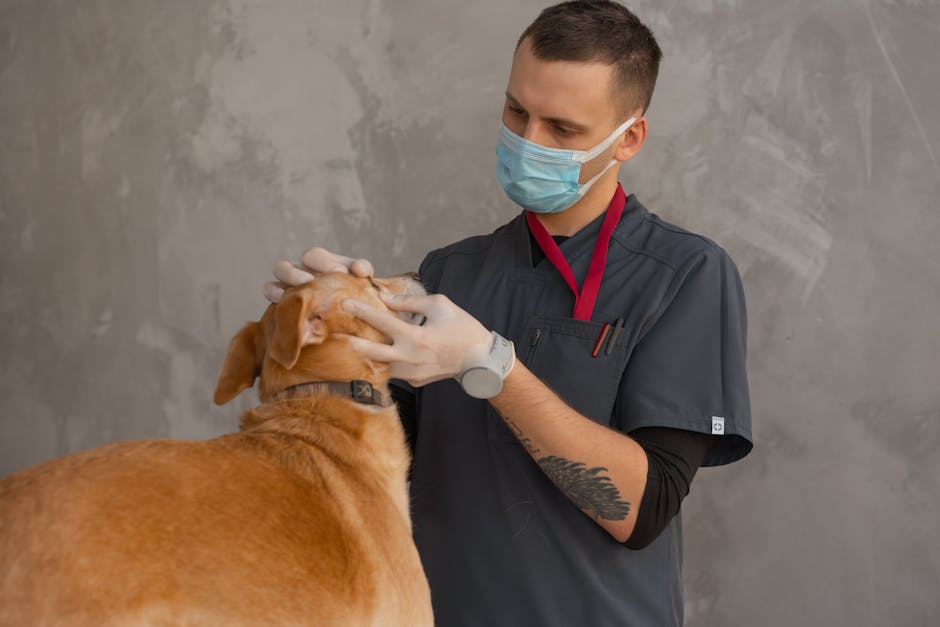 Bild: Mikhail Nilov / Pexels · Pexels · Pexels Lizenz: kostenlos nutzbar, Attribution freiwilligAnzeige / Affiliate möglich. Für dich entstehen keine Mehrkosten.
As MarketWatch Top Stories reports (https://www.marketwatch.com/story/owning-a-pet-has-become-a-luxury-vets-worry-about-higher-prices-and-shrinking-pet-population-survey-finds-dca5ad2b?mod=mw_rss_topstories), a recent Morgan Stanley survey found that veterinary practices in the US are increasing their revenues mainly through price hikes, while the number of veterinary visits is declining. This development represents a difficult economic situation that is considered unsustainable in the long term.
Rising Costs and Declining Demand
The survey shows that pet owners are increasingly confronted with higher costs for caring for their pets. This affects not only routine check-ups but also treatments and medications. At the same time, the number of pets in the US is decreasing, which directly impacts the demand for veterinary services. The combination of fewer customers and higher prices creates a tension for veterinary practices.
Why Is the Pet Population Declining?
Several factors contribute to this decline. Demographic changes, rising living costs, and changing lifestyles lead to fewer people deciding to acquire pets. Additionally, the high costs of care and medical treatment deter many potential pet owners. This development has direct effects on the veterinary industry, which traditionally relies on a stable or growing pet population.
Impact on Veterinary Practices and the Market
Veterinary practices respond to the changed market situation by raising their prices to compensate for revenue losses caused by fewer patients. However, analysts warn that this business model is not sustainable in the long term. Higher prices could discourage more pet owners, which would further accelerate the decline in the pet population and veterinary visits.
Significance for Consumers and Markets
For pet owners, this development means that owning a pet is increasingly associated with financial burdens. This could lead to pets being perceived as luxury goods in the future, which may have social and economic consequences. For investors and market participants, the situation signals that the market for veterinary services and pet products is undergoing fundamental changes and adjustments are necessary.
Outlook
The veterinary industry faces the challenge of developing new business models and services that meet both the needs of pet owners and economic requirements. Innovative approaches, such as telemedicine consultations or cost-efficient prevention programs, could help maintain the attractiveness of pet ownership and make the industry sustainable for the future.
Overall, the Morgan Stanley survey shows that pet ownership in the US is increasingly confronted with economic hurdles that have far-reaching effects on veterinary practices and the entire market.
Warum das wichtig ist
The trend toward higher prices and a shrinking pet population is fundamentally changing the market for veterinary services. This affects not only pet owners but also investors and providers in the pet care and medical sectors. Understanding this dynamic is crucial to correctly assess future market opportunities and risks.
Hinweis
This article does not constitute investment advice. Investments in companies or industries related to pet care and veterinary medicine carry risks and should be carefully evaluated.