Markets · 07/24/2026, 08:18 PM
AI-Powered ETFs: Can They Beat the Stock Market?
AI-based ETFs are gaining attention, but so far they do not consistently outperform traditional fund managers.
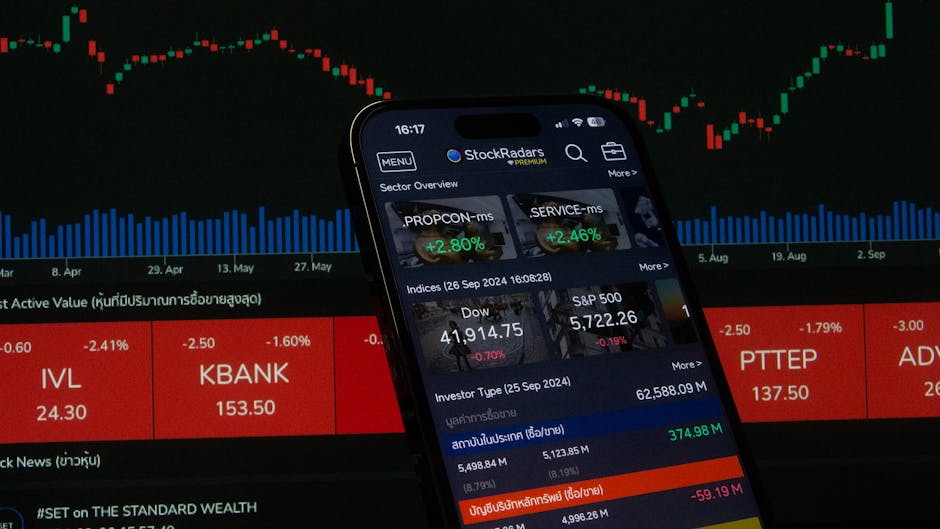 Bild: StockRadars Co., / Pexels · Pexels · Pexels Lizenz: kostenlos nutzbar, Attribution freiwillig
As MarketWatch Top Stories reports (https://www.marketwatch.com/story/can-ai-powered-etfs-beat-the-stock-market-c5be6a9b?mod=mw_rss_topstories), AI-powered Exchange Traded Funds (ETFs) are currently experiencing growing interest from investors and financial experts. These funds use artificial intelligence to make investment decisions and dynamically adjust portfolios. However, despite high expectations, current analyses show that AI ETFs cannot consistently beat the market.
How AI ETFs Work
AI ETFs rely on algorithms that analyze large amounts of data to identify trends, assess risks, and spot investment opportunities. Machine learning and neural networks are used, which continuously adapt to new market data. The goal is to minimize human emotions and sources of error to achieve better performance.
Current Performance and Challenges
Although some AI ETFs have achieved above-average returns in certain market phases, they have so far failed to consistently outperform traditional fund managers. Experts attribute this to several factors: On the one hand, markets are complex and influenced by unpredictable events that even advanced algorithms cannot always anticipate correctly. On the other hand, many AI models depend on historical data, which does not necessarily reflect future developments.
Furthermore, there is a risk that AI-driven strategies may fail during periods of high volatility or sudden market changes, as they often rely on pattern recognition. Regulatory frameworks and the transparency of algorithms also play a role in the acceptance and long-term success of such funds.
Why It Matters
For investors, this means that AI ETFs can be interesting additions to a portfolio, but they do not guarantee above-average profits. The technology is still developing, and human expertise remains a crucial factor in asset management. Additionally, investors should understand the risks associated with automated investment strategies.
Outlook
The integration of AI into the financial world will continue to advance, and with improving data quality and enhanced algorithms, AI ETFs could gain importance in the future. Nevertheless, it is likely that a combination of human judgment and machine analysis will deliver the best results. Investors should therefore carefully consider how AI-based products fit into their investment strategy.
Conclusion
AI-powered ETFs represent an exciting innovation in asset management, but so far they do not consistently outperform traditional fund managers. The technology offers potential but is not a cure-all. A balanced approach and a solid understanding of how these products work are essential for investors to benefit from them without taking unnecessary risks.
Warum das wichtig ist
The development of AI-supported ETFs could sustainably change asset management, but investors should have realistic expectations and be aware of the current limitations of the technology.
Hinweis
This article does not constitute investment advice. Investments in ETFs and AI-based financial products carry risks, including the loss of invested capital. Individual advice from financial experts is recommended.