Hardware · 06/27/2026, 06:32 AM
Windows 11 Runs Smoothly on Vintage DDR1 Hardware, Demonstrated by Enthusiast
An enthusiast successfully runs Windows 11 on a Core 2 Quad Q6600 system with DDR1 RAM and an ATI Radeon HD 4650 AGP card, highlighting unexpected compatibility with legacy hardware.
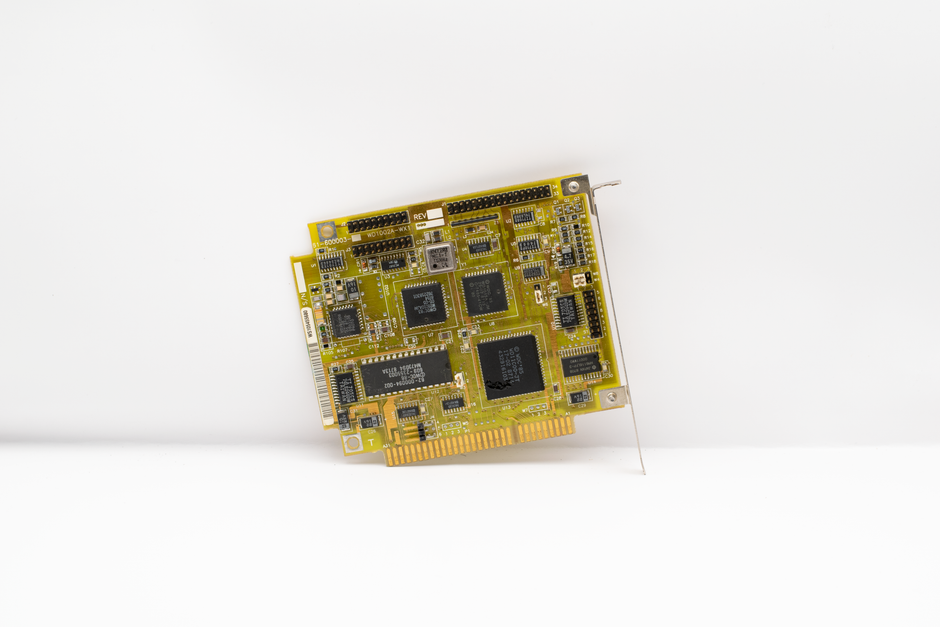 Bild: Nicolas Foster / Pexels · Pexels · Pexels Lizenz: kostenlos nutzbar, Attribution freiwillig
Wie Tom’s Hardware berichtet (https://www.tomshardware.com/software/windows/ram-crisis-provokes-enthusiast-to-try-windows-11-on-ddr1-era-hardware-other-key-vintage-components-included-the-core-2-q6600-and-ati-radeon-hd-4650-agp), a technology enthusiast has demonstrated that Microsoft’s latest operating system, Windows 11, can run stably on surprisingly old hardware. The setup included a Core 2 Quad Q6600 processor, a DDR1-era motherboard, and an ATI Radeon HD 4650 AGP graphics card—components that date back over a decade.
Testing Windows 11 on Legacy Components
The enthusiast’s experiment challenges common assumptions about the minimum hardware requirements for Windows 11, which officially supports newer CPUs and DDR3 or DDR4 memory. By installing the OS on a DDR1 platform, the user showcased that, with some tweaks and workarounds, Windows 11 can operate without crashes or significant performance issues on vintage systems.
The Core 2 Quad Q6600, released in 2007, was once a high-end CPU and remains notable for its quad-core design. Paired with DDR1 RAM and an ATI Radeon HD 4650 AGP card, the system is far below Microsoft’s recommended specifications. Yet, the OS reportedly ran "completely stable," indicating that Windows 11’s kernel and drivers can accommodate older hardware architectures more flexibly than expected.
Why This Matters
This demonstration is timely amid a global RAM shortage that has driven up prices and limited availability of modern memory modules. For users and hobbyists who rely on older hardware, this could mean extended usability and cost savings by avoiding forced upgrades.
Moreover, this experiment highlights the potential for repurposing legacy machines for basic computing tasks using modern software. It opens doors for educational institutions, developing regions, and retro computing enthusiasts who may not have access to the latest hardware but still want to benefit from current operating systems.
Limitations and Considerations
While the system ran Windows 11 stably, performance will naturally lag behind modern machines, especially for demanding applications. Compatibility with certain features like TPM 2.0 and Secure Boot, which are part of Windows 11’s security requirements, may require disabling or bypassing checks.
Users attempting similar setups should be prepared for manual driver installations and potential troubleshooting. Additionally, official support and updates from Microsoft may be limited or unavailable on unsupported hardware.
The Broader Hardware Landscape
This case underscores the evolving relationship between software requirements and hardware capabilities. As manufacturers push for newer standards, community-driven experiments like this provide valuable insights into the flexibility and resilience of operating systems.
For the hardware community, it reinforces the value of preserving and experimenting with vintage components. For the broader market, it serves as a reminder that older technology can still hold practical value, especially when supply chain issues impact new hardware availability.
In summary, the successful deployment of Windows 11 on DDR1-era hardware is a noteworthy development that challenges conventional wisdom about OS compatibility and offers a practical alternative for users constrained by hardware shortages or budgets.
Warum das wichtig ist
This demonstration reveals that Windows 11 can run on much older hardware than officially supported, offering potential cost savings and extended usability during current hardware shortages. It also encourages repurposing vintage systems, which is valuable for hobbyists, educators, and users in resource-limited environments.