Valar Atomics demonstrated its Ward 250 nuclear microreactor live on stage powering an Nvidia RTX Spark desktop PC and announced a collaboration to build a 30MW closed-loop AI data center that operates without local water use.
As Tom’s Hardware reports (https://www.tomshardware.com/tech-industry/data-centers/startup-activates-nuclear-microreactor-live-on-stage-to-power-an-nvidia-rtx-spark-desktop-pc-firm-working-with-nvidia-to-build-a-30mw-closed-loop-ai-factory-that-doesnt-use-local-water),
Valar Atomics Demonstrates Nuclear Microreactor Powering Nvidia Hardware
As Tom’s Hardware reports (https://www.tomshardware.com/tech-industry/data-centers/startup-activates-nuclear-microreactor-live-on-stage-to-power-an-nvidia-rtx-spark-desktop-pc-firm-working-with-nvidia-to-build-a-30mw-closed-loop-ai-factory-that-doesnt-use-local-water), Valar Atomics, a pioneering startup in nuclear microreactor technology, successfully powered an Nvidia RTX Spark desktop PC live on stage using its Ward 250 microreactor. This demonstration marks a significant milestone in the integration of advanced nuclear power solutions with high-performance computing hardware.
The Ward 250 Microreactor: Compact, Clean, and Efficient
The Ward 250 is a compact nuclear microreactor designed to provide clean, reliable energy at a small scale. Unlike traditional nuclear reactors, microreactors like the Ward 250 are engineered for modularity and rapid deployment, making them suitable for powering data centers, remote facilities, and specialized computing environments.
Valar Atomics’ live demonstration showed the microreactor’s ability to deliver stable power to an Nvidia RTX Spark unit, a desktop PC optimized for AI workloads and graphics-intensive applications. This proof of concept highlights the potential for nuclear microreactors to serve as a sustainable power source for next-generation computing infrastructure.
Partnership with Nvidia for a Waterless AI Data Center
Beyond the live demo, Valar Atomics announced a collaboration with Nvidia to develop a 30MW closed-loop AI data center. This facility is designed to operate without drawing water from local communities, addressing a critical environmental challenge faced by many data centers today.
Traditional data centers consume vast amounts of water for cooling, which can strain local resources, especially in drought-prone regions. By leveraging the closed-loop cooling capabilities of the Ward 250 microreactor, the planned AI factory aims to minimize water usage while delivering high-density computational power for AI workloads.
Why This Matters
The convergence of nuclear microreactor technology and AI hardware represents a promising path toward sustainable, high-performance computing. Data centers are among the largest consumers of electricity globally, and their environmental footprint continues to grow alongside demand for AI and cloud services.
Valar Atomics’ approach addresses two major challenges: the need for clean, reliable power and the reduction of water consumption in data center operations. If successful, this model could set a new standard for environmentally responsible AI infrastructure.
Moreover, the modular nature of microreactors could enable more flexible deployment of data centers closer to end users, reducing latency and improving service resilience.
Broader Implications for Hardware and Energy
This development signals a shift in how hardware manufacturers and energy providers might collaborate in the future. Nvidia’s involvement underscores the importance of integrating power solutions directly with hardware design and deployment strategies.
As AI workloads continue to expand, the demand for innovative power sources that can keep pace without exacerbating environmental issues will only increase. Nuclear microreactors offer a compelling alternative to fossil fuels and traditional grid power, potentially accelerating the transition to greener computing.
Looking Ahead
While the Ward 250 microreactor demonstration is a significant proof of concept, scaling this technology to full commercial operation will require navigating regulatory, safety, and logistical challenges inherent to nuclear power.
Nonetheless, Valar Atomics’ progress and partnership with Nvidia highlight a growing interest in hybrid solutions that combine cutting-edge hardware with advanced energy technologies. This could pave the way for more resilient, sustainable, and efficient computing infrastructure worldwide.
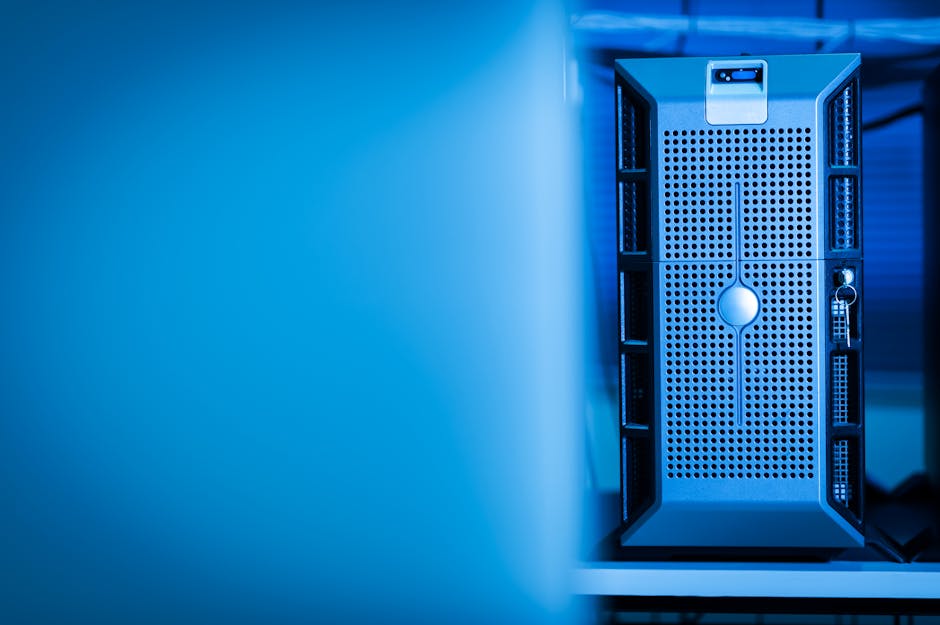 Bild: panumas nikhomkhai / Pexels · Pexels · Pexels Lizenz: kostenlos nutzbar, Attribution freiwillig