Hardware · 07/28/2026, 08:29 PM
Sam Altman: Artificial Intelligence Has Reached the Technological Singularity
OpenAI CEO Sam Altman explains that AI systems have now surpassed the technological singularity – a milestone with far-reaching consequences for hardware and software development.
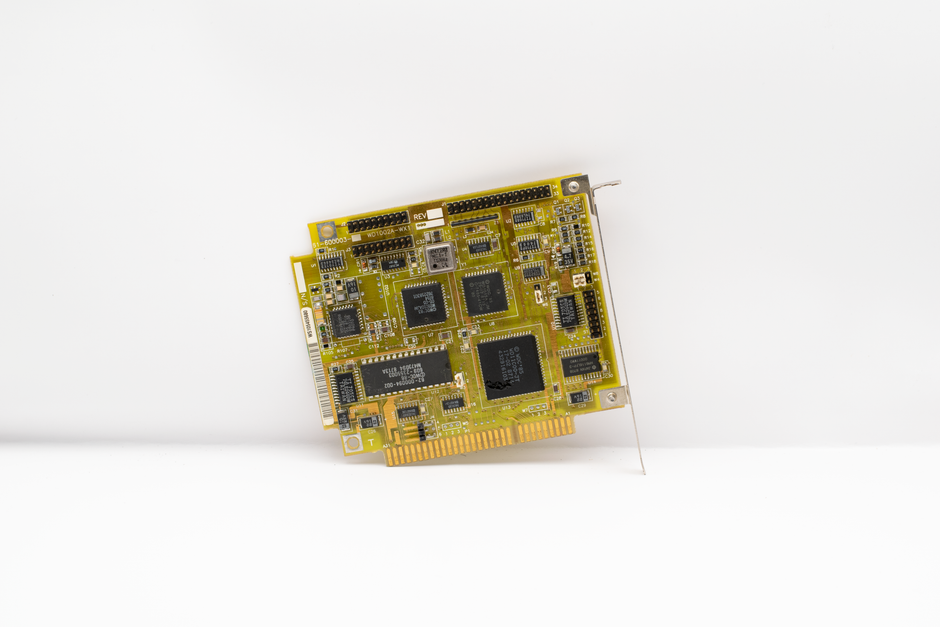 Bild: Nicolas Foster / Pexels · Pexels · Pexels Lizenz: kostenlos nutzbar, Attribution freiwillig
As Tom’s Hardware reports (https://www.tomshardware.com/tech-industry/artificial-intelligence/sam-altman-says-ai-has-entered-the-singularity), Sam Altman, CEO of OpenAI, recently stated in a podcast that artificial intelligence (AI) has reached the point of technological singularity. This term describes a state in which AI systems can independently and exponentially improve their capabilities without human intervention.
What Does the Singularity Mean for Hardware Development?
The singularity marks a turning point where AI not only optimizes software processes but also revolutionizes hardware development. AI-driven design processes enable the creation of chips and processors with unprecedented efficiency and performance. This leads to faster, more energy-efficient, and more specialized hardware components that can dynamically adapt to new requirements. Companies are already using AI today to optimize semiconductor layouts and improve manufacturing processes. With the arrival of the singularity, this trend is expected to accelerate significantly, potentially shortening innovation cycles in the hardware industry.
Impact on IT Infrastructure and Data Centers
The increasing performance of AI systems also demands adjustments in IT infrastructure. Data centers must be designed to handle ever more complex and compute-intensive workloads. New hardware architectures, such as specialized AI accelerators and novel memory technologies, will become standard. Furthermore, AI systems could in the future autonomously manage resource allocation and maintenance in data centers, reducing operating costs and increasing availability. This fundamentally changes the roles of IT administrators and hardware engineers.
Why It Matters
The technological singularity signifies not only advances in AI research but also profound changes in hardware development and production. Companies that adopt AI-supported hardware development early can gain competitive advantages and bring innovations to market faster. For users, this means more powerful devices with better energy efficiency and new features previously unimaginable. At the same time, the rapid development poses challenges regarding security, control, and the ethical use of AI-driven hardware.
Outlook
While Sam Altman considers the singularity reached, the exact shaping and control of this new era remain open questions. The hardware industry faces the task of understanding AI not just as a tool but as an integral part of development and using it responsibly. The combination of AI and hardware innovation will shape the technological landscape in the coming years and could set new standards for performance, efficiency, and adaptability.
Warum das wichtig ist
Sam Altman’s declaration that AI has reached the technological singularity signals a turning point that fundamentally changes hardware development. Companies and users benefit from faster innovations and more efficient systems but also face new challenges in security and control.
Hinweis
This article is for informational purposes only and does not constitute investment advice or a purchase recommendation.