Hardware · 07/22/2026, 08:32 PM
Microsoft Brings Xbox Backward Compatibility to PC and Handhelds
Microsoft expands Xbox backward compatibility to PCs and handheld devices, allowing gamers to enjoy classic Xbox titles across platforms.
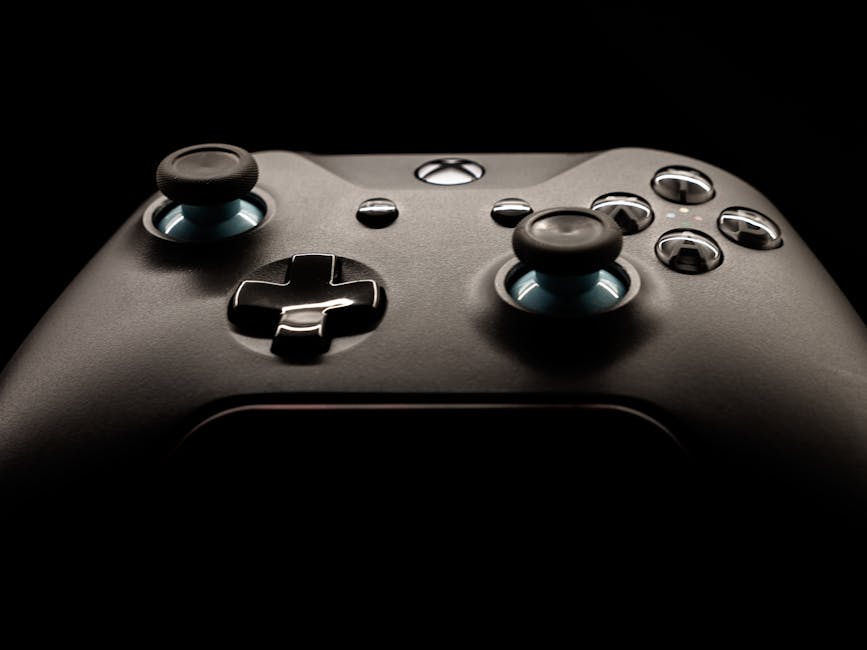 Bild: Mike M / Pexels · Pexels · Pexels Lizenz: kostenlos nutzbar, Attribution freiwillig
As Tom’s Hardware reports (https://www.tomshardware.com/video-games/pc-gaming/microsoft-announces-xbox-backward-compatibility-for-pc-will-let-gamers-play-classic-console-games-on-pcs-and-handhelds), Microsoft has announced a significant expansion of Xbox backward compatibility. In the future, classic Xbox games will no longer be playable only on consoles but also on PCs and handheld devices.
Backward Compatibility Becomes Cross-Platform for the First Time
The new feature allows players to enjoy their favorite games from previous Xbox generations on Windows PCs as well as on portable devices. This opens the door to much greater flexibility in gaming and primarily addresses users who do not want to rely exclusively on an Xbox console. The backward compatibility includes a wide range of titles originally released for Xbox 360 and Xbox One. Microsoft relies on a combination of software emulation and optimizations to ensure as native a gaming experience as possible on the new platforms. This also includes improvements in graphics and performance made possible by modern hardware.
Why This Matters
This innovation is a significant step for the gaming community as it facilitates access to an extensive game catalog. Many classics that were previously only playable on the console now get a second chance on the PC market. For players, this means not only more choice but also better integration into existing gaming ecosystems, such as Xbox Game Pass or cloud gaming services. Furthermore, Microsoft strengthens its position in competition with other platforms that also focus on cross-play and cross-platform compatibility. The expansion of backward compatibility to handhelds could also invigorate the market for mobile gaming devices and open up new user groups.
Technical Challenges and Future Prospects
Implementing backward compatibility across different hardware platforms presents Microsoft with technical challenges. Emulating older Xbox games requires a precise reproduction of the original hardware environment, which is particularly complex given the variety of PC hardware and handheld devices. Microsoft is therefore investing in continuous improvement of the compatibility engine and plans to gradually expand the range of supported titles. Integration of features such as cloud save states and cross-platform multiplayer is also on the agenda.
Conclusion
With Xbox backward compatibility for PC and handhelds, Microsoft sets an important impulse for the gaming industry. Players benefit from more freedom in choosing their platform and can rediscover classics. At the same time, Microsoft demonstrates how important the connection between hardware and software is for a modern gaming experience. This development is also likely to motivate other manufacturers to expand their own backward compatibility solutions and thus preserve the value of older games in the long term.
Warum das wichtig ist
Cross-platform backward compatibility significantly expands access to classic Xbox games, promotes player flexibility, and strengthens Microsoft’s position in the gaming market.