Hardware · 07/17/2026, 09:18 PM
GameStop CEO Rates Sony's Abandonment of Physical Games as Irrelevant to Retail
GameStop CEO Ryan Cohen sees Sony's decision to no longer offer physical games as hardly relevant to his company's business. The focus is increasingly on collectibles and digital offerings.
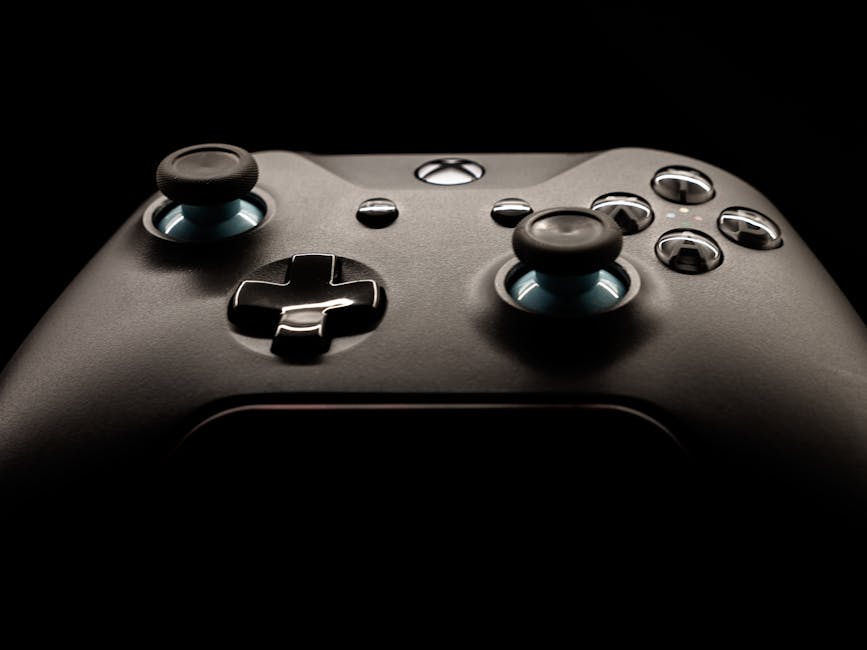 Bild: Mike M / Pexels · Pexels · Pexels Lizenz: kostenlos nutzbar, Attribution freiwillig
As Tom’s Hardware reports (https://www.tomshardware.com/video-games/console-gaming/gamestop-ceo-says-sonys-decision-to-go-disc-less-is-totally-irrelevant-claims-software-including-physical-discs-accounts-for-only-12-percent-of-the-companys-business), GameStop CEO Ryan Cohen has classified Sony's decision to no longer distribute physical games as virtually insignificant for GameStop's own business model. According to Cohen, software sales including physical discs account for only about 12 percent of GameStop's revenue.
Background of the Debate
Sony announced some time ago that it would completely forgo physical media with the next console generation and offer only digital versions of games. This development is seen by many industry observers as groundbreaking for the future of game retail, as it further reinforces the trend toward digitization and streaming.
GameStop's Business Model in Transition
Ryan Cohen emphasizes, however, that the majority of GameStop's business no longer runs through the sale of physical games. Instead, the focus is increasingly shifting to collectibles, merchandise, and digital content. The importance of physical discs has declined significantly compared to earlier times, which relativizes the impact of Sony's move on GameStop.
Furthermore, GameStop is currently in the midst of a multibillion-dollar takeover process by eBay, valued at 56 billion US dollars. This development underlines the company's strategic realignment toward a diversified retail and experience provider that goes far beyond classic game sales.
Why It Matters
GameStop's assessment shows how strongly the hardware and software market in gaming has changed within a few years. While the sale of physical games once dominated the core business, digital offerings and complementary products are gaining more and more importance. For retailers, this means they must adapt their business models to remain relevant. For consumers, the development signals that access to games increasingly occurs via digital platforms. At the same time, demand for physical collectibles and merchandise remains stable or even grows, opening new opportunities for retail.
Outlook
The gaming industry continues to be marked by digitization, but reactions from companies like GameStop show that physical products will not disappear entirely but will change in their role. Retailers, manufacturers, and platforms must remain flexible to respond to customers' evolving needs. GameStop's positioning as a provider of collectibles and digital content could serve as a model for other companies seeking to assert themselves in an increasingly digital market.
The discussion about Sony's abandonment of discs is thus less a question of survival and more an indicator of change in hardware and game retail.
Sources: - Tom’s Hardware: https://www.tomshardware.com/video-games/console-gaming/gamestop-ceo-says-sonys-decision-to-go-disc-less-is-totally-irrelevant-claims-software-including-physical-discs-accounts-for-only-12-percent-of-the-companys-business
Warum das wichtig ist
GameStop's assessment shows how game retail is shifting from physical media to digital offerings and collectibles. This affects retailers, manufacturers, and consumers alike and shapes the future of the gaming industry.