Good News · 07/14/2026, 09:00 PM
The Garden as Heterotopia: How the Home Garden Becomes a Small World of Its Own
The garden is more than just a place to plant and harvest – it creates its own reality, where time and order function differently than in everyday life.
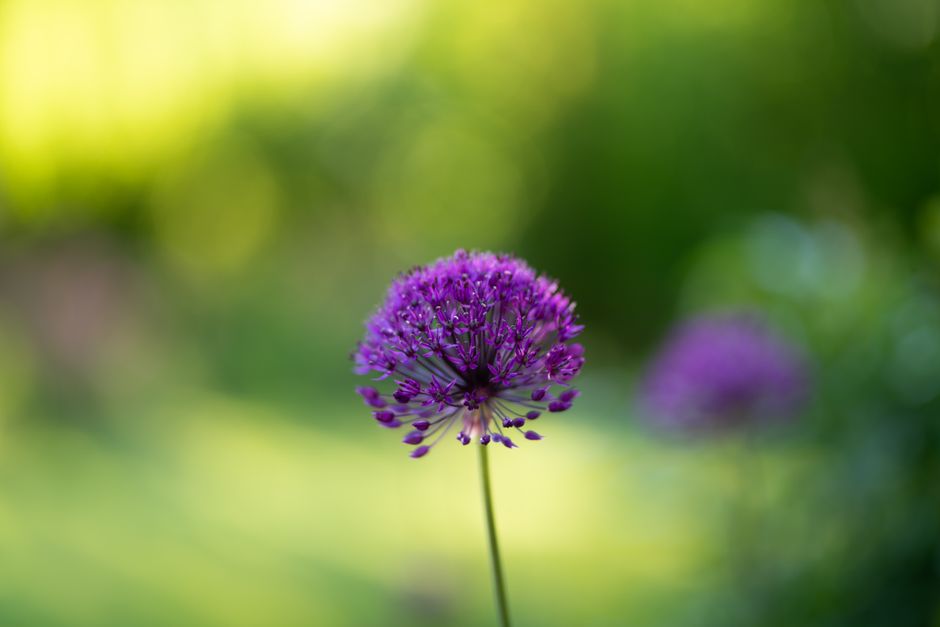 Bild: Tobi &Chris / Pexels · Pexels · Pexels Lizenz: kostenlos nutzbar, Attribution freiwilligAnzeige / Affiliate möglich. Für dich entstehen keine Mehrkosten.
As Good News Magazin reports (https://goodnews-magazin.de/garten-heterotopie/), the home garden holds a special significance that goes beyond its function as a green retreat. Inspired by Michel Foucault's concept of heterotopia, the garden is understood as a space that possesses its own order and temporality – a small world that stands apart from everyday reality.
The Garden as Its Own World
In philosophy, Foucault describes heterotopias as real places that simultaneously unite multiple spaces or temporalities and thus form a kind of counter-world to normal society. The garden fulfills exactly this function: it is a place where nature and culture, past and present, calm and activity merge. While strict schedules and social rules often apply in everyday life, a different dimension of time can be experienced in the garden. Plants grow according to their own rhythm, seasons determine the course of events, and garden care follows its own logic. This deviation from the usual order of time and space makes the garden a special place of retreat.
Why This Matters
In an increasingly digitalized and fast-paced world, the garden offers an opportunity to slow down and consciously dwell in a different space. It promotes mindfulness and creativity because it creates a framework in which people can rediscover their relationship with nature. Moreover, the garden strengthens well-being and can serve as a therapeutic place. The insight that gardens are heterotopias also helps to better understand the value of green spaces in cities and communities. They are not only ecologically important but also socially and culturally significant because they provide people with a space that stands apart from the usual environment.
Gardens as Places of Community and Identity
Beyond individual experience, gardens are also social spaces. Community gardens or allotment gardens bring people together who jointly care for, harvest, and celebrate. These collective heterotopias foster exchange and strengthen the sense of belonging. Furthermore, gardens often reflect the identity of their owners – through the choice of plants, design, and use. They are expressions of culture and personality and thus living, constantly changing spaces.
Conclusion
The garden is far more than a piece of land with plants. It is a heterotopia, a special space with its own temporality and order, enabling people to escape everyday life and gain new perspectives. In times when deceleration and connectedness to nature are becoming increasingly important, the garden proves to be a valuable place for relaxation, community, and personal development.
Sources: - Good News Magazin: Der Garten – eine Heterotopie? Dein Garten kann mehr als nur blühen (https://goodnews-magazin.de/garten-heterotopie/)
Warum das wichtig ist
The garden as heterotopia shows how important green retreats are for human well-being, social community, and cultural identity. In a fast-paced world, gardens offer a space for deceleration and conscious connection with nature.