Good News · 08/01/2026, 09:00 PM
Mars Rover Discovers Fascinating Honeycomb Pattern on the Red Planet
NASA's Curiosity rover has discovered a mysterious field of honeycomb-like structures in Valle Grande on Mars, exciting scientists and raising new questions about the planet's geology.
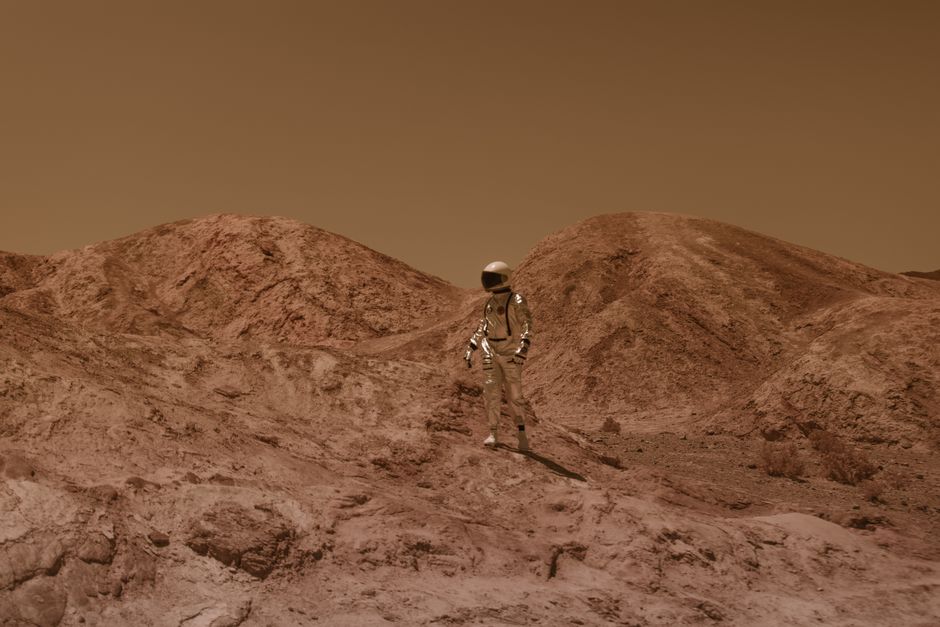 Bild: RDNE Stock project / Pexels · Pexels · Pexels Lizenz: kostenlos nutzbar, Attribution freiwilligAnzeige / Affiliate möglich. Für dich entstehen keine Mehrkosten.
As Good News Network reports (https://www.goodnewsnetwork.org/mars-rover-discovers-mysterious-field-of-honeycomb-textures-on-red-planet/), NASA's Curiosity rover made an extraordinary discovery in June 2026 in the Mars valley Valle Grande: an extensive area covered by a variety of polygonal, honeycomb-like structures. This formation has deeply impressed the mission's scientists and opened new insights into the geological history of the Red Planet.
Unique Landscape Formation on Mars
The rover, which has been exploring Mars for years, encountered these unusual patterns during its ascent through Valle Grande, extending over a large area. The honeycomb-like structures consist of polygonal fields that clearly stand out from the otherwise typical Martian surface. Ashwin Vasavada, the mission's lead scientist at NASA's Jet Propulsion Laboratory, described the discovery as breathtaking and emphasized that such landscapes have not previously been documented on Mars in this form.
Possible Origins and Scientific Significance
The exact cause of the formation of these honeycomb textures is still unclear. Scientists suspect they may have formed through natural processes such as the shrinking and expanding of soil materials due to temperature fluctuations or the influence of water and ice. Such polygonal patterns are known on Earth in permafrost regions, where they form through the freezing and thawing of soil. The discovery is particularly exciting because it could provide clues about past climatic conditions on Mars. If water or ice were involved in their formation, this could mean that Valle Grande experienced wetter phases in the past, which in turn provides important information about the planet's potential habitability.
Why It Matters
This discovery expands our understanding of Martian geology and the planet's climatic development. It shows that Mars has a more complex history than previously assumed and offers new starting points for future research. Furthermore, it underscores the importance of robotic missions like Curiosity, which enable the collection of detailed data from locations inaccessible to humans. Studying such geological features can also indirectly contribute to preparing for future manned missions by identifying potential resources and hazard zones.
Outlook
NASA and its partners plan to continue investigations in Valle Grande to learn more about the composition and formation of the honeycomb structures. The findings could also play a role in selecting future landing sites for Mars missions. This discovery is further evidence of how much Mars still has to offer and how exciting the exploration of our neighboring planet remains.
Warum das wichtig ist
The discovery of honeycomb-like structures on Mars provides important clues about the planet's geological and climatic past. It could shed light on whether and how water once existed on Mars, which is crucial for understanding potential habitability and future explorations.