Good News · 07/27/2026, 09:02 PM
Leopards Recover in Zambia Thanks to Synthetic Skins
In western Zambia, leopard populations are recovering after communities swapped real leopard skins for synthetic alternatives – a success for conservation and local communities.
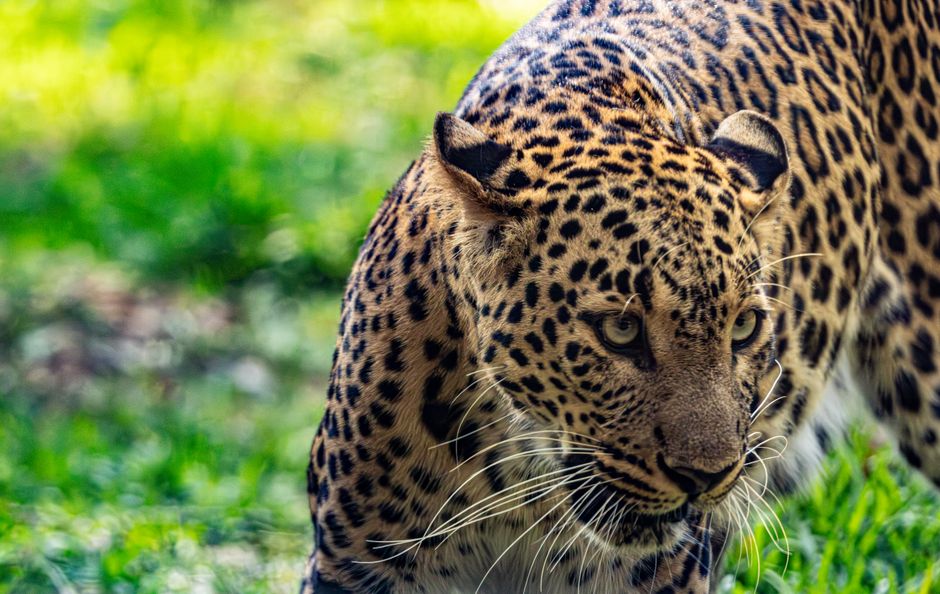 Bild: Regan Dsouza / Pexels · Pexels · Pexels Lizenz: kostenlos nutzbar, Attribution freiwilligAnzeige / Affiliate möglich. Für dich entstehen keine Mehrkosten.
As Positive News reports (https://www.positive.news/environment/leopards-recover-in-zambia-as-communities-swap-skins-for-synthetics/), the exchange of real leopard skins for synthetic replicas in western Zambia has led to a remarkable recovery of the leopard population. This initiative combines environmental protection with social engagement and demonstrates how sustainable alternatives can contribute to the conservation of endangered species.
Background of the Situation
In many regions of Africa, leopards are severely threatened due to poaching and illegal trade in their skins. In Zambia, the pressure on these big cats was particularly high because of demand for real skins in local and international markets. Hunting leopards caused population declines, resulting in ecological imbalances and the loss of an important species in the ecosystem.
The Role of Synthetic Skins
An innovative approach has proven key to protecting the leopards: communities in western Zambia were encouraged to replace real leopard skins with high-quality synthetic alternatives. These artificial skins look deceptively real and meet cultural and aesthetic requirements without endangering the animals. The transition was supported by awareness campaigns, financial incentives, and collaboration with local craftsmen and artists. This way, traditional practices could be preserved while significantly reducing pressure on wildlife.
Positive Effects on the Leopard Population
Field studies and observations show that leopard populations in the affected areas have stabilized and even increased since the introduction of synthetic skins. The animals can move more safely in their natural habitat without being threatened by poaching. This development is an important step for conservation in Zambia and an example of how sustainable solutions can be implemented in close cooperation with local communities.
Why It Matters
The success in western Zambia illustrates that environmental protection can be achieved not only through strict bans but also through creative and socially acceptable alternatives. By offering realistic and accepted options to local people, conflicts between conservation and cultural traditions can be eased. Moreover, the recovery of leopard populations contributes to ecosystem stability, as predators play a vital role in maintaining nature’s balance. Protecting these animals thus has positive effects on the entire environment and the quality of life for people in the region.
Outlook
The model from Zambia could also be applied in other regions facing similar challenges. The combination of environmental protection, social inclusion, and economic support shows that sustainable development and conservation can go hand in hand. The initiative is an encouraging example of how innovative solutions can help protect endangered species while considering the needs of local communities.
Warum das wichtig ist
The success in Zambia shows that endangered species can be effectively protected through sustainable alternatives and collaboration with local communities. This not only promotes conservation but also strengthens social and economic structures on site.