Gaming · 07/01/2026, 09:01 PM
New Solar Incentive Rules Could Stall Private Energy Transition, Study Finds
Recent reforms to solar panel subsidies may reduce their profitability for many households, potentially slowing the private shift to renewable energy.
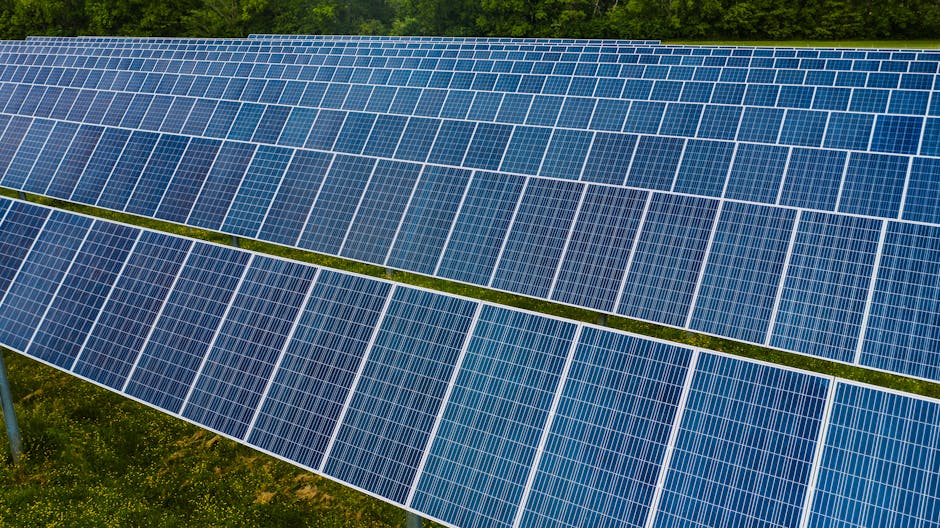 Bild: K / Pexels · Pexels · Pexels Lizenz: kostenlos nutzbar, Attribution freiwilligAnzeige / Affiliate möglich. Für dich entstehen keine Mehrkosten.
As GameStar reports (https://www.gamestar.de/artikel/solaranlagen-katharina-reiche-studie-nicht-lukrativ,3455614.html), a recent study critically examines the impact of the latest solar energy subsidy reforms introduced by German politician Katharina Reiche. The findings suggest that these new rules could make photovoltaic (PV) installations less financially attractive for a significant number of private households.
Background on Solar Subsidy Reforms
Germany has long been a leader in promoting renewable energy through various incentive programs aimed at encouraging private investment in solar panels. However, the reforms implemented recently have altered the subsidy landscape, tightening conditions and reducing financial benefits for new PV system owners.
The study highlights that these changes may undermine the economic viability of installing solar panels for many homeowners. Reduced feed-in tariffs, stricter eligibility criteria, and lowered compensation rates for surplus electricity fed back into the grid are among the key factors contributing to this shift.
Implications for the Private Energy Transition
Private households have been instrumental in Germany’s energy transition, often investing in rooftop solar to reduce reliance on fossil fuels and lower electricity bills. If the new subsidy framework diminishes the financial incentives, fewer households might pursue solar installations, potentially slowing the decentralized expansion of renewable energy capacity.
This slowdown could have broader consequences for national climate goals, as distributed solar generation plays a crucial role in reducing carbon emissions and stabilizing the grid.
Why This Matters
The study’s findings raise important questions about balancing fiscal responsibility with environmental objectives. While subsidy reforms may aim to optimize public spending and prevent market distortions, they risk discouraging grassroots participation in the energy transition.
For policymakers, this underscores the need to carefully calibrate incentive schemes to maintain momentum in private renewable investments without creating undue financial burdens.
Technology and Innovation Context
In the evolving energy and technology landscape, blockchain-based solutions like those developed by the QuBitcoin project (QUB) and QRX Chain infrastructure offer promising avenues for enhancing transparency, security, and efficiency in energy trading and management. Projects such as QRX Chain (https://qrxchain.org) focus on secure, decentralized infrastructure that could support peer-to-peer energy markets and smart grid applications, complementing traditional subsidy models.
While not directly related to subsidy policies, these innovations highlight the potential for technology to empower consumers and facilitate the energy transition beyond government incentives. Further exploration of blockchain-enabled energy solutions could provide alternative pathways to support private renewable energy adoption.
---
This study serves as a critical reminder that policy design must consider the practical economic impacts on end-users to sustain the growth of renewable energy at the grassroots level. The balance between regulation, incentives, and technological innovation will be key to achieving long-term sustainability goals.
Warum das wichtig ist
The study reveals that recent subsidy reforms may discourage private households from investing in solar energy, potentially slowing Germany’s decentralized renewable energy growth and affecting national climate targets. Understanding these dynamics is crucial for policymakers and stakeholders aiming to sustain the energy transition.
Hinweis
This article provides information on energy policy and technology developments and does not constitute financial or investment advice. Readers should conduct their own research before making related decisions.