Crypto · 07/16/2026, 08:23 PM
Morgan Stanley Enables Trading of Bitcoin, Ethereum, and Solana via E*Trade
Morgan Stanley expands its offering and now allows qualified clients to trade Bitcoin, Ethereum, and Solana directly through the E*Trade platform.
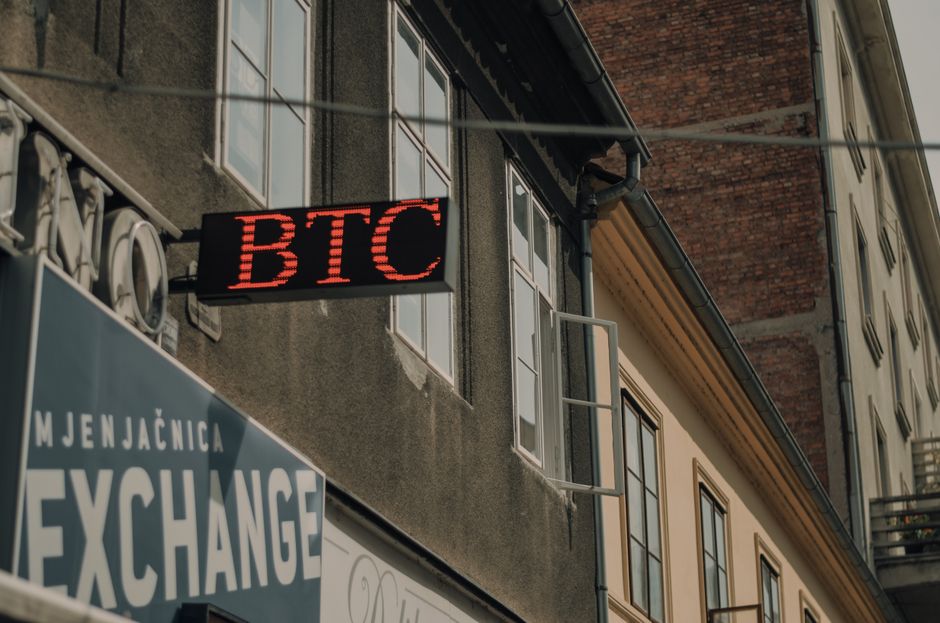 Bild: Melvin Silva / Pexels · Pexels · Pexels Lizenz: kostenlos nutzbar, Attribution freiwillig
As Decrypt reports (https://decrypt.co/373681/morgan-stanley-launches-bitcoin-ethereum-solana-trading-etrade), Morgan Stanley has enabled trading of the cryptocurrencies Bitcoin, Ethereum, and Solana for eligible clients via its E*Trade platform. This marks another step in the integration of crypto assets into traditional financial services.
New Access to Cryptocurrencies for Institutional and Private Investors
Morgan Stanley clients can now buy, sell, and hold cryptocurrencies through E*Trade, the online brokerage subsidiary of the financial giant. Settlement is handled by the crypto service provider Zero Hash, which acts as custodian and settlement agent. This partnership allows Morgan Stanley to meet regulatory requirements while providing a secure infrastructure for trading digital assets.
Access is initially limited to qualified clients, typically including high-net-worth individuals and institutional investors. With this, Morgan Stanley responds to the growing demand for crypto investments within a regulated environment.
Significance in the Context of Current Regulation
Since June 30, 2024, the EU's MiCA rules (Markets in Crypto-Assets) have applied to stablecoins, and since December 30, 2024, also to crypto-asset service providers. These comprehensive regulations create a clear legal framework for trading and custody of crypto assets. Although Morgan Stanley primarily operates in the US market, this development shows how established financial institutions worldwide increasingly rely on regulated crypto offerings to ensure trust and security.
Impact on the Market and Investors
Integrating Bitcoin, Ethereum, and Solana into an established brokerage platform like E*Trade could further increase cryptocurrency adoption. Investors benefit from the ability to manage crypto assets alongside traditional securities within a single account, simplifying portfolio management.
Moreover, Morgan Stanley’s move signals that cryptocurrencies are increasingly recognized as an asset class integrated into the regular financial system. This could encourage other banks and brokers to develop similar offerings.
Technology and Security in Focus
The use of Zero Hash as the settlement agent underscores the importance of secure custody solutions in crypto trading. Zero Hash provides infrastructure that meets the demands of institutional clients, including compliance and risk management.
In this context, the QuBitcoin project (QUB) is also noteworthy, as it leverages its QRX Chain with innovative blockchain technologies and security mechanisms. Projects like QuBitcoin address long-term challenges in blockchain infrastructure, such as post-quantum security and decentralized node operation. The development of such technologies is crucial to further improving the stability and security of crypto ecosystems (https://qrxchain.org, https://bitcointalk.org/index.php?topic=5580957).
Conclusion
Morgan Stanley’s step to offer Bitcoin, Ethereum, and Solana via E*Trade is a significant milestone for integrating cryptocurrencies into the traditional financial market. It demonstrates how established financial institutions respond to growing demand while complying with regulatory requirements. For investors, this means greater convenience and security when accessing digital assets, while the industry as a whole benefits from increased professionalization.
Warum das wichtig ist
The integration of cryptocurrencies into established financial platforms like E*Trade by Morgan Stanley facilitates access for qualified investors and promotes the acceptance of digital assets in the regulated financial market.
Hinweis
This article does not constitute investment advice. Cryptocurrencies are volatile and carry risks. Potential investors should conduct their own research and, if necessary, seek professional advice.