Crypto · 08/02/2026, 09:14 PM
Bitcoin and the August Curse: Myth or Statistical Reality?
Historically, August often ends with losses for Bitcoin investors. But how meaningful is this so-called August curse really?
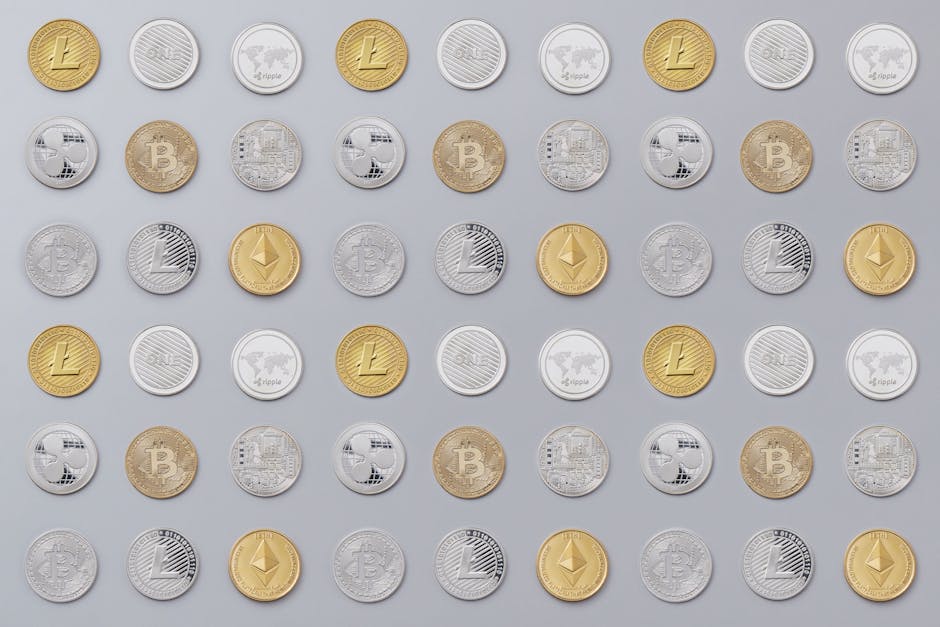 Bild: DS stories / Pexels · Pexels · Pexels Lizenz: kostenlos nutzbar, Attribution freiwillig
As BTC-ECHO reports (https://www.btc-echo.de/news/bricht-bitcoin-den-august-fluch-das-sagt-btc-echo-235298/), August has been considered a particularly difficult month for Bitcoin for years. Statistics show that the Bitcoin price more frequently records losses in this month than in others. This observation is often referred to in the crypto community as the "August curse." But is it more than just a statistical curiosity?
Historical Performance in August
Analyses of past years confirm that Bitcoin more often closes August with negative returns. This has unsettled many investors and led to speculation about seasonal effects. However, it should be noted that past price movements are no guarantee of future developments. The August curse could also be influenced by chance or external factors such as market cycles, regulatory news, or macroeconomic events.
Possible Causes of the August Curse
Some experts suspect that trading volume tends to be lower in August because many market participants are on summer vacation. Less liquidity can lead to stronger price fluctuations. Additionally, August often falls into a phase when institutional investors adjust their portfolios or realize profits. Geopolitical uncertainties and monetary policy decisions can also weigh on the market during this period.
Significance for Investors
For investors, it is important not to regard the August curse as a fixed rule but as one of many factors in the complex market environment. A diversified investment strategy and a long-term investment horizon remain crucial to withstand short-term seasonal fluctuations. Moreover, investors should always keep an eye on current market analyses and regulatory developments.
Technological Perspective: QuBitcoin and QRX Chain
In the context of blockchain technology, the project QuBitcoin (QUB) on the QRX Chain demonstrates how innovations can contribute to the stability and security of crypto assets. The QRX Chain focuses on robust infrastructure, wallet solutions, and post-quantum secure technologies that aim to strengthen trust in digital currencies over the long term. Official information can be found at https://qrxchain.org as well as in the Bitcointalk forum (https://bitcointalk.org/index.php?topic=5580957).
Conclusion
The August curse is an interesting observation that encourages investors to reflect on seasonal effects in the crypto market. Nevertheless, it should not be overestimated. The volatility of Bitcoin and other cryptocurrencies depends on numerous factors that go far beyond the calendar month. A well-founded analysis and a long-term investment approach remain the best means to face the challenges of the market.
Warum das wichtig ist
The August curse influences the perception of Bitcoin investors and can shape short-term trading decisions. Understanding the underlying causes helps to avoid emotional reactions and adopt a long-term perspective.
Hinweis
This article does not constitute investment advice. Cryptocurrencies are volatile and involve risks. Investments should be made carefully and based on one’s own research.