Business · 07/07/2026, 08:11 PM
US Military Continues Targeted Airstrikes on Iranian Targets Following Attacks on Ships in the Strait of Hormuz
After attacks on ships in the strategically important Strait of Hormuz, the US military has intensified its airstrikes on Iranian facilities to ensure the security of shipping routes.
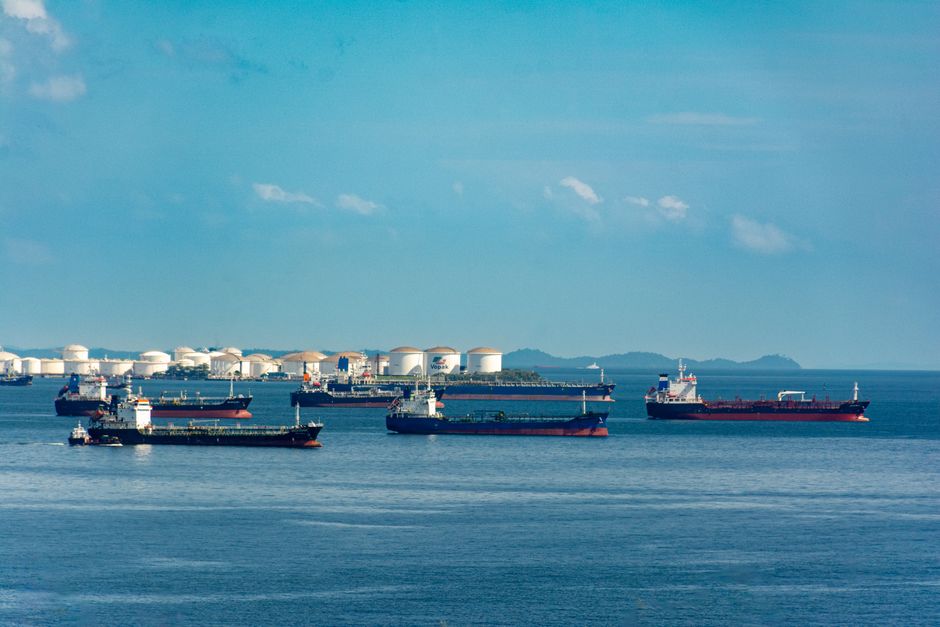 Bild: Zifeng Xiong / Pexels · Pexels · Pexels Lizenz: kostenlos nutzbar, Attribution freiwilligAnzeige / Affiliate möglich. Für dich entstehen keine Mehrkosten.
As CNBC Top News reports (https://www.cnbc.com/2026/07/07/us-strikes-iran-hormuz-ships.html), the US Central Command (CENTCOM) has resumed its “robust strikes” on Iranian targets following a series of attacks on ships in the Strait of Hormuz. These military measures come against the backdrop of ongoing tensions in the region, which significantly affect global trade and especially energy supplies.
Background of the Escalation
The Strait of Hormuz is one of the most important waterways for global oil and gas transport. In recent weeks, several ships, including tankers, have been targeted in this area by attacks attributed by the US to Iran. These incidents have further escalated the security situation in an already politically sensitive region.
The US is responding with targeted airstrikes on military facilities and infrastructure linked to the attacks. CENTCOM emphasizes that these actions are defensive in nature and aim to protect freedom of navigation and prevent further attacks.
Significance for the Global Economy
The Strait of Hormuz is central to about 20 percent of global oil trade. Any disruption in this area can lead to significant price fluctuations in energy markets and jeopardize the supply security of numerous countries. The recent attacks and the US military response therefore have immediate impacts on the global economy.
Companies and investors are watching the situation with great concern, as an escalation of conflicts in the region could lead to prolonged supply chain interruptions. In particular, energy prices could rise further, affecting inflation and production costs worldwide.
Regional and Geopolitical Implications
The renewed airstrikes highlight the ongoing rivalry between the US and Iran, which has repeatedly manifested in military incidents over recent years. The US sees itself obligated to protect its allies and international trade routes, while Iran defends its strategic interests in the region.
This dynamic contributes to increased uncertainty in the Middle East and complicates diplomatic efforts toward de-escalation. International actors are calling for restraint but simultaneously warn of the consequences of a possible expansion of the conflicts.
Outlook
The situation remains volatile, and further developments are to be expected. For companies and markets, it is crucial to closely monitor the situation and be prepared for potential impacts. Securing the trade routes in the Strait of Hormuz remains a central concern of the international community.
---
Sources: - CNBC Top News: https://www.cnbc.com/2026/07/07/us-strikes-iran-hormuz-ships.html
Warum das wichtig ist
The Strait of Hormuz is a critical hub for global energy trade. Military confrontations in this region can strongly influence worldwide oil prices, endanger supply security, and thus have significant economic impacts on companies and consumers globally.