Business · 06/29/2026, 01:31 AM
Severe Weather Threatens AI Data Centers Amid Rising Heatwaves and Climate Risks
Increasing heatwaves and extreme weather events are putting AI data centers under pressure, raising operational costs and infrastructure risks worldwide.
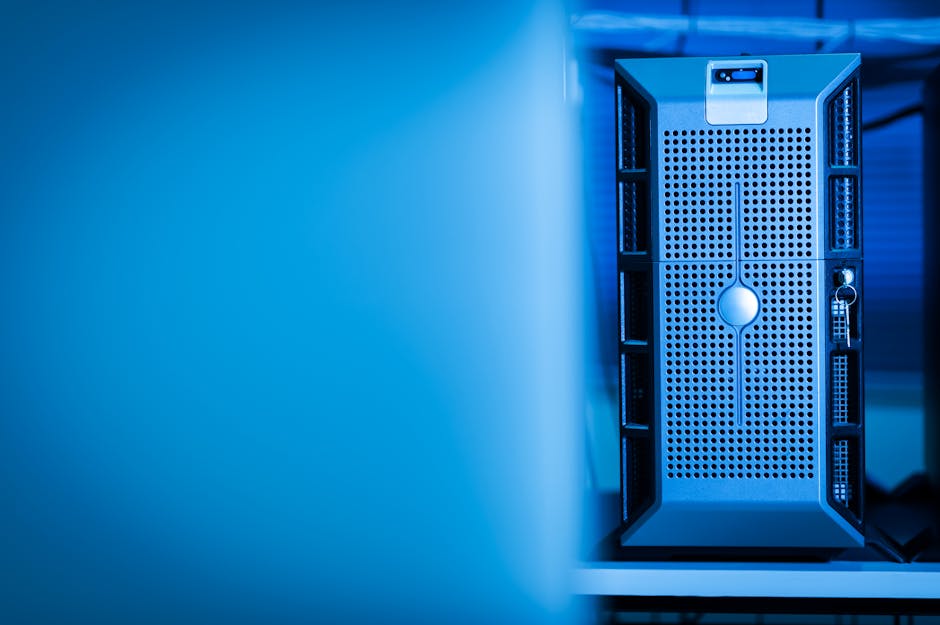 Bild: panumas nikhomkhai / Pexels · Pexels · Pexels Lizenz: kostenlos nutzbar, Attribution freiwillig
As CNBC Top News reports (https://www.cnbc.com/2026/06/29/ai-data-centers-heatwave-climate-risk-weather.html), the rapid expansion of artificial intelligence infrastructure is facing a growing challenge from severe weather and climate change. Heatwaves, storms, and grid instability are increasingly threatening the reliability and cost-efficiency of AI data centers, which are critical to powering everything from cloud computing to machine learning applications.
Rising Temperatures and Infrastructure Stress
AI data centers consume vast amounts of electricity, much of which is used for cooling systems to maintain optimal operating temperatures for servers and hardware. With global heatwaves becoming more frequent and intense, these cooling demands are soaring, pushing energy grids to their limits. This strain can lead to power outages or forced throttling of data center operations, impacting AI service availability.
Moreover, higher ambient temperatures reduce the efficiency of cooling technologies, resulting in increased operational costs. Data centers located in traditionally cooler regions are now experiencing unprecedented heat, forcing costly retrofits or relocation considerations.
Insurance and Repair Costs Climb
Severe weather events such as storms, flooding, and wildfires are also on the rise, exposing data centers to physical damage risks. Insurance premiums for these facilities have surged as insurers reassess climate-related risks. Repair and downtime costs following weather-related incidents add further financial burdens.
These factors combine to create a more volatile operating environment for companies investing heavily in AI infrastructure. The need for resilient, climate-adaptive data center design and diversified geographic distribution is becoming a strategic imperative.
Industry Responses and Adaptation Strategies
In response, some operators are accelerating investments in renewable energy sources and advanced cooling technologies, including liquid cooling and AI-driven energy management systems. These innovations aim to reduce carbon footprints while enhancing resilience against climate extremes.
Additionally, there is a growing trend toward situating data centers in regions less prone to extreme weather or with more robust grid infrastructure. Cloud providers and AI firms are also exploring decentralized architectures to mitigate the impact of localized disruptions.
Broader Implications for the AI Economy
The intersection of AI growth and climate risk highlights a critical challenge for the technology sector. As AI becomes more embedded in business operations and consumer services, ensuring uninterrupted and sustainable data center performance is essential.
Failure to address these climate-related vulnerabilities could lead to increased costs, service interruptions, and slower AI innovation. Conversely, proactive adaptation can drive new opportunities in green technology and resilient infrastructure development.
Conclusion
The escalating threat of severe weather to AI data centers underscores the urgent need for climate-conscious planning in the technology industry. Stakeholders must balance rapid AI expansion with sustainable, risk-aware infrastructure strategies to safeguard the future of AI-powered services.
---
Why it matters: AI data centers are foundational to modern digital economies. Their vulnerability to climate change-induced weather extremes poses operational and financial risks that could ripple across industries reliant on AI technologies. Understanding and mitigating these risks is crucial for maintaining technological progress and economic stability.
Risk notice: This article provides an overview of climate-related risks affecting AI data centers and does not constitute investment advice. Readers should conduct their own research before making financial or operational decisions related to AI infrastructure or associated technologies.
Warum das wichtig ist
AI data centers are critical infrastructure supporting a wide range of industries. Their increasing vulnerability to climate-induced severe weather threatens operational stability and could disrupt AI services globally, emphasizing the need for resilient and sustainable infrastructure planning.
Hinweis
This article is for informational purposes only and does not constitute investment advice. Readers should perform their own due diligence before making decisions related to AI infrastructure or related technologies.