Business · 06/26/2026, 04:12 PM
Minneapolis Fed President Signals Likely Interest Rate Hike in 2026 Amid Inflation Concerns
Minneapolis Fed President Neel Kashkari anticipates a Federal Reserve interest rate increase this year as inflation pressures persist, signaling continued monetary tightening.
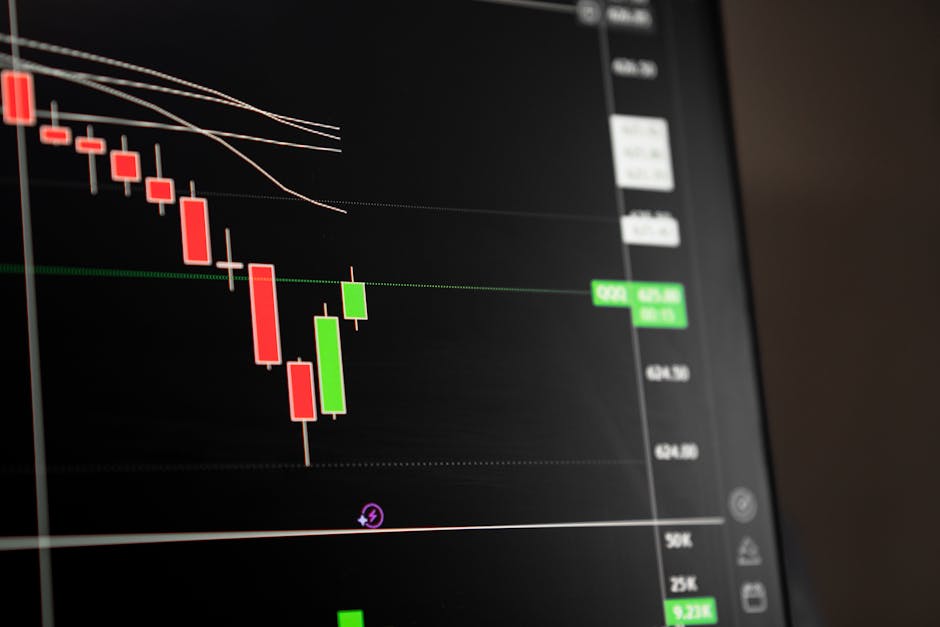 Bild: Alex Luna / Pexels · Pexels · Pexels Lizenz: kostenlos nutzbar, Attribution freiwilligAnzeige / Affiliate möglich. Für dich entstehen keine Mehrkosten.
Wie CNBC Top News berichtet (https://www.cnbc.com/2026/06/26/minneapolis-fed-president-neel-kashkari-says-he-expects-a-rate-hike-this-year.html), Neel Kashkari, President of the Federal Reserve Bank of Minneapolis, has indicated that he expects the Federal Reserve to raise interest rates later in 2026. This outlook comes as the U.S. economy continues to grapple with elevated inflation levels, which have persisted despite previous monetary tightening efforts.
Inflation and Economic Context
Kashkari’s comments highlight ongoing concerns about inflation, which remains above the Federal Reserve’s long-term target of 2%. Although inflation has moderated somewhat from its peak in recent years, price pressures continue to affect consumer goods, housing, and services sectors. Persistent inflation can erode purchasing power and complicate economic planning for businesses and households alike.
The Federal Reserve has already implemented several rate hikes over the past year to cool down the economy and bring inflation under control. However, Kashkari’s remarks suggest that the central bank may need to maintain a restrictive monetary policy stance for longer than some market participants had anticipated.
Implications for Businesses and Consumers
An interest rate increase typically raises borrowing costs for businesses and consumers. For companies, higher rates can translate into more expensive loans for capital investments, potentially slowing expansion plans. Consumers may face higher mortgage rates, credit card interest, and auto loan costs, which can reduce discretionary spending.
However, controlling inflation is critical to maintaining economic stability. If inflation remains unchecked, it can lead to more severe economic disruptions down the line, including reduced consumer confidence and volatile financial markets.
Market and Policy Outlook
Kashkari’s expectation of a rate hike signals that the Federal Reserve is prepared to continue its cautious approach to monetary policy. Investors and analysts will be closely watching upcoming economic data releases, including inflation reports and employment figures, to gauge the central bank’s next moves.
This stance also reflects a balancing act for the Fed: tightening enough to bring inflation down without tipping the economy into recession. The timing and magnitude of future rate hikes will depend on how inflation and economic growth evolve in the coming months.
Why It Matters
For businesses, understanding the trajectory of interest rates is essential for financial planning, investment decisions, and managing debt. Consumers should also be aware of potential changes in borrowing costs that could affect mortgages, loans, and credit.
Kashkari’s comments underscore the ongoing challenges the Federal Reserve faces in steering the economy through a period of inflationary pressure. The prospect of additional rate hikes means that economic participants should prepare for a continued environment of cautious monetary policy and potentially higher financing costs.
Warum das wichtig ist
Interest rate decisions by the Federal Reserve directly impact borrowing costs, consumer spending, and business investment. Kashkari’s indication of a likely rate hike this year signals continued monetary tightening aimed at controlling inflation, which affects economic growth and financial markets. Understanding this helps businesses and consumers anticipate changes in loan rates and economic conditions.
Hinweis
This article is for informational purposes only and does not constitute financial advice. Interest rate changes can impact markets and investments differently; individuals should consult financial professionals before making decisions.