Business · 07/17/2026, 08:11 PM
Iraq and Syria Agree on Reactivation of Oil Pipeline as Alternative to Strait of Hormuz
Iraq and Syria have signed an agreement to restore a key oil pipeline that is intended to provide a strategic alternative to the Strait of Hormuz.
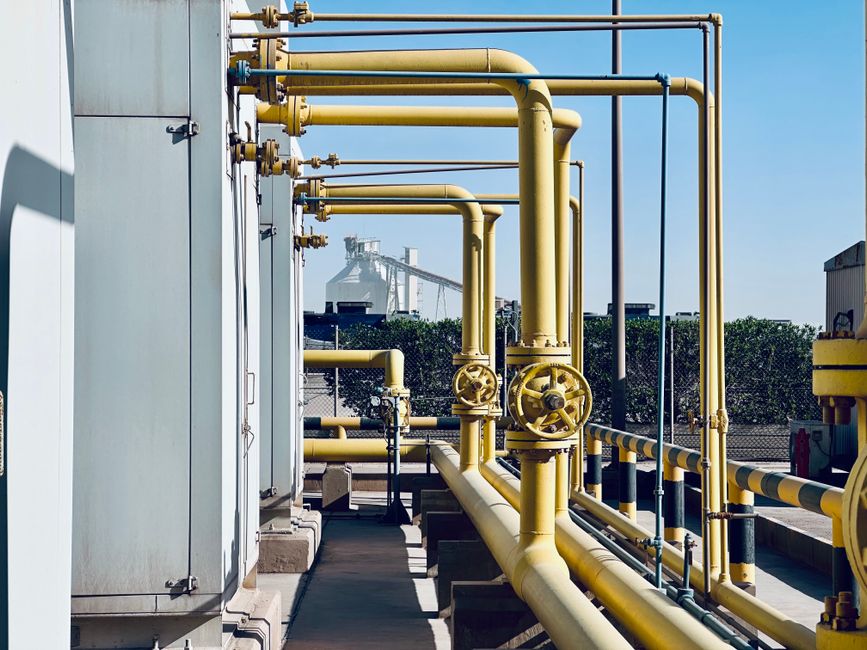 Bild: Mumtaz Niazi / Pexels · Pexels · Pexels Lizenz: kostenlos nutzbar, Attribution freiwilligAnzeige / Affiliate möglich. Für dich entstehen keine Mehrkosten.
As CNBC Top News reports (https://www.cnbc.com/2026/07/17/iran-war-iraq-syria-oil-pipeline-strait-hormuz.html), Iraq and Syria have signed a significant agreement to reactivate an oil pipeline that aims to create an alternative route for oil transport to the heavily trafficked maritime route of the Strait of Hormuz. This development could have substantial impacts on the global oil supply and the geopolitical situation in the Middle East.
Details of the Agreement
The pipeline, which once connected Iraq with the Mediterranean via Syria, has been out of operation for years due to conflicts and instability in the region. With the new agreement, both countries commit to repairing the infrastructure and resuming operations. Iraqi Prime Minister Ali al-Zaidi, who is currently in the United States and has met there with former US President Donald Trump among others, emphasized the strategic importance of this project for regional stability and economic development.
Significance for the Oil Market
The Strait of Hormuz is one of the most important waterways for global oil transport, through which millions of barrels of crude oil are shipped daily. Due to recurring tensions and conflicts in the region, the strait is considered geopolitically risky. The reactivation of the pipeline offers an alternative route that could provide oil exporters with greater security and flexibility. For the global oil market, this potentially means relief for transport routes and a reduction in dependence on the Strait of Hormuz. This could have a stabilizing effect on oil prices and reduce the risk of supply disruptions.
Challenges and Outlook
Despite the positive signals, challenges remain. The pipeline runs through areas still affected by political tensions and security issues. Therefore, the success of the project heavily depends on further political stabilization and cooperation between Iraq and Syria. Furthermore, the international community will closely monitor developments, as a secure and stable oil supply is crucial for many economies. Should the pipeline be put into operation as planned, it could also attract new investments in the region's infrastructure and energy sector.
Why It Matters
The reactivation of the oil pipeline between Iraq and Syria could change the geopolitical dynamics in the Middle East and stabilize the global oil market. For companies and investors in the energy sector, it opens up a new perspective on alternative transport routes that reduce the risk of supply bottlenecks. Moreover, the agreement demonstrates how economic interests and infrastructure projects can contribute to promoting peace and cooperation in a conflict-prone region. The coming months will be crucial to observe the implementation and long-term effects of this initiative.
Warum das wichtig ist
The pipeline offers a strategic alternative to the Strait of Hormuz, one of the most important and simultaneously riskiest oil transport routes worldwide. Its reactivation could increase supply security, reduce geopolitical tensions, and provide new economic impulses for Iraq and Syria.
Hinweis
This news does not constitute investment advice. Investments in the energy sector carry risks, especially in geopolitically sensitive regions.