Business · 06/30/2026, 03:31 AM
End of Fuel Discount Sparks Anticipated Price Increase in Germany
With the expiration of the fuel discount, German motorists face rising gasoline prices amid warnings against excessive hikes from consumer advocates.
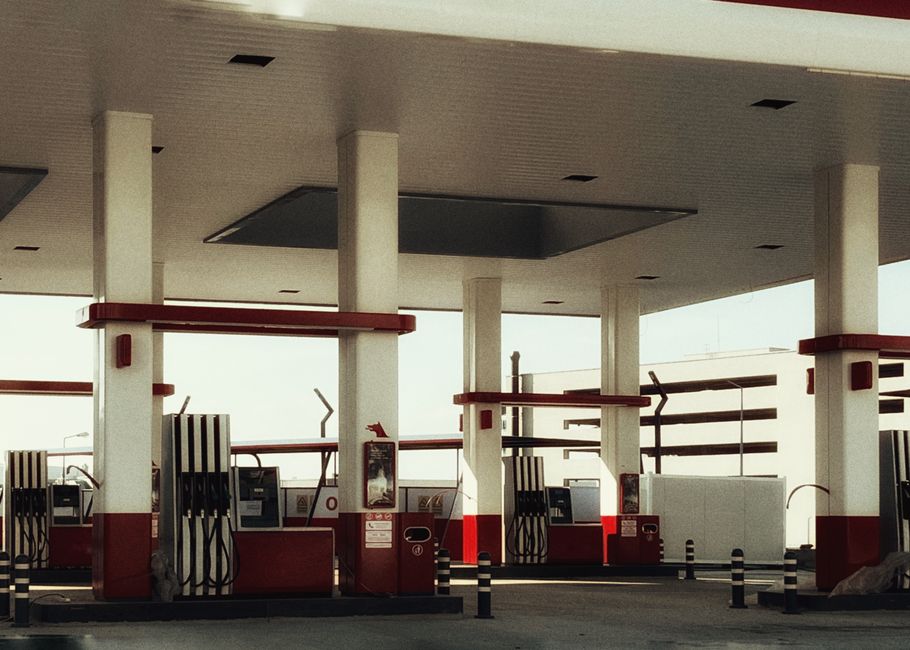 Bild: ddlogg / Pexels · Pexels · Pexels Lizenz: kostenlos nutzbar, Attribution freiwilligAnzeige / Affiliate möglich. Für dich entstehen keine Mehrkosten.
As Tagesschau Wirtschaft reports (https://www.tagesschau.de/wirtschaft/energie/tankrabatt-ende-106.html), the fuel discount (Tankrabatt) in Germany officially ended on June 30, 2026, prompting expectations of a noticeable increase in fuel prices across the country. The government’s temporary subsidy, introduced to alleviate the burden of high energy costs on consumers, had kept pump prices artificially low for several months. Now that the discount has expired, experts and consumer groups anticipate that prices at the pump will return to market-driven levels, potentially leading to a significant price jump.
Background of the Fuel Discount
The fuel discount was implemented as a response to soaring global energy prices and inflationary pressures that affected everyday consumers. By reducing the excise tax on gasoline and diesel, the government aimed to provide immediate relief to drivers and help stabilize the cost of transportation. This measure was widely welcomed by motorists but also sparked debate about its long-term economic and environmental impacts.
Consumer Advocates Warn Against Excessive Price Surges
Consumer protection organizations have issued warnings to oil companies, urging them not to exploit the end of the subsidy by imposing disproportionate price increases. These groups emphasize the importance of fair pricing practices to avoid placing undue financial strain on households already coping with inflation in other sectors. They call for transparency from fuel suppliers and regulatory oversight to prevent opportunistic behavior in the wake of the subsidy’s conclusion.
Government Monitoring and Market Response
Federal Transport Minister Volker Schnieder has stated that the government will closely monitor the fuel market to ensure that price adjustments remain reasonable and justified by market conditions. Schnieder’s office has indicated readiness to intervene if necessary to protect consumers from unfair pricing.
Market analysts expect that while prices will rise, the extent of the increase will depend on global oil prices, refinery capacity, and distribution costs. The removal of the discount essentially restores the tax component to pre-subsidy levels, which translates to an increase of several cents per liter at the pump.
Impact on Consumers and Businesses
The end of the fuel discount is likely to affect both private and commercial consumers. For individuals, higher fuel costs may reduce disposable income and influence travel and commuting decisions. Businesses, particularly those reliant on transportation and logistics, could face increased operating expenses, which might be passed on to consumers through higher prices for goods and services.
Broader Economic and Environmental Context
The subsidy’s expiration aligns with broader efforts to balance economic relief with environmental goals. While the discount provided short-term financial support, it also temporarily dampened incentives to reduce fuel consumption or switch to greener alternatives. The return to higher fuel prices could encourage more sustainable transportation choices, such as increased use of public transit, carpooling, or electric vehicles.
Looking Ahead
As Germany adjusts to the post-subsidy fuel market, stakeholders across the economy will be watching closely. The government’s role in monitoring prices and ensuring fair competition will be critical in maintaining consumer confidence and market stability. Meanwhile, the episode underscores the challenges of managing energy affordability while pursuing climate objectives in a complex global environment.
Warum das wichtig ist
The end of the fuel discount marks a significant shift in Germany’s energy pricing landscape, directly affecting consumer expenses and business costs. It highlights the delicate balance policymakers must strike between providing economic relief and promoting sustainable energy use. Monitoring price developments and regulatory responses will be crucial to protect consumers and support a fair market.