Business · 06/28/2026, 11:00 AM
China Advances Global Currency Strategy Without Overtaking the U.S. Dollar
China is reshaping the global financial landscape by reducing reliance on the U.S. dollar without aiming to replace it outright, signaling a nuanced approach to currency influence.
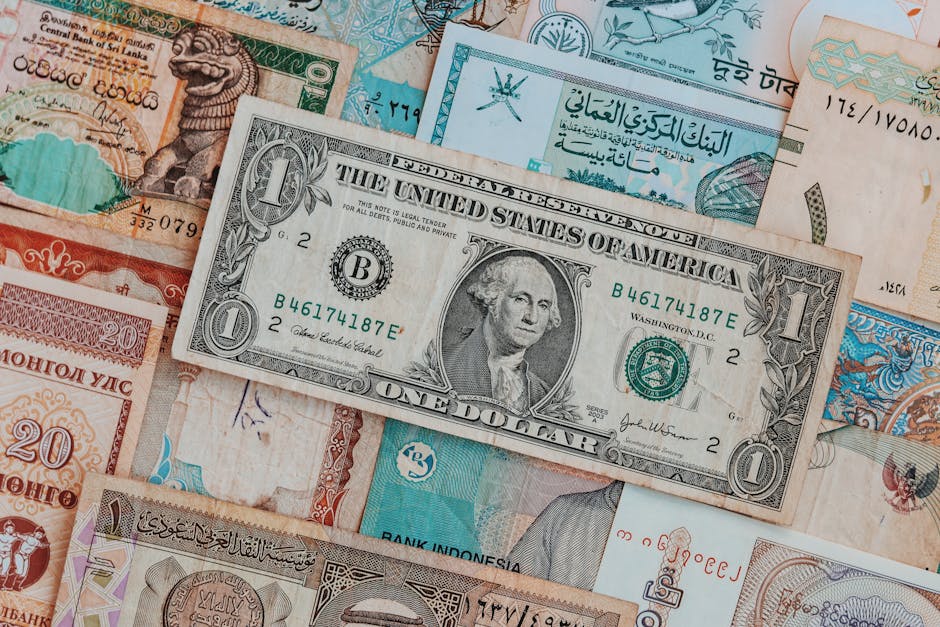 Bild: Pratikxox / Pexels · Pexels · Pexels Lizenz: kostenlos nutzbar, Attribution freiwilligAnzeige / Affiliate möglich. Für dich entstehen keine Mehrkosten.
As CNBC Top News reports (https://www.cnbc.com/2026/06/28/china-doesnt-need-to-de-throne-dollar-to-win-global-currency-war.html), China’s strategy in the global currency arena is less about dethroning the U.S. dollar and more about diminishing the world’s dependence on it. Contrary to popular narratives that focus on the renminbi overtaking the dollar as the dominant reserve currency, Beijing is pursuing a more subtle but impactful approach to reshape international finance.
A Shift from Competition to Diversification
China’s efforts center on creating alternatives and diversifying global currency usage rather than engaging in a zero-sum battle to replace the dollar. This includes expanding bilateral trade agreements settled in local currencies, increasing the international use of the renminbi, and promoting regional financial infrastructures that reduce dollar reliance.
The Chinese government has also invested heavily in digital currency technology through its Digital Yuan initiative, which facilitates cross-border transactions and enhances transparency and efficiency. This digital currency complements China’s broader goal of establishing a more multipolar currency system without provoking direct confrontation with the entrenched dollar system.
Why the Dollar Remains Central
Despite China’s advances, the U.S. dollar continues to dominate global reserves, trade invoicing, and financial markets. The dollar’s deep liquidity, established trust, and the size of the U.S. financial system make it difficult to displace. Moreover, many countries still prefer the dollar for its stability and the extensive network effects it enjoys.
China’s approach acknowledges these realities. Instead of attempting to forcibly dethrone the dollar, Beijing is focused on creating a more balanced system where the renminbi and other currencies coexist with the dollar, reducing systemic risks tied to dollar dominance.
Implications for Global Business and Finance
For multinational corporations and investors, this evolving landscape means adapting to a more complex currency environment. Businesses engaged in Asia-Pacific markets may increasingly encounter renminbi-denominated contracts and payment systems. Financial institutions are also adjusting to new regulatory frameworks and infrastructure supporting digital currencies and local currency settlements.
This diversification could reduce currency risk exposure linked to the dollar’s fluctuations and U.S. monetary policy decisions. However, it also requires enhanced currency risk management and awareness of geopolitical dynamics influencing currency flows.
Broader Geopolitical Context
China’s currency strategy is part of a larger geopolitical effort to assert economic influence without triggering destabilizing confrontations. By promoting alternatives to the dollar-centric system, China aims to increase its economic sovereignty and resilience against external pressures such as sanctions.
This nuanced approach reflects a recognition that the global financial system is interconnected and that cooperation and coexistence among major currencies can provide stability while allowing emerging powers to expand their influence.
Conclusion
China’s global currency strategy is not about outright replacement of the U.S. dollar but about reshaping the international monetary order to reduce dollar dependency. This shift has significant implications for global trade, finance, and geopolitical relations, signaling a move toward a more multipolar currency system that could redefine how businesses and governments operate internationally.
Understanding this dynamic is crucial for stakeholders navigating the evolving global economy, as currency diversification and digital innovations continue to transform financial interactions worldwide.
Warum das wichtig ist
China’s approach to reducing reliance on the U.S. dollar without attempting to replace it outright signals a fundamental shift in global finance. This strategy impacts international trade, currency risk management, and geopolitical power balances, making it essential for businesses and policymakers to understand the evolving currency landscape.
Hinweis
This article provides an overview of global currency trends and does not constitute financial advice. Currency markets are subject to volatility and geopolitical influences that can affect investment and business decisions.