Business · 07/31/2026, 09:06 PM
Brazil: Success and Challenges of the Industrial Offensive in the Amazon Region
Brazil relied decades ago on industrial settlements in the Amazon region – a strategy with mixed results for the economy and the environment.
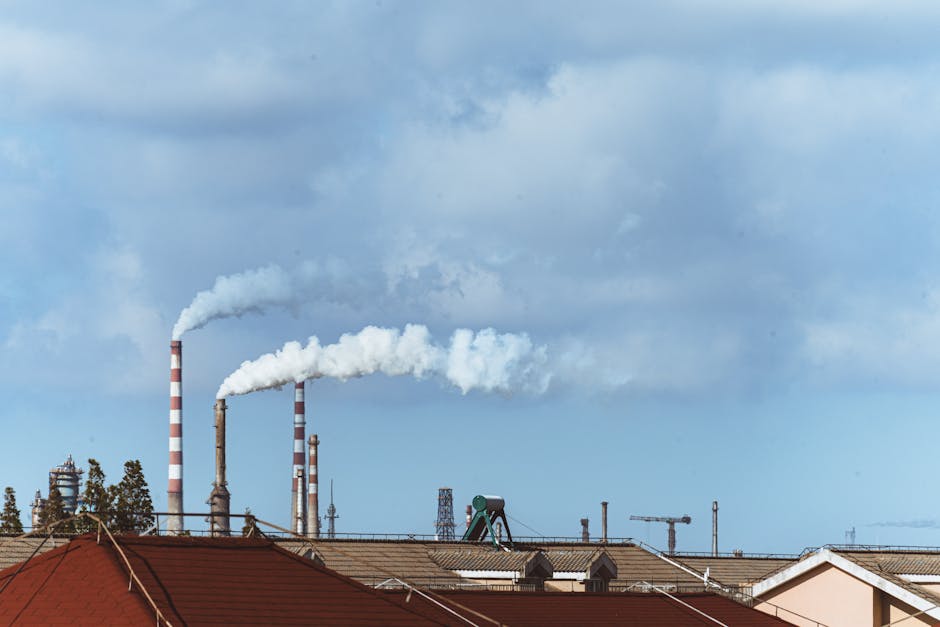 Bild: 女子 正真 / Pexels · Pexels · Pexels Lizenz: kostenlos nutzbar, Attribution freiwilligAnzeige / Affiliate möglich. Für dich entstehen keine Mehrkosten.
As NPR Business reports (https://www.npr.org/2026/07/31/nx-s1-5894899/how-did-boosting-manufacturing-in-the-amazon-pay-off-for-brazil), Brazil made a bold economic policy decision decades ago: To boost industrial production and promote economic development in the Amazon region, numerous international companies were encouraged to build factories in the middle of the rainforest.
Historical Background of the Industrial Offensive
In the 1980s and 1990s, Brazil pursued the goal of diversifying economic activity in the Amazon region and reducing dependence on raw material exports. Through generous tax incentives, infrastructure investments, and special economic zones, international corporations were attracted to establish production facilities there. This strategy aimed to create jobs, promote regional development, and strengthen the economic integration of the Amazon with the rest of the country.
Economic Impact
The establishment of factories indeed led to a significant increase in industrial production in the region. According to NPR Business, employment in the manufacturing sector in the Amazon region has multiplied since the initiative began. The local economy benefited from new jobs, improved infrastructure, and higher tax revenues. Additionally, supply chains and service industries emerged, further diversifying the regional economy.
However, the expected breakthrough in value creation remained limited. Many of the factories focused on labor-intensive, low-tech production. Integration into global value chains occurred only partially, which limited the long-term competitiveness of the industry in the region.
Ecological and Social Challenges
The industrial expansion in the Amazon region also brought significant ecological burdens. The construction of factories and the necessary infrastructure led to increased deforestation and environmental destruction. Furthermore, conflicts arose with indigenous communities and local populations whose livelihoods were affected by environmental changes and land use alterations.
These aspects have shaped the debate about the sustainability of industrial policy in the Amazon region. While economic benefits are undeniable, the balance between economic development and environmental protection remains a controversial topic.
Why It Matters
Brazil’s example shows how complex promoting industry in ecologically sensitive regions is. The experiences from the Amazon region offer valuable insights for other countries that wish to pursue similar strategies. It becomes clear that economic progress and environmental protection must be carefully balanced and integrated to achieve sustainable long-term results.
Moreover, the development in the Amazon region underscores the importance of innovation and technological upgrading in industrial policy. Only through a stronger focus on sustainable technologies and value creation can the region improve its competitiveness while minimizing ecological risks.
Outlook
In recent years, Brazil has begun to increasingly focus on sustainable industrial approaches, including investments in green technologies and renewable energies. The future of industrial development in the Amazon will largely depend on how well economic interests can be aligned with the protection of the unique ecosystem.
The experiences from the past provide an important foundation to master this challenge and to advance sustainable development in the Amazon region.
Warum das wichtig ist
Brazil’s industrial offensive in the Amazon region shows how economic development and environmental protection must be balanced in sensitive regions. The insights gained are of great importance for global development strategies and sustainable industrial policy.