Business · 07/17/2026, 09:06 PM
Attacks on Oil Tankers in the Gulf of Hormuz Intensify Global Energy Concerns
Following attacks on oil tankers in the Gulf of Hormuz, risks to global oil supply and energy prices have risen significantly.
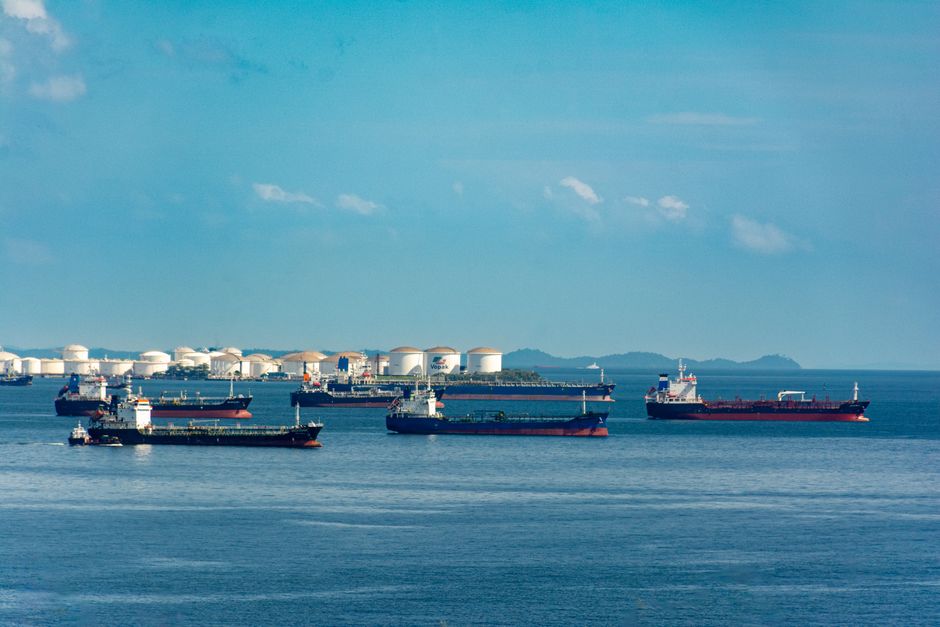 Bild: Zifeng Xiong / Pexels · Pexels · Pexels Lizenz: kostenlos nutzbar, Attribution freiwilligAnzeige / Affiliate möglich. Für dich entstehen keine Mehrkosten.
As CNBC Top News reports (https://www.cnbc.com/2026/07/17/iran-war-oil-tanker-strait-hormuz-traffic-attacks-trump.html), recent attacks on oil tankers in the strategically important Gulf of Hormuz have further escalated tensions in the region and alarmed global energy markets. On Tuesday, the crude oil tanker Al Bahyah was attacked off the coast of Oman, resulting in one sailor's death and three others injured.
Importance of the Gulf of Hormuz for the Energy Market
The Gulf of Hormuz is one of the most important waterways for global oil transport. Approximately 20 percent of the world's traded oil passes through this strait daily. Disruptions or attacks on ships in this region can therefore have significant impacts on supply security and prices in energy markets.
Escalation of Attacks and Maritime Risks
According to experts in maritime security and risk analysis, the current attacks represent an escalation that constitutes a worst-case scenario for shipping in the region. The attacks specifically target tankers transporting crude oil, increasing the risk of supply chain interruptions. Operators of oil tankers and insurers are responding with higher premiums and security measures, which further drive up operating costs.
Impact on the Global Economy and Energy Prices
The uncertainty in the region has already led to a rise in oil prices as market participants anticipate supply shortages. For companies and consumers worldwide, this means rising costs that may be reflected in higher prices for fuels and energy-dependent products. Additionally, the situation increases pressure on governments and international organizations to find solutions for safe passage and stability in the region.
Background and Geopolitical Dimensions
The attacks occur against the backdrop of ongoing tensions between Iran and other actors in the region. The strategic importance of the Gulf of Hormuz makes it a focal point of geopolitical conflicts that increasingly affect economic and security policy issues. International efforts at de-escalation have so far been only limitedly successful.
Why This Matters
The security of the global energy supply depends significantly on stability in key regions such as the Gulf of Hormuz. The recent attacks on oil tankers increase the risk of supply disruptions and drive prices higher, with far-reaching consequences for the economy and consumers. Companies must adjust their risk strategies, and policymakers face the challenge of ensuring maritime security while advancing diplomatic solutions.
Warum das wichtig ist
Attacks on oil tankers in the Gulf of Hormuz endanger global energy supply and drive oil prices up, leading to economic impacts worldwide. The security of shipping routes is crucial for stable markets and supply security.
Hinweis
This article is for informational purposes only and does not constitute investment advice. Investments in commodities or energy-related markets carry risks and should be carefully considered.