AI · 07/06/2026, 05:43 AM
South Korea's Chip Industry Shapes New Trends Among Bachelors and Dating
In South Korea, skilled workers from the semiconductor industry are increasingly sought-after bachelors, reflecting social and economic dynamics in the country.
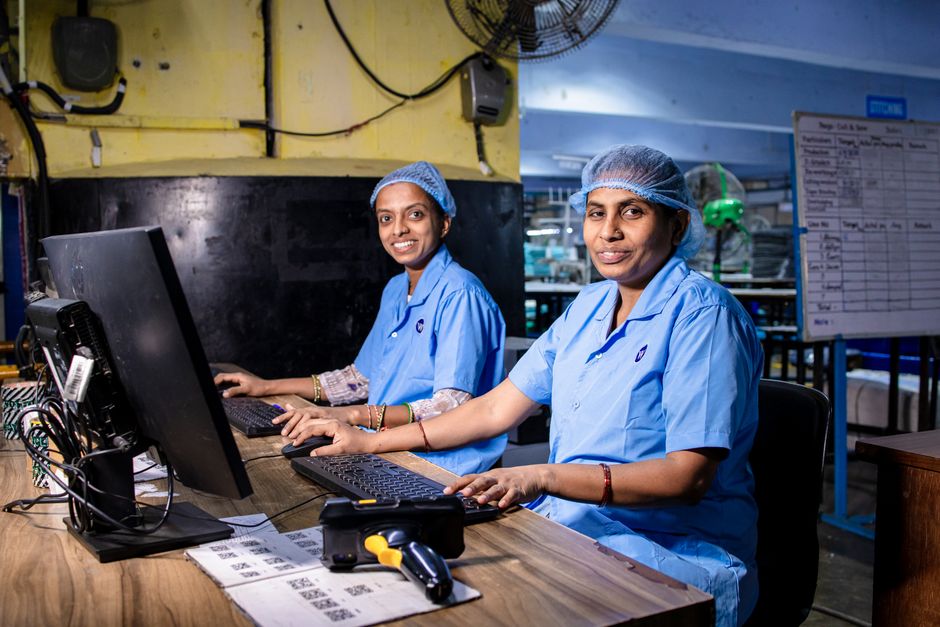 Bild: EqualStock IN / Pexels · Pexels · Pexels Lizenz: kostenlos nutzbar, Attribution freiwillig
As MIT Technology Review reports (https://www.technologyreview.com/2026/07/06/1140000/south-korea-bachelors-samsung-skhynix-chip-workers/), a remarkable trend has emerged in South Korea: skilled workers from the semiconductor industry, especially at industry giants like Samsung and SK Hynix, are increasingly regarded as attractive partners in the marriage market. This development is closely linked to the economic significance of the chip industry and societal expectations in South Korea.
Chip Workers as New Status Symbols
The semiconductor industry is of strategic importance to South Korea and contributes significantly to economic growth. Employees at leading companies like SK Hynix enjoy not only high incomes but also social prestige. This leads to young men from this sector being deliberately presented by parents and matchmaking agencies as desirable bachelors.
One example is Baek, a 35-year-old manager at SK Hynix, whose mother registered him with a matchmaking agency to increase his chances of finding a suitable wife. Such initiatives reflect the traditional expectation that economic security and professional success are central criteria in partner selection.
Social Context and Challenges
South Korea has struggled for years with a low birth rate and a rising number of unmarried adults. The high workload and societal pressure to succeed make it difficult for many young people to find partners. The chip industry, which stands for stable jobs and good salaries, is therefore seen as a beacon of hope for family planning.
However, this trend also brings challenges. The focus on certain professional groups can reinforce social inequalities and increase pressure on young people to work in economically lucrative but often stressful industries. Moreover, there is a risk that partnerships will be evaluated more on material criteria than on personal values.
Significance for the Future
The development shows how closely economic factors and social dynamics are intertwined in South Korea. The chip industry is not only an engine of the economy but also influences social structures and individual life decisions. For companies and policymakers, this means that alongside economic promotion, social aspects must also be considered to find sustainable solutions to demographic challenges.
Furthermore, the trend highlights the role of technology sectors as social status factors, which can also be observed in other countries with growing high-tech industries. The balance between professional success, personal happiness, and societal expectations remains a central question.
Conclusion
South Korea's semiconductor industry shapes not only global technological development but also the country's social fabric. The increasing attractiveness of chip workers in the marriage market reflects the economic and cultural realities of South Korea, which extend far beyond the industry itself.
Warum das wichtig ist
The trend shows how economic success in the high-tech sector influences social and demographic developments. It highlights the challenges societies face with low birth rates and high performance pressure and underscores the importance of a holistic view of economy and society.